On youth, bubblegum pop, and survival

In one of last month’s Interweb Finds posts, I linked to a gorgeous Apartment Therapy house tour and casually mentioned that the woman behind the design would be a guest writer here at Witty Title Here. Though the bold graphics and covetable Chesterfield in her bedroom are indeed lovely (we’ll ignore the fact that referring to her bedroom was awkward at best on my part), Lauren isn’t here to talk design—rather, teenage obsession and survival. If you wanted this to be a Valentine’s Day-themed post, go listen to Hanson’s entire Underneath album and cry tears of joy. Bam: Hallmark holiday relevance.

guest post serieshanson

Everything will be better when is a sentence that doesn’t even need finishing, a fragment complete unto itself. Because no matter what follows, it doesn’t become complete. The add-on is just a placeholder, biding time until the next when that will make everything better.

Ultimately, the everything will be better whens boil down to survival. Lord, let me get through this mess so that I can reap the benefits of the future I’ve convinced myself will right my world.  And once that will is there, so too is the motivation to keep going.

To say my childhood was tumultuous would be an understatement, and even more than a package containing Super Mario Bros. and Duck Hunt, I’d have loved to tear open a box of stability and safety on Christmas morning. Even the luckiest among us have our struggles and our shames, some bit of ugliness coursing through us that we try to will away. What’s interesting is that everyone has their own antidote for these things. Everyone has different whens.

For a good four years of my adolescence, mine was Hanson.

I came from a broken family that communicated in shouts and stomps; the Hansons were a large, evangelical brood who sang grace before dinner in three part harmony.

I was stuck under the tyrannical rule of an abusive father; the Hansons were traveling the world and doing what they loved.

I was looking for Disney movie love (the only example I had available to me); fourteen-year-old Taylor had amassed enough life experience to feel comfortable pledging: have no fear when your tears are fallin’/ I will hear your spirit callin’/and I swear I’ll be there come what may.

(You guys, it’s like he knew me!)

I was thirteen and self-conscious about my looks; Taylor possessed enough androgynous beauty for the both of us.

It was perfect. And to escape my real world I retreated–with dogged determination–into a world where I would be swept away and rescued. Everything will be better when: I meet Taylor Hanson and we fall in love. Right? Of course.

A few years into the obsession, a Hanson tour was headed to Chicago. And so was the crazy train. I diligently hoarded a summer’s worth of baby-sitting cash and negotiated on the phone with ticket brokers. If Taylor was going to fall in love with me, it wasn’t going to be from seventeen rows away from the stage. Did I pay $300 for a second row center ticket to see Hanson at the Chicago Theater? Reader, I did. And luckily I had a best friend who was bananas enough to do the same.

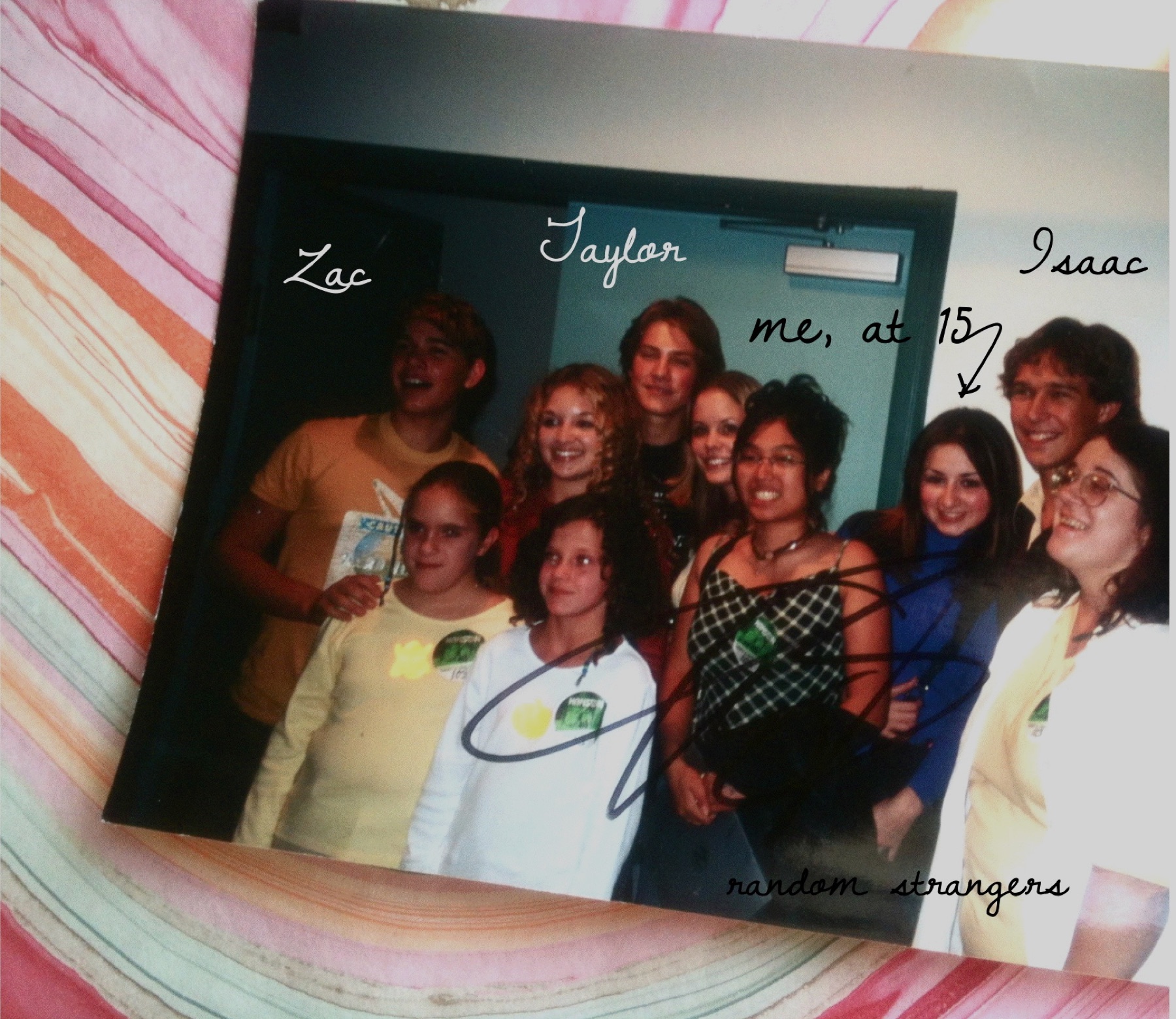
There was a day of school skipped, ten hours of waiting outside a backstage door, dramatic tears (it is possible–possible–that I created a scene large enough for a crowd to gather around me, but that is a story unto itself), and finally, the obtaining of a meet-and-greet pass.

So I did it. I did the everything will be better when! Taylor and I totally met and shared a two-second handshake, but for some reason, we failed to fall in love. I know, I don’t get it either. But I still carried that torch for quite some time, believing our love would bloom when the timing was right. I needed to. I needed to believe that I could be enveloped into a large, happy family and that everything would be better. It got me through the days that felt like they couldn’t be gotten through.
hanson

Eventually, I grew out of my Hanson obsession and into others, and Taylor married a different brown-eyed brunette he met backstage at a show. Every now and then I’ll see an article about their nineteenth baby and swallow down the slightest twinge of jealousy at what could have been…

But it ended up just being a fantasy, and I never was rescued. I did get myself into a good college though, and never returned home after that. I did those things on my own, with nary a Hanson brother in sight. I picked up other antidotes along the way, and I continue to have my fair share of everything will be better whens (house, baby, mysterious and unexpected large inheritance, etc).

But more and more as I get older, I find myself sitting in my apartment, safe from my past, looking at the (non-Hanson) man that I love, and reminding myself that everything is better now. And I know that somehow, in some weird way, my Hanson love helped me get here.
lcb headshot
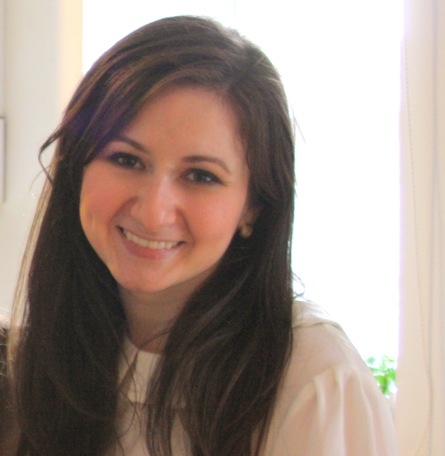
Lauren is a lifelong Chicagoan transitioning out of the stressful world of teaching and trying to figure out the rest from there. Her writing on rebuild (health & home) is a blend of experiences with anxiety and depression, adventures in home decorating, and using wellness and design to build the kind of life she’s tired of waiting for.

Writing is craft

When I started the guest post series, I had no idea there’d be so many people interested in contributing! There are still lots of talented guest writers to look forward to in February. After this month, I will continue to share the talent with you, but on a more scaled-back level. But right now, please welcome the lovely Madeleine Forbes.

guest post series

writing

I’m in the mountains of Portugal, the Serra da Estrela. The farm is basic, we have no heating or electricity, water comes from a pipe in the rock. I have drunk coffee that morning and gone for a walk. Crouching in the dew, the morning mist dampens the pages of the cloth bound notebook my brother gave me. I write what I know in that moment.

A cool morning but no rain. Blue sky and the sun piercing cotton wool clouds above the mountain. It’s the last Sunday of 2012 and all is quiet except for the rushing of the river. Already I am losing track, already I had to count on my fingers to work out the date.

The first things I ever wrote were on paper, stories I illustrated laboriously in a quiet corner of the classroom, secrets recorded in salvaged notebooks, journals wept over, burned and ripped. Now I scribble fragments on the back of receipts and train tickets. I gather them online because I’ve found as words are written, they become polished, like river stones. Sentences untangle and flow in different ways. It’s a kind of processing, refining. Trouble is, onscreen they grow slippery, are too easily flushed away.

Offscreen, the words we write exist beyond their meaning. They mark, they stain. Sheets of paper stack up and fold. Mistakes are crossed out, torn through, filled in. Sometimes it’s easier just to leave them as they are. There is no delete, no cut-and paste. I like the way Tammy Strobel puts it.

“I’m on the computer too much and there is something freeing about putting pen to paper. I’m also less likely to edit while I write. I just keep the pen moving across the page.”

At the same time it’s lighter somehow, on paper. The things I use a pen for: shopping lists, fridge notes, directions. Ephemera, not to be kept. It’s exciting to step off the grid and make marks, to write messages only you will see. It’s how I started writing a book, because away from the screen it didn’t feel like work, it felt like imagination, like play.

Doesn’t matter how you do it. Write in a cheap crappy notebook like Natalie Goldberg, because “you feel that you can fill it quickly and afford another”, or write in a luscious Moleskine with a fountain pen.

Write whatever you can smell and taste and touch and hear, what you see when you step up away from the brightness and look around. Write down that weird dream you keep having in the minutes just after you first wake up, the thought that scares you, the thing you would never admit to anyone, something that only you remember. You can burn it if you want. Write neatly and admire your work, write badly, cross it out. It’s only paper.

“I pay more attention to each word and sentence because they take so much longer to create. I am more aware of the music and rhythm of it, because I have slowed down to such an extent that each sentence sounds and echoes in my head as I write it.”

– Andrea Eames

With a scrap of paper and a pen, you can capture moments out of the air, like magic. Go back to it once in a while, when things get stuck, when you need to walk somewhere, to hold your head up, when things are stuck. A word or two is enough. It’s a good habit for a New Year, it takes no time at all, and it’s free.

You never know where it might take you.

Madeleine Forbes
Madeleine is a writer, cyclist and aspiring beekeeper currently living in Cambridge, England. She posts rambles, musings and meditations sporadically at madeleineforbes.
wordpress.com, which often start life as scribbles on scraps of paper she finds at the bottom of her bag. She is currently working on her first novel.


photo credit: pedrosimoes7 via photopin cc

Why you need to set boundaries before you can do the work

Continuing with my guest post series, meet Lauren Caselli, the freelance writer and blogger behind Living Life Barefoot. Lauren gives some insightful advice about what it really takes to get your career moving forward.

guest post series

So you’re a college student. Or a writer. Or a designer. Or a stand-up comedian. Or someone who is an independent thinker that wants to make a big change in your career. You want to work for yourself. Or someone else. But not the someone else that you’re currently working for.

When I began entertaining the idea of making a big change (working for myself as a writer), I already had a full-time job. Like so many of you who also have dreamt of middle-finger-ing the Man (that sounds weird, but I’m going with it), I was stifled creatively at my day job and I thought I had the writing skills, dedication, and savvy to make an online business happen.

I scoured the internet, followed heaps of successfully professional bloggers, and read more “How To Work For Yourself” posts than are good for any one person to read. This research led me to believe that my startup life would be this seamlessly flowing current, 40-hour-a-week corporate job melding effortlessly into 40-hour-a-week freelance writing job. I’d switch from pantsuits to leggings, French braid to messy side ponytail, coffee to herbal tea.

But you know what no one tells you? That it can be really, really hard to get started. And no matter how many “10 Steps to Your Dream Life” posts your read? You still have a responsibility to yourself to set yourself up for success so that you can do. the. damn. work.

Freelance Reality
I think one of the harshest realities that I realized when I decided to work for myself was that my social life was going to have to suffer.

When I moved to Manhattan after college at 22, my life went something like this:

• Wake up. Make breakfast. Shower. Read the internet.
• Commute 30-45 minutes to work carrying gym clothes, change of shoes, rain gear.
• Work somewhere in the neighborhood of 8-12 hours.
• Leave work. Commute 20 minutes to the gym.
• Workout for 60 – 90 minutes.
• Shower (#2 of the day).
• Go to a lecture/meet a friend for dinner/get drinks at the bar/go see a show/attend a charity event/run a volunteer meeting.
• Go home.
• Eat something/pass out in bed. Maybe blog, but more often, not.

My weekends were filled with running clubs, brunch dates, outdoor adventures or weekend getaways. Sometimes, I’d fly to San Francisco for the weekend. I traveled to Aruba 4 times in 2009. I added 8 new stamps to my passport in 2010.

And this is how my life was, consistently, for five. solid. years.

Why am I telling you this? Certainly not to make you jealous, or to say “Look at all the things I’ve done! Look how great my life was with a corporate job and lots of free time and so much money!”

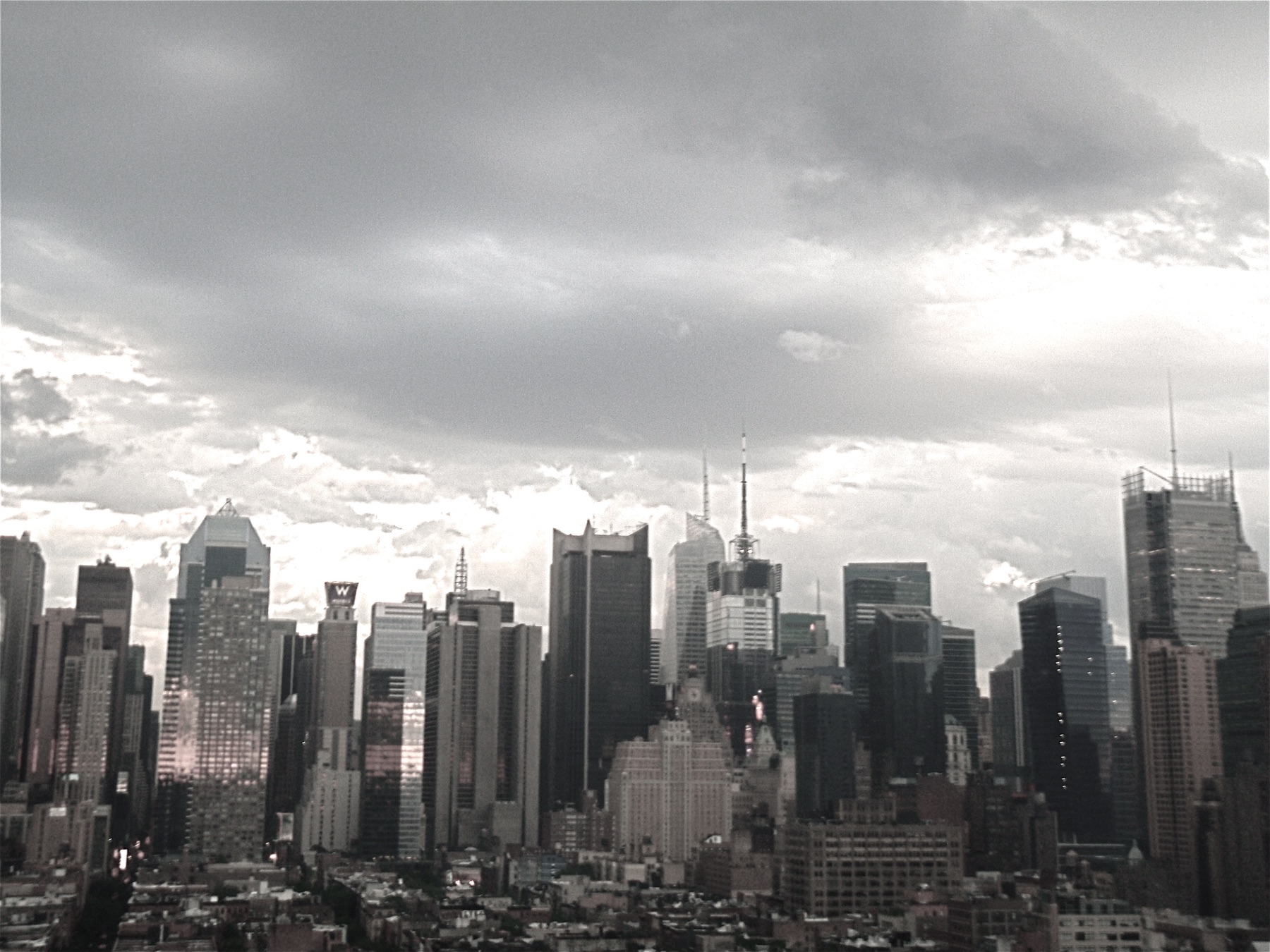
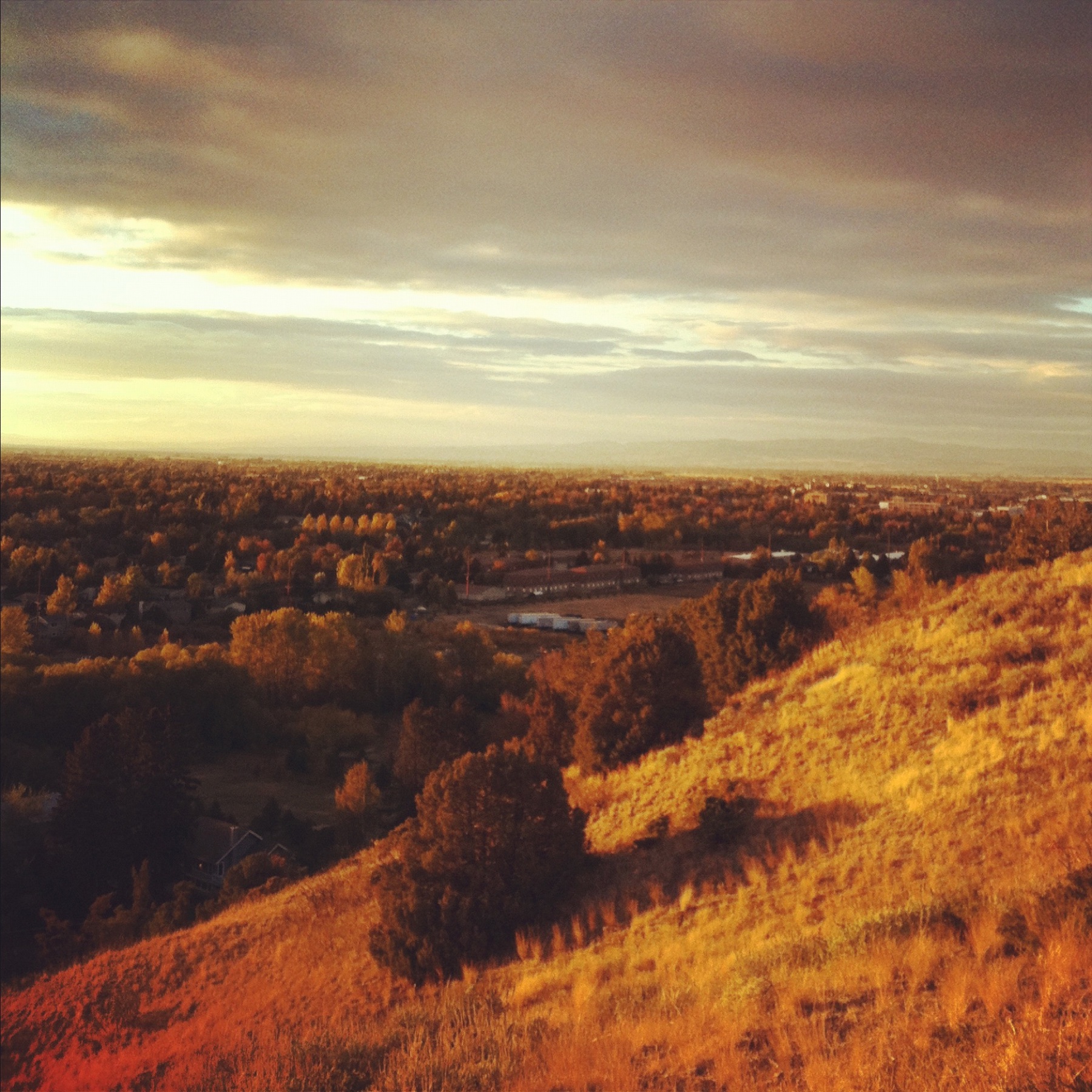
The point is, instead of finding a way out of the “meh” job that I held, I filled my life with other things that made me happier. It probably wouldn’t have been a bad way to continue except I was still feeling stifled and creatively shackled. So I made the decision to leave for good, to travel for a bit, to explore a new career path, and finally, to settle in Montana, a place free of distraction (save the occasional ski day) where I felt like I could focus. It was my very own Walden Pond. And it was the first step in setting myself up.

Except after five years of building a social life so full and vibrant, I didn’t know how to…well, not have that. I moved to Montana and went back to my old social habits. I went out with friends four nights a week, I attended potlucks and free cultural events. I went to yoga a few times a day so that I could simply be around people instead of alone in my house, facing a mountain of networking challenges and business building hurdles. In fairness, I was likely subconsciously clinging to something that felt safe in a new place where very little was familiar.

Boundary Setting
The truth was, I didn’t actually know how to work hard anymore. From my corporate job, I knew how to work until my job was done, and then I could turn my brain off and enjoy my life again.

But that’s not really how it is when you work for yourself or if you’re trying to find a new job. Your brain is always on, scrolling your To Do list, reminding you what still has to get done before bedtime. And more often than not, at least in the beginning, your brain isn’t reminding you to go to trivia on a Wednesday. It is reminding you to blog, pitch, rewrite your resume, create, design, brainstorm, email, follow up. It’s reminding you that you are the only one that’s going to get any of this done. It’s reminding you that you really need to try.

I needed to set myself up with boundaries and guidelines and sacrifices I was okay with so that I could get my work done. I had to quit the social scene. Not forever, but for a little while. Sometimes, just setting those boundaries is half the battle.

If you’re struggling to get started, or to find a job that you love, or make some real-deal progress in your career, here are some situations you may need to identify and work on eliminating:

• A negative relationship, whether with a significant other, or a parent or someone else who’s holding you back
• A negative job in favor of another (maybe not perfect but less emotionally draining) one
• Trolling the internet for validation, a “quick and easy way,” or “10 Ways to…”
• Making another huge life change because it seems “safer” (getting married, moving, finding a boyfriend/girlfriend)
• Feeling like you really want something else (like a relationship or living closer to your family)
• Feeling like you need to cultivate your town’s social scene every night or else you will devolve into a pit of anonymity and despair

You want to work for yourself, or actually find work that you love? Set yourself up so that you can. Eliminate (or at least minimize) whatever is distracting you so that you can single-task. So that you can organize and get some shit done. I’m not going to sit here and tell you to take a break for your sanity because, well, sometimes you need to be a little insane to do this self-employment thing, to live a life of which you are truly proud. And besides, you know when you need to take a break. You don’t need me to tell you.

What distractions do you find yourself keep you from doing your work? Have any of you imposed boundaries so that you can get your work done? If so, what are they?

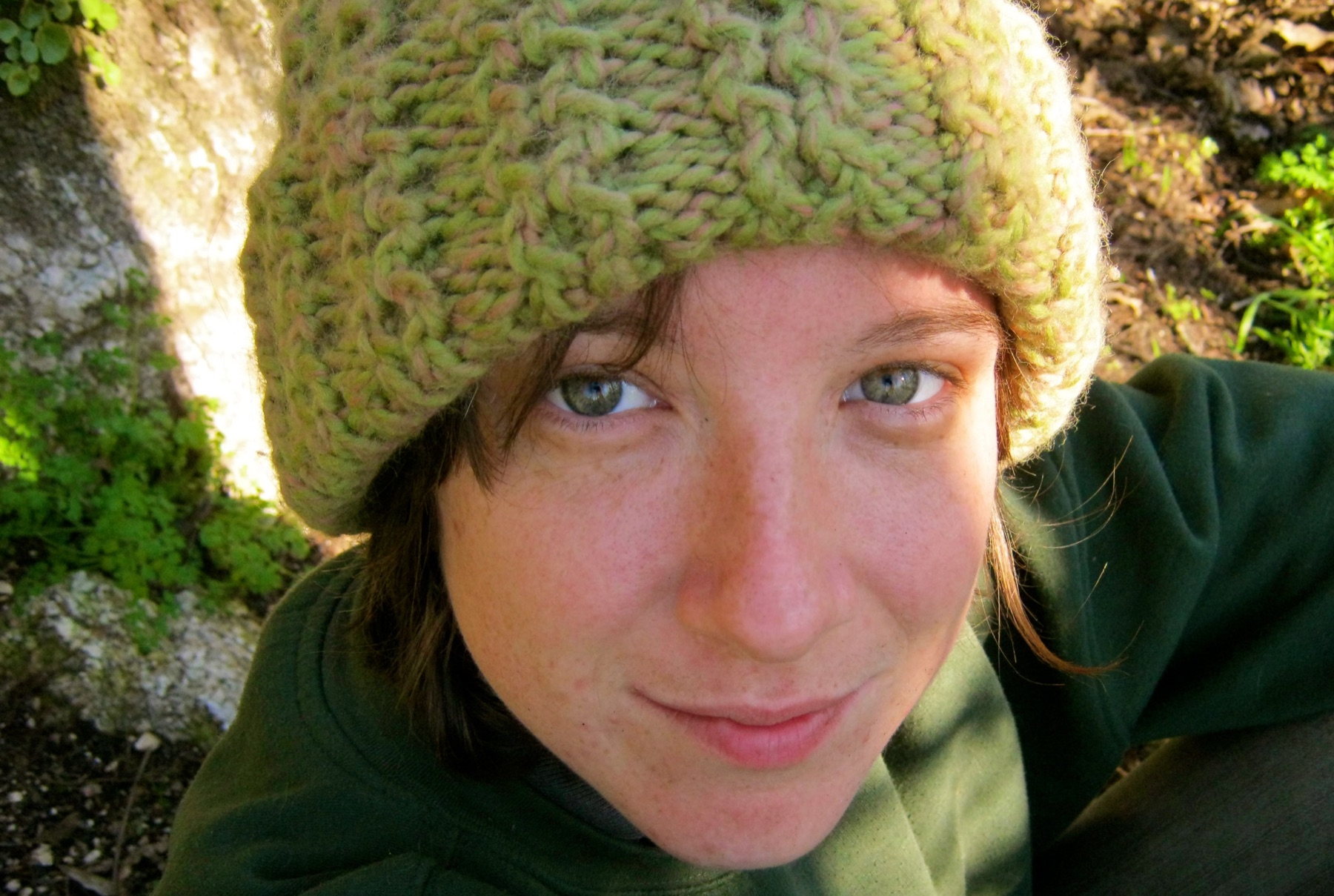
Lauren CaselliLauren Caselli is a copywriter + content marketer. A Manhattan desk-jockey-turned-outdoor-junkie, she left her NYC apartment for the wide open valleys of Montana. A former fancy-pants party planner, she now works with small businesses to create sexy web copy, teaches yoga to + spends entirely too much time reading the internet. You can find her at her blog, Living Life Barefoot, or her website.