The “Lucky” Ones – An interview with farmer-artist McKenzie Ditter

More special redesign-related posts are coming your way soon, but right now, here’s an interview that I’ve been looking forward to for a long time. Meet my good friend McKenzie… and her adorable farmy animals.
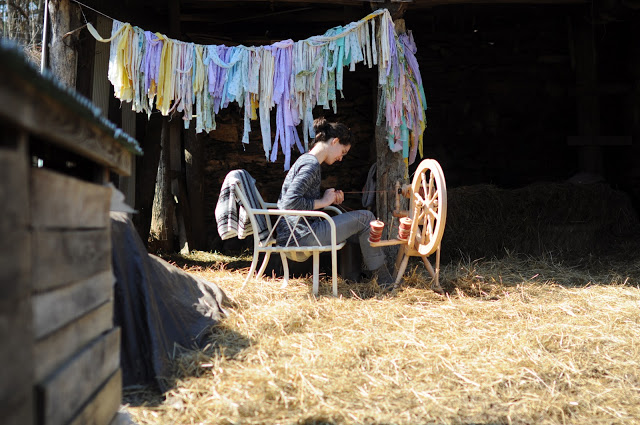
McKenzie

If you know McKenzie Goetz (and I do!), then chances are you’ve been welcomed to her home countless times and were treated to whatever home-cooked meal was in season. (And it was freaking amazing.) Then, you probably not-so-casually asked if you could go hang out with her eight sheep, 24 chickens, and two aplacas—the latter of whom are aptly named Oliver and Abraham.

McKenzie and her husband Jamie are not your typical 20-somethings. Though they consider themselves new to farming, these homesteaders have dedicated their lives to building a foundation that they hope will allow them to support themselves completely off their land. And it’s been hard work. Car troubles, living without heat, and Jamie’s nearly life-threatening wrist break and subsequent infection have been true tests of their will. But they’ve also had a lot of success to keep them motivated. The satisfaction of self-sufficiency is the greatest reward, and McKenzie’s art and blog (named after Oliver and Abraham) have helped them support their endeavor. Another fun fact—their wedding photos from last June went viral on the Internet and landed on Rock ‘n’ Roll Bride, the Etsy blog, and the Free People blog to name a few.

Now say hello to my wonderful friend, McKenzie!

Maintaining a farm and growing a business on top of a day job must make for a busy schedule. What does your daily routine look like?

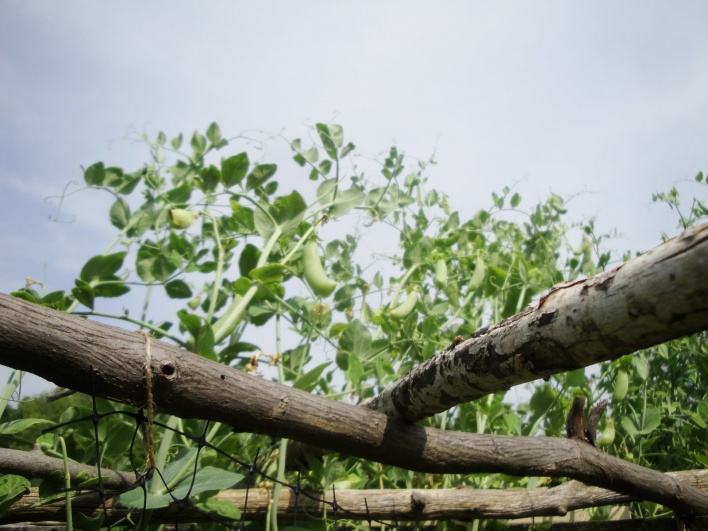
My alarm goes off at 6:40am on weekdays, and I’m up by 7. I get dressed, go outside to feed and water the sheep, let the chickens out, and breathe some fresh air. By the time I come back inside I’m much more awake and prepare myself some breakfast. Right now I’m on a plain yogurt-maple syrup-muesli kick, but I switch it up with oatmeal sometimes. For having eggs out the wazoo, I certainly don’t eat them enough… they make me queasy in the morning. Then I’m off to work at 7:45, usually eating said breakfast in the car. I work at a Montessori preschool from 8-1, and when I come home I feed the animals again. When the grass is dormant I leave them in their barnyard and we feed grain and hay. During the rest of the year, we use a portable electric fence that’s powered by solar energy. For those who are curious,  a good deer fence will be 6-10 ft tall. It needs to be that tall cause they can jump so high! You don’t want to be feeding the wild animals right?We mow the pasture that way, and don’t feed hay anymore. We only feed them grain when we move them from one spot to the other, or if we have nursing mamas. Anyway, after feeding (or moving the fence) I come in and take about an hour break to eat lunch and waste time on the interwebz. Then I get down to business. I divide my time between spinning yarn, drawing, filling custom orders for my shop, and blogging. Somewhere in there I clean the house, make food, and tend to the garden. I think the turning point for me was when I decided to treat my time at home as a disciplined “second job.” I’m still guilty of checking my email way too much though. Working on that part…

Why did you decide to become farmers and raise animals?

It was a leap of faith. I’d just graduated from high school, moved out, dropped out of my second semester of college, and my new roommate (now husband) moved in. Once we realized we had the hots for each other, we took one look at our 2.5 acre backyard and decided to grow our own vegetables to “beat the system!” Back then we were on the cusp of the 2008 market crash and things looked pretty grim. Our thought was that if we could provide our own food when the shit hit the fan, so to speak, we’d survive. We still have that idea in the back of our minds, but it’s turned into much more than that. We got alpacas and sheep and chickens and honeybees, we moved several times, we faced hardship that we never imagined possible. But it’s all been worth it because there’s a resurgence of young farmers in America, and we’re proud to be a part of that. Preserving biodiversity and caring for soil is something I never thought about before having a garden. Back when we only had a garden, I watched so many documentaries. The World According to Monsanto and Food Inc. are the most memorable and life altering. So many people are starting to wake up to these issues and are buying local or organic these days. It’s all about community and ethical eating. The future is much more promising than it was just five years ago!
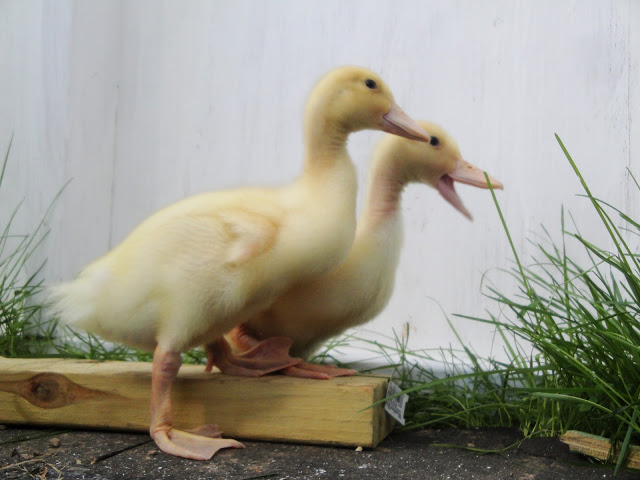
babies!

What are the biggest challenges of being a farmer? Has there been a lot of trial and error as you gain more experience?

Land acquisition is a big issue for young farmers. Pretty much you either get lucky or you rent. Balancing time is also hard. It’s not easy to work at your day job and still have energy for working at home. We both work part time jobs and we struggle to pay the bills. I have faith that this will get easier as we become more firmly rooted, but we’ve had a rough start and I know we’re not alone. We’ve really come to learn a lot about wants vs. needs since making the conscious choice to be farmers, and yes, there has been a lot of trial and error. Thank GOD for the internet, but nothing comes close to befriending real-life farming mentors.

In those tough moments—emotional or physical—do you ever question whether the hard labor is worth it?

Over a year ago, my husband Jamie broke his wrist, had surgery, got an infection, and was on IV antibiotics for months. He’s still not 100% and it’s a challenge seeing him not have the same physical or emotional strength as I know he wants. The workload on the farm became my sole responsibility for a long time. There were moments when we questioned if we should just give up, but imagining a life without our alpacas and sheep was just heart-wrenching. We asked the question, “why us?!” more times than I can count. Yes, we’ve made some stupid choices in life and we’re not perfect, but on a whole we’ve always tried really hard to live with morals. It’s been a tumultuous year in ways I can’t even explain, but we’re at the point now where we would like to think that Karma balances herself out in the end. I guess it’s the only way to feel less distraught about hardship.
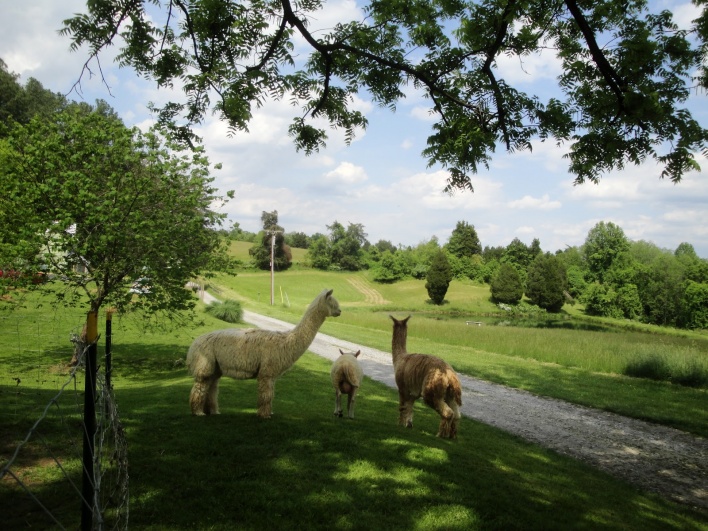
Oliver & Abraham

You’re often told that you lead a very “different” or alternative lifestyle—what’s your reaction to that? Is it accurate?

At first, the people who told me that were being very understandably judgmental. My family disapproved and thought it wiser to continue with college. I didn’t want to get caught up in a load of debt though, and I knew my personality was not such that I’d squander away my talent. I’m strong-willed (or stubborn) and farming just felt right. I don’t regret it.

Do people have any other misconceptions about what you do? Why do you think people jump to such conclusions?

Sometimes people think I get way more done than I actually do. But the truth is, I just make choices about what gets done and what doesn’t. Sometimes the laundry goes unfolded until it’s ready to be washed again. Sometimes the dishes sit in the sink for days and my dirty oatmeal bowl gets forgotten in the car for a week. Sometimes my hair goes unwashed. Sometimes I cheat and buy boxed mac & cheese and cheesy poofs. I think people jump to these conclusions because they have insecurities about how they spend their own time. It’s really easy in the blog world to read about someone’s life and assume that they “do it all” and then the self-loathing starts… and then the outwardly reflected judgement. But the vast truth is that we’re all quite imperfect and that’s okay.
Do you hope/plan to always be a farmer? What do you envision for your farm and family in the coming years?

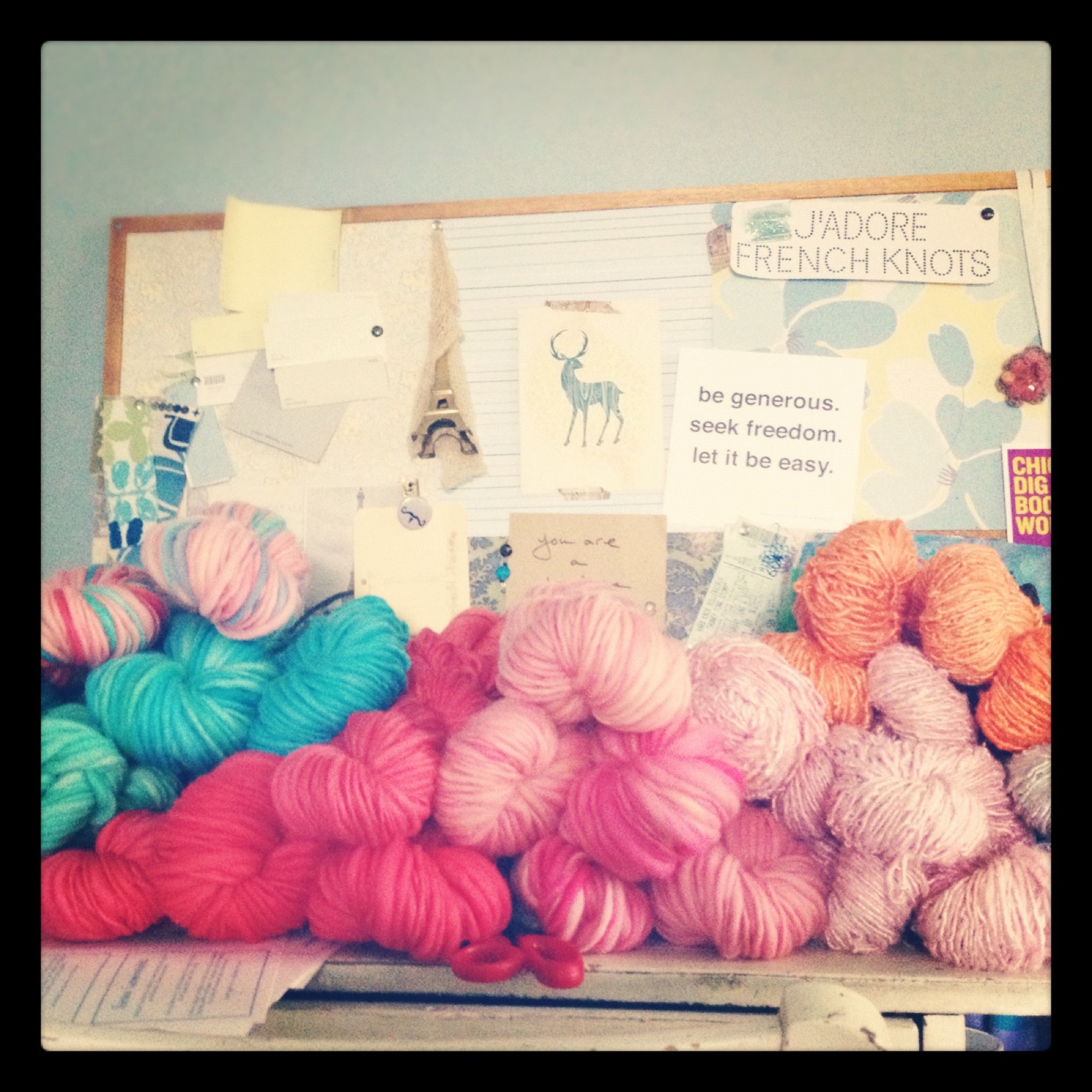
Yes. Jamie wants to start growing edible mushrooms this year and make a good portion of our income that way. I want to expand my shop to sell my handspun yarn, and I also want to start a fiber co-op for our local knitting community. We plan on getting a market booth for the first time this year, and eventually we want to have a couple dairy goats for milk. Someday we want to have a little tribe of children and homeschool them on our farm. It would be nice to own land, but we’re not heart-set on having that happen.

You’ve established your blog in a very distinct niche. How has documenting your life and finding like-minded bloggers inspired and motivated you?

It’s been wonderful feeling connected to other people who are going through the same hardships. I’ve met some amazing friends through my blog, one of whom I talk to on a daily basis now. It’s pretty awesome. I also organized a “Farmy Pen-Pals” group on my blog this year and connected 20 women all over the world. I like the idea of encouraging people to take a relationship off the internet and growing it at a slower, more deliberate pace.
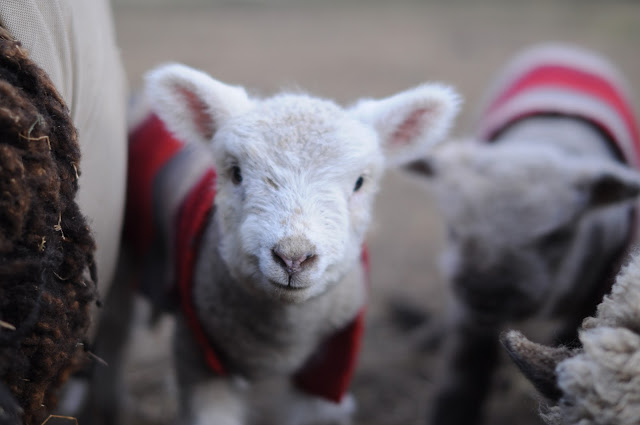
MOAR BABIES

What are some of your favorite books?

Secrets of the Soil
100 Years of Solitude
Spiritual Midwifery
The Encyclopedia of Country Living
The Dirty Life
Reading Lolita in Tehran

What advice would you give to others seeking a more self-sustaining lifestyle?
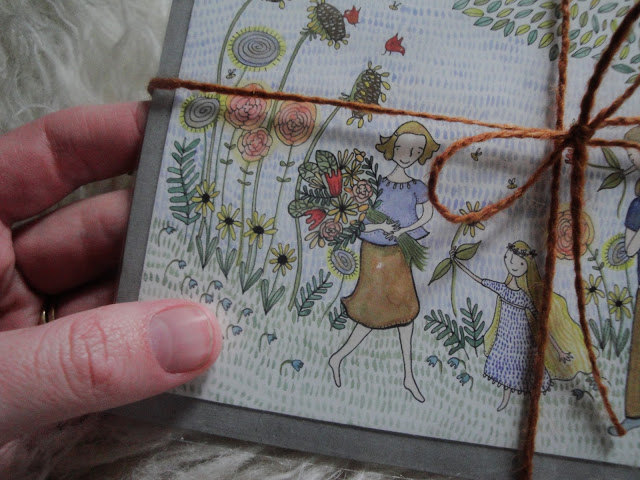
McKenzie's art

What is the most important lesson you’ve learned over the past few years of farming?

My friend Meg who blogs at Brooklyn Homesteader recently wrote, “farming is heavy, beautiful and one of the few opportunities man has to witness the absolute truth of existence, which is to say, that we are totally entwined in everything and everything is totally entwined in us. It’s hard to feel alone in the world with that understanding.” That’s it in a nutshell.

Thanks, McKenzie, for your story and your friendship. If you enjoyed McKenzie’s interview, let her know in the comments! And an added bonus: get 25% off all prints, cards, and originals from McKenzie’s Etsy store with the code WTH25, and feel good knowing you are directly supporting her and Jamie’s farm. 
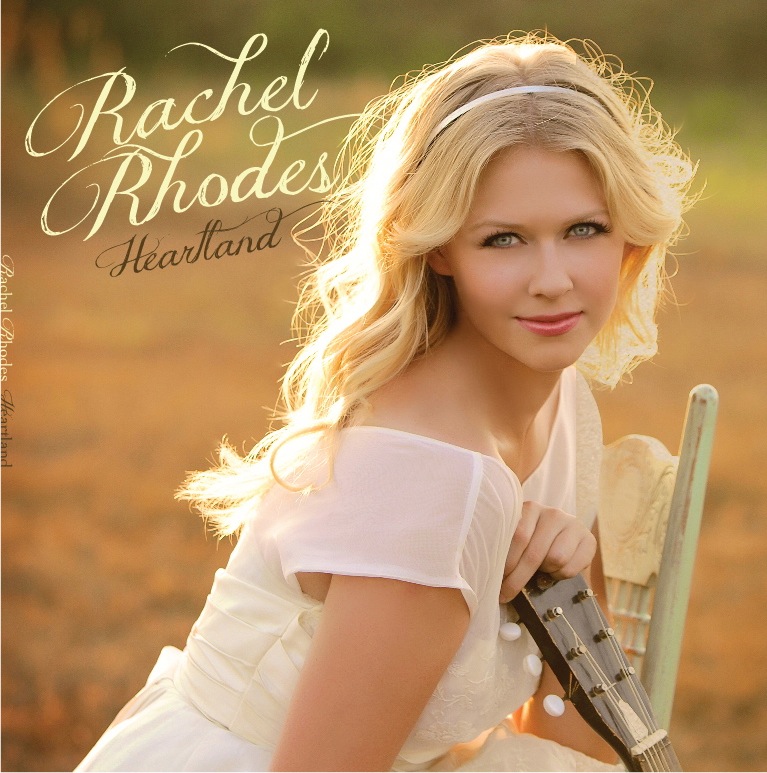
The “Lucky” Ones – An interview with budding country music star Rachel Rhodes

This week’s interviewee was suggested to me by the lovely miss Rachel over at Existation. I’m so glad Rachel introduced me to Rachel. (That’s a lot of Rachels.) You’ll see why—read on to hear her story.

Rachel Rhodes

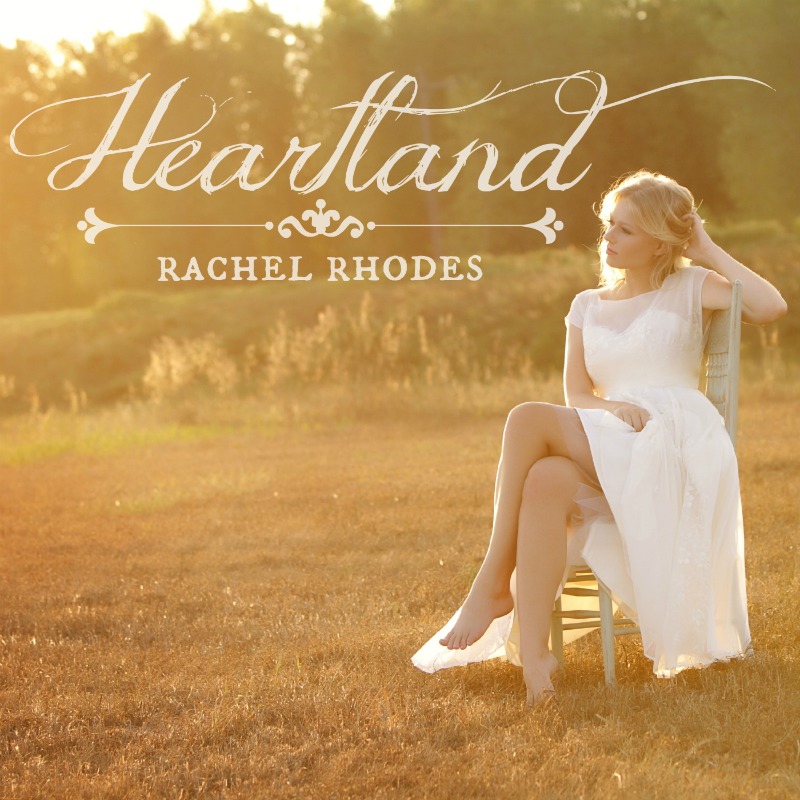
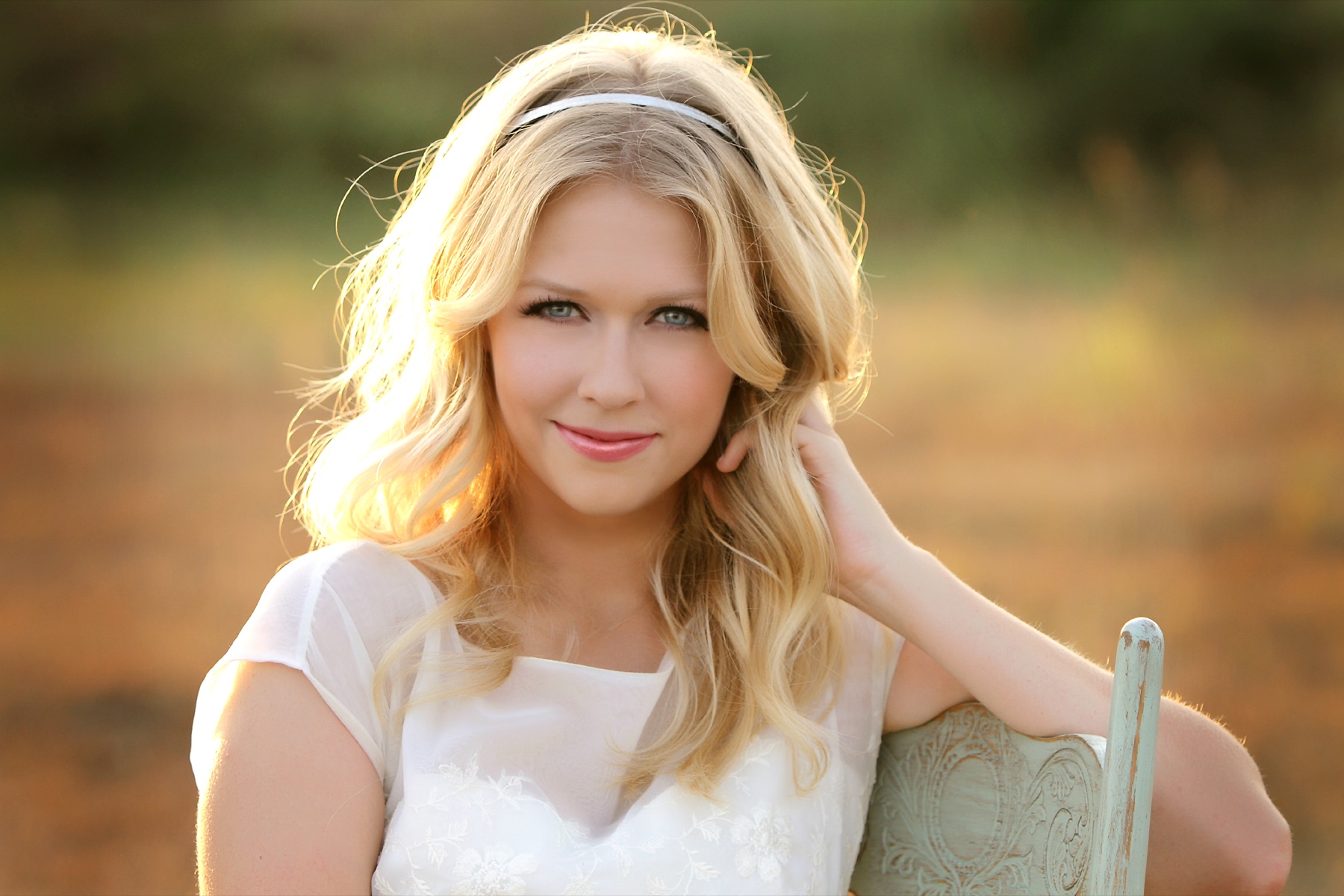
Rachel Rhodes does nothing halfway when it comes to pursuing her dreams. While the country music artist may seem like a Nashville native—what with a hot off the press Music Row-inspired EP under her belt and all—she’s actually a Midwestern small town girl. Growing up in northwest Iowa, Rachel trained as a classical singer, performing in operas both nationally and internationally. While she loved the art of operatic singing, it was country music that her heart gravitated toward most. So, wasting no time, Rachel packed up and moved to Nashville with her dog Dolly in tow. Within just a year of relocating, the 24-year-old wrote and recorded her debut EP alongside a notable producer and several talented musicians. Her labor of love, Heartland, was released just last month.

Aside from her passions for singing and songwriting, Rachel also plays the piano (and, as she modestly puts it, “a really terrible attempt” at guitar). She loves reading, bargain shopping, and exploring her new town. You can find Rachel and her music here, as well as on Facebook and Twitter.

Welcome, Rachel!

Where and when was your first public performance? Describe what that was like.

My first public performance was as a kindergartener, playing Gretl (the smallest girl) in The Sound of Music. I started out performing in musicals and choirs, because that was what was available. But I remember begging my parents to let me go to a music camp when I was a high school freshman, and they were shocked I had any interest. They actually kind of tried to persuade me out of it! And when I finally got to go, I was hooked on singing. It became pretty much my only interest.

When did you decide you wanted to pursue music as a career? Was your family supportive?

Honestly, I decided right away. I had never felt so passionate about something, and I’d never had something that made me stand out as talented. I was hooked immediately, and because I knew the music business was a one-in-a-million kind of dream career, I started as soon as possible to try and make it happen for me.

You started out as a classically trained operatic singer. What made you decide to go back to country music, and how did that classical experience prepare you for becoming a country singer and performer?

Sometimes people will ask me if I regret pursuing opera, now that I’m loving life in country music. The reality is that classical training teaches the building blocks of vocal production–exactly what is happening inside your body to make certain sounds. I’m so glad I got the opportunity to learn those lessons, because hopefully it will help me keep my voice healthy for the long run.

I chose to go back toward country because it felt like home. I’d stayed away from it for so long because I wanted to be different, and opera was about as different from my hometown roots as I could possibly get. And of course, once I did it, I really did love it. But when you’re an opera singer, you’re always going to be singing music that was written by someone else, and once I started writing my own music, I just couldn’t imagine going back.

album cover

What has living in Nashville been like since you moved? Has any part of the transition been difficult or unexpected?

I moved to Nashville with no furniture—just my dog and an air mattress. So the first month was pretty bare bones, but eventually the furniture came! Even though I was basically sleeping on the floor, I knew immediately that Nashville was where I was supposed to be. I LOVE this city! The thing about Nashville is that it’s a big city with so much to offer, but it also has a very small town feel to it. You’re constantly running into people you know, and everyone is so friendly! I’d actually never been to Nashville in my life before the day I showed up here, but it couldn’t be a more perfect fit. Guess I got lucky!

I’d imagine recording your first EP would be surreal. Can you explain what that process was like—both in terms of recording logistics and just the overall emotional, learning process?

It definitely was an interesting experience and process. At the beginning, it was terrifying to hand over any control to my producer, because when I’d written these songs, they sounded a certain way in my head, and I was SO scared they would end up nothing like that. My amazing producer, Eric Arjes, lovingly referred to me as a total control freak, but I was so blessed to work with a producer who understood exactly what my vision was for the album and then made it a reality. We had a blast in the studio and are so happy with the final product. Our goal was to make something that could compete (or at least not sound out of place) next to artists who spend millions recording a record. Our budget was TINY, but with a little bit of luck, we had A-list players agreeing to contribute to the album just because they believed in the music, and because of that, the album sounds like we spent WAY more than we did. I told you I love bargain shopping!

As a relative newcomer to the scene, what’s your take on the state of the music industry? Do you worry about potentially being taken advantage of as an artist?

You can only be taken advantage of if you allow it to happen. I think trust is something earned and built, and I also think it’s so important to educate yourself. Have trusted lawyers look over documents before you sign anything, and always go with your gut! Intuition is a very valuable tool, especially in this industry.

It’s hard even for established musicians to make a living off their art. How do you get by? Like so many others, do you also have a “day job”?

I definitely, definitely have a day job. Especially during the “making the album” phase (which was the busiest, most stressful time), I was always balancing my day job and my music. That being said, when I first moved here, I was offered a position that could have quickly grown into a full-time career with benefits and stability, and I didn’t think twice about turning it down. I know it sounds crazy, but I knew it would have taken away from what I came here to do, which was to make music and build a career doing what I love! And because of the opportunities and relationships that grew from my current (much less prestigious) day job, I was able to record an album that I’m so proud of. I can almost positively say that I would be nowhere near an album release if I had accepted that first job.

single

There’s no questioning your talent. But do you ever doubt pursuing a musical path? Will you always be a songwriter, even if for nothing other than the pure joy of it?

Nope! Honestly, there have been times that I WISHED I doubted pursuing a musical path, but it’s been tunnel vision all the way. I find it so extremely difficult to focus on things I’m not passionate about, and music has always been #1. I don’t think I could live a fully happy life pursuing any other career path.

What are some of your all-time favorite albums? Favorite books?

Well, I’ve always been a book worm. I will read almost anything, but my favorites are either Jane Austen novels, The Chronicles of Narnia by C.S. Lewis (childhood memories) or… Harry Potter. I’m a huuuuge Harry Potter nerd.

Musically, my taste is really eclectic. I listen to a lot of country music, and my favorite classical composer is Richard Strauss, but usually I’m listening to Lightning 100 Radio—lots of indie musicians. I also love Coldplay and always jam to Kanye West in the shower.

Has luck or persistence brought you to where you are now? Which do you think plays a bigger role in success?

Absolutely persistence! I can say without a doubt that I’ve never worked harder for anything than I have for this album. And there are so many behind-the-scenes type of things that went into it, which were things I’d never even thought about before. For example: Designing a website, designing album art, hiring studio musicians, choosing people to produce, mix and master the album, handling financial and legal aspects of creating a record, marketing, advertising, etc. It has been crazy! I’ve been so lucky to discover that I love the business and marketing aspects of being a musician as much as I enjoy the actual music-making.

I think we always get upset when things we plan for ourselves don’t work out. So when the original plans I’d carefully laid out for my life weren’t making me happy anymore, I was so frustrated and confused, but I knew there had to be a reason why. And when I got to Nashville, and it felt like home, and the album came together in less than six months due to the generosity and kindness of complete strangers and their belief in my music, that was a huge sign that changing the course of my entire life had absolutely been the right decision. I am so happy to have the opportunity to pursue my one-in-a-million dream, and I can’t wait to see what’s next!

The “Lucky” Ones – An interview with book-loving librarian Shannon McNeill

Anyone who appreciates books and the people who write them will love this interview with someone whose job it is to share them. Librarian Shannon McNeill is here to give you a little insight as to what it’s like in her world of books in this week’s interview.

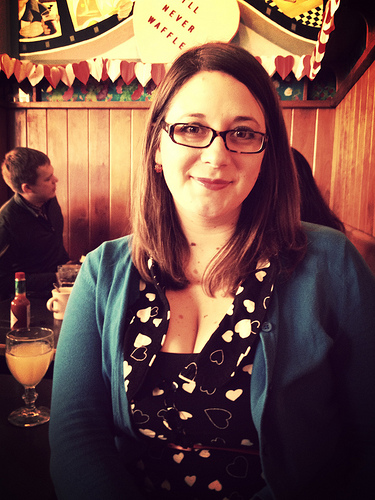
Shannon McNeill

Shannon McNeill had what Oprah calls an aha! moment. It happened like this: One day, she woke up and realized she wanted to be a librarian. But she started out as a teacher. After graduating college, Shannon taught preschool for a year, and later earned her certificate in English as a Foreign Language. With that, she spent a year in Greece and taught English—it was the best year of her life. It was after Shannon moved back home and spent three years teaching at a Montessori School when she had the realization that teaching wasn’t quite for her. When she decided to become a librarian, Shannon began volunteering at her local library, applied to get her Masters of Library and Information Science (MLIS), and landed a job almost immediately upon graduating.

Working as the Assistant Director in a small Pittsburgh library, Shannon maintains the book collection and purchases books for adults and children. She hosts and plans programs including children’s story times, the book club, and visits to local schools. This is clearly the fun part for her. The enthusiasm and energy Shannon brings to the job is infectious. You can find her on Twitter and at her blog, A Librarian’s Lists & Letters.

Welcome, Shannon!

Book lovers have this way of pinpointing exactly what it was that sparked an interest in reading—what was the catalyst for you?

I actually don’t remember a time in my life where I didn’t love books. My mother tells stories  of her walking me to the local library twice a day when I was younger. And though I don’t actually remember this happening, I vividly remember that library. I remember always reading and I kind of remember always knowing how to read. We always had books in our house, I always got books as presents, and the hardest decision growing up was choosing which book I was going to order from the Scholastic catalog on a very meager budget.

Did you always love spending time in the library growing up? What kinds of books and genres did you like to read?

I definitely loved spending time at the library when I was a very young girl. The first neighborhood I grew up in had a library just a block away from our house. But we moved when I was just about to start the first grade to a town without a library. I remember being crushed, but I learned to rely on my school library.

And when I was in middle and high school, I never used the library. I think it’s a time that most students fall out of the habit and I think something librarians are always trying to fix. In college, I only used the library for assignments, but I finally found my way back to libraries as a young adult. And when I did, it just fit.

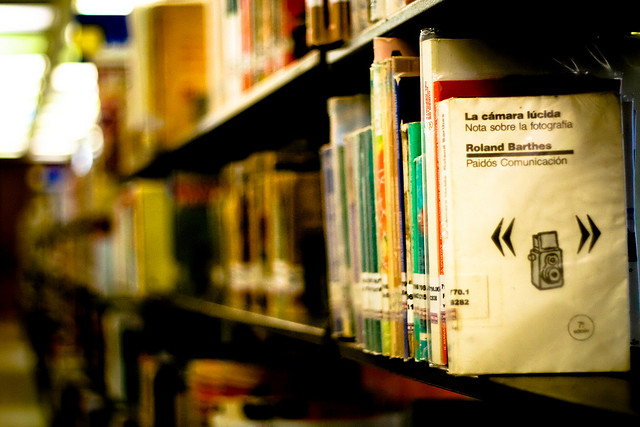
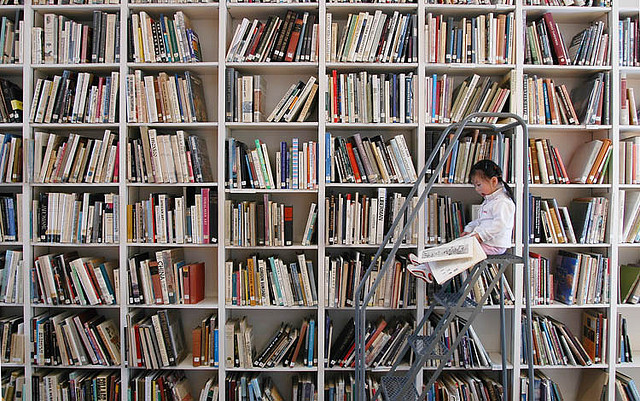
library

What is the library like where you work? Is it an integral part of the community, or is it something you have to actively work toward making sure it stays running?

My library is a medium-sized library in a suburb of Pittsburgh. Pittsburgh is a great place to be a librarian because we have a huge library system that allows all of these local neighborhood libraries to be connected through a consortium. You get the benefit of having a true community library that really allows you to become an important place in the community, but you get the benefit of a large system and endless books and resources.

Describe some of the day-to-day tasks you do as an Assistant Director. I’m particularly interested in the book purchasing process (how do you make your selections?) and program planning.

Because I work in a smaller library, my role as Assistant Director really means I do a little of everything. I host all of our story times, plan programs for children and adults, take care of tech questions, perform reader’s advisory and reference, and I share the ordering responsibilities with our Director.

In terms of making purchasing decisions, I always keep the patrons in mind. So much of what I order is best-selling material (authors like James Patterson and Janet Evanovich), but it’s also about finding interesting and informative material. One of my favorite things to do is find quirky reads, music, DVDs, etc. that I know other libraries might not have the budget to purchase. I’m always thinking about my own community first, but because we share materials with the greater Pittsburgh area, I find that material that has larger appeal is harder to find. It’s like a puzzle I’m creating and solving each month.

I don’t worry about censoring material because as long as I am following my library’s purchasing policies, the material that I buy will find its proper place within our collection. Instead, my biggest worry is always buget. Sometimes I want to buy ALL of the books, but have to scale back and weigh my priorities.

You seem to especially love planning programs for children. In what ways is interacting with these kids rewarding?

Well, I was a teacher for five years before I went back to school for my MLIS and became a librarian, so I have always enjoyed working with children. For me, the reward in working with children is just to see how excited they are about learning. Children just want soak up as much information as they can, and they have such a love of reading, it’s impossible not to find joy in hosting a storytime or other program.

Plus, how can you not love a bunch of preschoolers shouting your name and telling you how much they love the library? 

It may seem obvious to some, but why is instilling a love for reading in children so important? Have you witnessed any transformations (big or small) in the children you meet when they find a story that resonates with them?

Instilling a love of reading at an early age is a gateway to success. It gives children so much, including self-esteem and awareness. But really, it helps to make life-long learners. It’s the first step in showing children that they have a world of discovery out there and that they have the tools to figure it all out.

As for transformations, I think I see them every week. They are happening around us all of the time, and I’m just thankful that I get to play a part in helping children learn. It never stops warming my heart to have a child come running to me to talk about their newest favorite book, or to tell me about their latest achievement, or to ask me to choose something special for them. Those are all little transformations and if we don’t pay attention to them, we miss out.

What is your take on the hard copy vs. digital book debate? Is there any right or wrong way to enjoy a good book? And does technology affect the library system negatively?

There is absolutely no wrong way to enjoy a good book. If you are reading something that makes you happy, no matter the format, that’s what matters. I want to help people discover the books that speak to them, and if they read them on an eReader or on paper, it doesn’t really matter. Sure, the world of publishing is changing, but if anything, I think it’s made libraries more relevant. Chances are your library has free eBooks for you to borrow and my library even offers digital subscriptions to magazines. We’re the place people go to for questions about iPads and Kindles and everything in between. Librarians are tech-savvy. We manage to be on top of trends and respectful of traditional methods, too. Really, I don’t think there is much in terms of technology that a good library couldn’t tackle and for those reasons, I don’t think we’ll be disappearing into the dark anytime soon.

On a similar note, said e-readers, along with academic search engines, make it easy for readers and students to not have to make a trip to the library. Why is the brick-and-mortar “search engine” still needed?

The library is more than just a book depository. It houses informed professionals that can help locate things that even Google can’t manage to find. It’s a place where people can come for free education and entertainment. It’s a place where people go when they need someone to talk to. It’s a community center that hosts speakers and teaches skills. It’s a place to find employment help and someone to show you how to build a resume. It’s where you can send a fax, scan documents, and make copies all for very little money. It’s a place that lets you read newspapers and magazines for all day long for no cost. It’s a warm place to find shelter in the winter and a cool place to relax in the summer. It’s where anyone can go and not be judged for needing assistance. The library is more than just books and computers. It’s whatever is needed, for each unique person who walks in the door, each and every day.

library

Clearly you love your job, but are there aspects of it that are tough? Monotonous?

Of course, just like any job librarians have their rough days. I do love my job very much, but sometimes I am so busy it’s hard to come up for air and breathe. It’s not always dealing with demanding or rude patrons. I’ve been yelled at, cursed at, and I’ve even had tennis balls thrown at me. And on those days, of course the job is tough. But more often than not, people are good, caring, and kind and that makes up for the small amount of people who are unreasonable or hurtful.

Would you say that library work is your calling? Would you ever want to pursue other paths?

I woke up one day and knew that I was meant to be a librarian. I was feeling lost and lonely in my life, and something had to change, but it took me awhile before I realized that librarian was a profession that I could actually do. And since then, I haven’t looked back. At this point in my life, I am absolutely certain, with every fiber of my being, that I am supposed to be a librarian. Will I think the same in ten years? I don’t really know. I’ve learned that life doesn’t always happen the way you think it will and to just accept the way it may twist and turn. I’m just thankful that I am happy being a librarian now.

I ask every interviewee this question, but it’s especially fitting for you: What books would you recommend to others?

Oh, I always find this so hard to answer. A librarian takes her recommendations very seriously and knows that each reader is different so there can be no blanket answer. I always write a list of my most favorite books I read each year on my blog, and I keep a pretty extensive Goodreads record of what I’m reading, too.

But if you really want to know, I’m recommending Where’d You Go, Bernadette by Maria Semple to just about everyone these days. It’s snarky, witty satire at its finest. But it also has depth and and heart. A fantastic mother-daughter coming-of-age tale that not enough people are reading.

And for children? One of my all-time favorites is A Sick Day for Amos McGee by Philip C. Stead. It’s a Newbery winner and just an adorable tale of a sick zoo keeper and his animal friends. I’m also a huge fan of Jon Klassen. I’d highly recommend anything he’s written and/or illustrated for any level.


Thanks so much for sharing your insight and expertise, Shannon! It’s encouraging to read about your thriving library and the kids who relish in it. Have a question or compliment for Shannon? Leave it in the comments! For more of The “Lucky” Ones interview series, click here.

photo credit: annais via photopin cc and Ozyman via photopin cc

The “Lucky” Ones – An interview with personal finance whiz Sarah Greesonbach

Time for another edition of The “Lucky” Ones series, and you know what that means—it’s almost-but-not-quite the weekend! Last night was the Mobbies awards, and I had an awesome time meeting fellow bloggers and attempting to identify them based on my memory of their Twitter pictures. I also maaaaybe have good news to report back (spoiler alert: I WON!!), but I’ll save it for the recap that will come this weekend. Right now, I’ve got an excellent interview lined up. Meet personal finance blogger Sarah Greesonbach!

It should be noted that Sarah Greesonbach isn’t just a personal finance blogger. She also writes about life, love, careers, and design, among other things. But it’s her passion for smart money managing that sets her apart. Whether doling out advice on surviving unemployment or drinking on the cheap at Starbucks, Sarah’s expert tips make even the most adverse-to-budgeting willing to reconsider the daily to-go latte.

Before blogging, Sarah was an English teacher, and she’s currently pursuing ventures in young adult fiction. By day, she works as a quality of life support liaison for military families and finds just enough spare time in her busy schedule to read, exercise, and experiment with slow-cooking. 


And here she is!

Finance can be a very unsexy topic. How did your finance blogging get its start, and how do you keep the content fresh and relatable?

This is tricky, because some would argue that there’s no way for personal finance to be fresh and relatable because the basics are so basic: spend less, earn more. And the numbers involved could keep things pretty dry. But that’s kind of like saying we should stop talking about health because we all know about exercising and eating right. That doesn’t make it any easier!

I got started because I found myself with a lot of opinions and questions and I needed an outlet for it. There are so many permutations and perspectives of life and finance because everything is new the first time you experience it for yourself. So while I could read a book about a person clawing their way out of debt, I could also read a blog about it and write one of my own and all three would be original stories.

What keeps my content fresh and hopefully relatable is the attempt share my own personal story of debt, career, and relationships to make sure I’m not making any stupid mistakes.

Would you mind sharing some of your own financial ups and downs? How did they affect you on a more personal level?

I have been very, very lucky to have not felt the consequence of most of my bad decisions. I have a student loan and a car loan that I wish I had put more thought into, but I have also had gainful employment to pay for these things without severe financial discomfort.

The ups and downs (and the personal realizations) have been more about realizing the freedom I am missing out on by having these loans. For example, did you know that if you don’t have expenses you don’t need to earn an income? Like… if you had no car loan, student loan, rent bill, or property to insure, you could literally travel the world and freelance on a comparatively tiny sum of money? My college self did not know that, and so my late-20s self cannot do that. A good lesson to learn. If you want any kind of freedom, pay attention to your money.

Have you had to make any sacrifices along the way? Why is it important for anyone to be willing to do so?

I struggle with some serious workaholic/OCD problems, so if anything the only thing that feels like a sacrifice is to not be working, cleaning, or doing something productive. In that sense, I have made sacrifices in limiting the amount of work to do for my health. To stop working, put down the computer and relax and destress is something I struggle with (and fail with) daily, but I am getting better about it.

Apparently human beings were made to enjoy being alive, not work themselves to death. Who knew? And it stinks but it is so important to reach that breaking point where you find out what is too much — it helps you to realign your priorities and make sure you are working on the things that matter. For example: a perfectly-in-order bathroom and clean laundry? Not more important than spooning my husband.

Is achieving financial stability a matter of trial and error, or are there any fail-proof ways to lead a comfortable life?

I would like to think that the whole of society is accruing more and more information every century and that that information will be effectively organized and stored and lead to never making mistakes ever again…but yeah, that’s not happening. So it will always be a slightly educated trial and error. But the trick is that you can decide to be comfortable in the face of trial and error, it is a matter of what Rainer Maria Rilke says about “loving the unresolved question itself”. Because if you can be happy while you’re trying to figure things out, figuring things out will be the icing on the cake.

What are some of the most common indulgences you see other people buy into?

Stuff. Just stuff. We downgraded from a 4-bedroom house to a 2-bedroom apartment and I can’t even remember all the crap we used to own that we now make do without. I’m sure when we have kids we’ll need more, but it’s so refreshing to go home and just see things I need or want — no wondering where to put something or moving things to get to another thing. It also saves us money to not be constantly shopping for things to cover our home space with. Our decor isn’t utilitarian, by any stretch, but we’re slowly swapping out the unnecessities for necessities and really enjoying the process. It also takes me about two hours to do all of our laundry with a half-size washing machine. That makes me very happy.

What’s the best thing a young professional new to the working world can do for themselves in terms of money and establishing independence?

I failed financially for a long time because my goals were so unspecific. Even though I heard the “save, save, save” motto from my parents and friends, it never seemed real to me so I never really saved. But there are two quick ways to start caring a lot about money:

1 – Add up how much you have made in the past 3 years and compare it to your savings account. For example, as a teacher I made a little over a 100G in 2-3 years. It’s easy to think about blowing $50 on dinner or a few hundred on groceries, but when you look back on three years and say one hundred thousand dollars passed through my hands, and I have nothing to show for it, finances get really real really quickly.

2 – Set your first starter-goal to save up two pay checks. This is such a huge freedom-thing. No one should feel trapped in a job or so stressed about being fired or laid off that they have stress dreams. Find the number it would take for you and your spouse to leisurely job hunt for a month and save that amount. The day that we officially saved enough money to cover one paycheck was very emotional for me. The thought that I could get fired or laid off and — while it would suck and be stressful — we would literally be able to pay our bills and have food for a few weeks was an incredible feeling (and seems so simple and obvious now!).

You also blog on a number of other topics, like careers, relationships, and design. Explain your passion for these and how they all tie in together in your life and blog.

My guiding light has always been the hope that someone else out there has the same questions I have. Why some things are so easy for other people but so hard for me, or vice versa. So when it comes to ideas for writing, it’s a matter of what’s been on my mind lately – making friends and being a friend, having a successful career and choosing a professional direction, and then sometimes just struggles with blog design and social media. Even though these are random bits of life, the thing they have in common is me experiencing them and wondering about them.

How do you stay motivated to keep writing constantly on top of a demanding day job?

I am motivated by my desire to create meaningful and useful work.

After college, I went through a very long dry spell of putting everything I have into my career, leaving very little for myself or anything creative. So when my career as a teacher turned out to be toxic for me, it was a huge let down and I struggled for a long time to get back to feeling like myself.

Writing has been the only constant for me. When things were good or when things were bad, in the back of my mind I could hear all the professors and supportive people I’ve known saying write, write, write. And it’s true. A crappy poem or an illogical paragraph is embarrassing, but it’s something you have created and put into the world. Not to get all High Fidelity on you, but deciding to have a voice and be a part of the creative output is something I am very proud of and that I try to remind myself of daily. Now, hopefully after a while it will be good stuff you’re putting out. But even if it’s not, at the end of your work day you can look back and say I birthed that and it is mine. 

So, when I get home from a long day and a long commute of working for someone else, it’s a life-affirming and energizing practice to put my time into something that is for me and my loved ones. And it is a kind of stress release, too: when I get down about people who are having (what appears to be) crazier adventures than mine or making tons more money, I am able to have a certain amount of pride that I created something and that I am doing something special to me, too.

Describe your path to reaching your dream job. How can others do the same?

You would think it would be as simple as finding out what you like to do and finding a job that matches that description, but I learned the hard way that you won’t like doing anything very long if it is with the wrong people. So, my goal in life is to find my people—where are the people I want to be (and be with) hanging out and interacting? As a teacher, I was doing what I loved (talking about English and explaining things) but the people I was with all day hated English. It broke me down. So I am looking for that perfect combination of words and complementary people.

The best advice that has come my way was over on Brazen Life a few weeks ago where a writer suggested that finding the perfect job is much like finding the perfect spouse. And it makes so much sense — jobs are almost as different as people, so how could you possibly know anything about your dream job until you find it (or create it). So the way to be successful is to find a job that you share interests with and try it out. I think it is very common for the new generation to job hop 3-5 times before finding the right fit.

What do you love most about what you do?

After 28 years of living, all I know about myself is that I like communicating ideas through writing. Sometimes that’s personal finance writing, and sometimes it’s as simple as crafting the perfect (and I mean perfect!) email! So, in my current job I get to do a lot of emailing and coordinating, and that is very satisfying to me.

Are there any books you’d recommend to anyone looking for a way to improve their financial destiny?

How’s this for being cheeky: any book at all. Read instead of going out to dinner. Read instead of going shopping for fun. Read instead of paying $10 on a movie ticket, then talk to your friends about it over tea in your own house. This will improve your spiritual, emotional, and psychological destiny, and the savings will help with your finances, too.


Sarah, you rock! Thanks so much for being a part of The “Lucky” Ones series—you’ve got a great attitude. Like what Sarah has to say? Please let her know in the comments!

The “Lucky” Ones – An interview with businesswoman & empowerment guru Tara Swiger

Anyone who’s ever dreamed of leaving their day job, starting a business, and working from home is going to LOVE today’s interviewee. I met Tara Swiger via the glory of the Internet, and she’s here today to tell us about how she did all of the above.

After you read Tara’s awesome Q&A, please make sure you vote for Witty Title Here in the Mobbies! (Didya already vote? Thanks – you can vote again!)

Now, onto the good stuff!

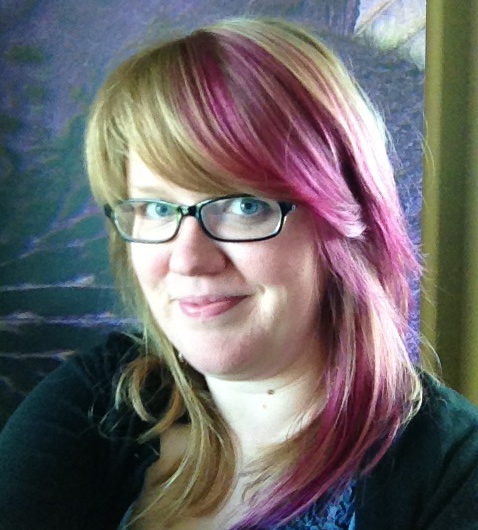
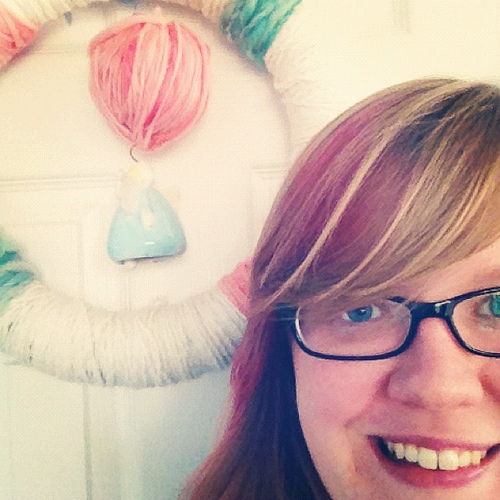
Tara Swiger is the kind of gal whose brain you’d want to pick. A French major turned yarn-maker, the pink-haired professional knows a thing or two about working on your own terms—and successfully. After a series of unsatisfying office jobs, Tara took matters into her own hands, left her job, and went full-time with her business. Curious as to how she made it happen, countless aspiring and struggling entrepreneurs came to Tara for guidance. That’s when she organized the Starship—a yearlong series of classes, goal-setting, and map-making to help members’ crafty businesses take flight. It was such a hit that it led to her first book.
 
Though she spends most of her days talking with and encouraging creative businesspeople, Tara doesn’t work the grind. That means weekends are totally off, along with a weekday here and there. This enviable schedule keeps her energized, and it gives Tara enough time to read 100 books in one year, bake cupcakes once a week, and explore the flavors of veganism.

Read on for some thoughtful insight from Tara!

More and more, it seems women in the blogging world are becoming successful businesspeople by selling their craft or art online. What do you think of this growing trend?

I actually think this trend is the other way around: women have always been making money by selling their art and craft (long before the internet!), but now they’re adapting in the blogging world. There have been people blogging about their craftyness since the very beginnings of blogs (there were already tons of large ones when I found knitting in 2004). But as blogs change, and the way we consume information changes, we have to change the way we approach our blog, especially if you want it to be an effective business tool. As my friend Diane says, blogging started as a personal medium but when you use it as a business tool, you have to think a little differently.

In working with creative businesses, I see a lot of the two extremes: blogs so about-the-person that you don’t have any idea what they sell (or their subject matter isn’t related to what they sell, so they aren’t attracting people who would be buyers), or blogs-so-businessy that it’s a constant pitch-fest. The balance is in finding what you need people to know about your product (in order to make it easy for them to buy) and in what they actually want to read about.

Of course, there are a zillion ways to blog and to have a business, and to mix the two together, and finding the perfect blend for you takes lots of experimenting. (I could go on… I wrote a whole workbook about finding this balance!)

What are some of the success stories you’ve had as a direct result of someone reading your book or becoming part of the Starship? How does it feel knowing you helped fuel that success?

Ooh, I’ve just started collecting these and they make me so so happy. The newest one is Ana, a yarn-maker and knitter who joined the Starship three months ago and has already reached her income goal. When she joined she said the goal felt completely vague and distant, but we helped her make a map and then she stayed accountable in the weekly chats…and in September she was there, at that big, unreachable goal! Now she’s so busy with orders we’re working on scaling up, and making sure she can keep in touch with the holiday orders when the season slows down in January and February.

I can’t even express how thrilled I am to watch other people define their own success and reach it. When I hear their “yays” (we have a weekly “yay time”), I just know I’m doing the exact right thing, even if I can’t explain it to my in-laws. 🙂

Has there been any trial and error with your own business? What methods did you attempt that fell flat or didn’t work out the way you thought they would?

Everything! I am constantly trying and error-ing! I don’t know that any method or tool has fallen flat all on its own, it’s always a combination of implementation, audience and timing. Usually, things don’t work as quickly as I think they will. If I give up on something after a few weeks, I don’t see any results (this includes everything from a new product to a new marketing channel to a new supplier). Giving something time, and then course correcting in little ways, can make just about anything work. The question is: Do I want it to work? Do I enjoy it? Is it worth the error time? For some things, yes! But for the things that are meh, I try to non-guiltily let them go.

Was it empowering leaving your former job? Describe how you felt in cubicle land and the decision-making process you went through to take that step to leave it behind.

Yes, it’s so very empowering to work for myself. The actual leaving-of-my-job was much more conflicted. I was miserable at my job, and I had been working on my yarn company for three years with the express intent of working for myself. So when the time came, it was as scary as trusting that your biggest dream really can come true.

But how it actually happened is more boring than all that. I set a goal for what I’d need to earn on a regular basis (super specifically, how much each week for how many weeks?), the number of wholesale accounts, and the amount of bills I’d pay off. And then my employer was going to lay off a big percentage of the workforce and offered a buyout. I had reached all my goals, so I applied for the buyout (instead of losing my job!) and… that was that. I was thrilled, but terrified.

Unfortunately, you dealt with a negative response from your coworkers when you announced you’d be leaving. Why do you suspect they wouldn’t talk to you? Were they jealous?

I think that they took my leaving personally, as if it reflected on the value of their own jobs. My bosses were completely sweet and kind, but it was all the other women who had my same title (basically: secretary) [who] seemed to believe that if I wanted something different (and better for me), they should too. I never was suited for office life (and black slacks every day), so I was surprised that they took it so hard.

What basics do your book and classes outline to ensure stamina and growth for fledgling business owners?

There are a few basic principles underlining everything I do:

.
  1. I write, talk and teach about discovering the wonders in your business. I’m not interested in finding the “right” way – only the way that’s right for you, your goals and your people. Your biz, no matter how new or old, is an entire world, filled with a culture, a people (your buyers), and adventures. Although there are some business basics that we all use, you get to use it in your own way, to build your own kind of business, exactly as you want it. Exploring your business means doing experiments to see what will work (and what won’t). There aren’t easy answers, only exciting adventures. (So everything, from the book to the classes is FILLED with apply-it-to-yourself worksheets.)
  2. One-size-fits-all doesn’t fit anyone. Experimentation is key. The business you want is different from the business I want. And that means that we each have to find our own way. Business takes time, and you’re not going to get everything right the first time (or you won’t know if you will right away, it takes time!). So you’ve got to be willing to try again and again. The Starship and classes provide support for this experimentation (along with ideas for other things to try, and ways to measure if it worked or not).
  3. Finding your own way can be lonely, so we do it together. Gentle accountability and realistic goal-setting (followed by do-able to-dos) are in every class, and a weekly part of the Starship.
  4. Comparison sucks. Compassion (especially for yourself) rules. Looking at what someone else has and trying to recreate it only leads to unhappiness, and it blocks you from seeing the amazingness that you really want, and the biz you can build. This is a hard thing to remember, so we talk about what that feels like, a lot.

Is your work rewarding? What do you love about it?

LOVE LOVE LOVE it! Really! My best days are the ones where I’m connecting – whether through teaching via video, or answering a question via email or meeting someone for a cup of coffee. That said, I’m an introvert, and I need lots and lots of quiet time to think and write and synthesize what I’m learning into something useful. I love that I can get a mix of both (and that I’m responsible for getting both!).

Does it ever become hard to support yourself financially, or have you ever felt like you were running out of steam?

Yes. Honestly, it’s hard every day! There is stuff I don’t want to do (bookkeeping!) and stuff that’s discouraging (just a few months ago my steady income was cut by more than 60%, when a long-time client had a budget crisis and another client finished the project we’d be working on, much earlier than expected). But that’s the risk. And as long as I keep looking forward, and coming up with new ideas, and thinking about what my people need and want, it works out.

To keep from running out of steam, I take WAY more time off than anyone I know! I’m offline (except for Instagram, but that’s just to take my photos!) all weekend, and I take a short day on either Thursday or Friday. And sometimes I take a whole weekday off, just to go out of town and see a friend and her new baby.

But because of my experiments, I know my business is better when I do! Every Monday, and every day after a short day, I just kill my to-do list. I’m inspired to write my best stuff. I’m more helpful and friendly and, well, smart!

How do you envision your own business growing? Could you ever see yourself switching it up entirely down the road?

I dream about switching it up all the time. Sometimes I think I’ll write another book, other times I think I’ll stop talking about business-y help altogether and just make stuff and sell it in a new tiny Etsy shop.

But then I get an email from a Starship captain that just made more last month than ever before… and I know I’m doing the exact right thing for right now.

Have you made a lot of friends and connections through your work?

Absolutely! Everything from co-teachers to collaborators to students and readers. I love ’em all!

Where does your book leave off its readers? Feeling challenged, empowered, a little bit of both?

At the end of the book, you’ll have a clear idea of what you offer (and what’s unique about that), who you’re selling it to, and how to reach them. And you’ll have a marketing plan so you actually do all the long-term connecting and communication involved in building healthy relationships with your people!

What are some books (other than your own, of course) that you would recommend to blossoming business owners?

I always recommend Kari Chapin‘s books. If you don’t know anything about how you’d start selling your handmade goods, check out Handmade Marketplace. And if you’re just starting your store, check out her new book, Grow your Handmade Business. Whereas my book is for the already-selling maker who wants to reach more people, Kari’s books tell you all the technical stuff about setting up your shop for the first time.

I love Boss of You. It’s the book that helped me most when I was transitioning from selling a little to selling a lot – all the inside stuff of the business, the admin and day-to-day stuff.


Thanks so much for chatting with me, Tara! You have such an inspiring story. Have any questions for Tara, or didya just like what she had to say? Let her know in the comments!