After last night’s birthday celebration, I’m in slight hangover mode. Not from the wine, though there was plenty of that. It was the four pizzas that put me in a coma. Luckily, I’ve got a great interview lined up for today so I can catch up on my sleeps. (I require more rest in my older age, after all.) Meet the lovely, intelligent, theatric Joanna Syiek!

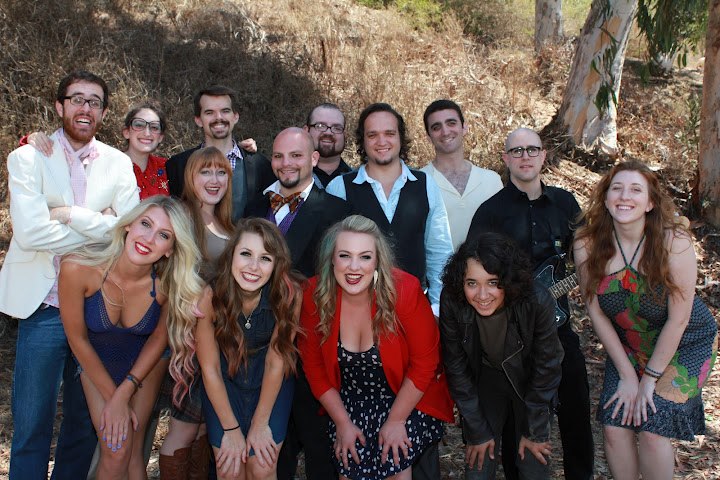
Though she grew up on the East Coast, Joanna Syiek has established deep roots out west. In 2009, she founded the Color and Light Theatre Ensemble, a theatre initiative based in L.A., while simultaneously working toward her degree in Global Studies at UCLA. The self-proclaimed music junkie directs the troupe in performances throughout Southern California and writes for the troupe’s blog. (Editor’s note: Recommended posts here and here.)
Both passionate and wise, Joanna believe in the power of performance and the beauty of life’s idiosyncrasies. Some of Joanna’s other interest include yoga, rollercoasters, and Indian food. The next thrill-seeking adventure on her list? Skydiving.
Welcome, Joanna!
I’m immediately intrigued by anyone who grew up on one coast and moved to another. What’s the story behind your big move?
I spent most of my childhood in Massachusetts, so I have some pretty hardcore nostalgia around this time of year when the East Coast starts getting its seasons. My family and I moved when I was in my pre-teens to sunny California because my father was starting a new business opportunity out on the West Coast. I remember being thrilled with the idea of a big change and spending my first few months marveling over the fact that I could go swimming outside in November without freezing to death. Nowadays, my tolerance for weather has diminished, sadly, and I have trouble braving the cold like I once could. But turns out that SoCal is fantastic, so I’m happy I have both extremes under my belt now.
What led you to found Color and Light Theatre Ensemble? Who did you collaborate with to make it a reality?
Theatre had always been a big part of my life growing up, so it seemed like a natural extension of my interests to found a group with which we could produce shows that illuminated something unspoken about daily life. I enjoy the escape of theatre, yes; but I think what I find most interesting about the medium is that it holds up a mirror to who we are and wish to be. It allows you to sink below the surface of the everyday and ask the questions that many of us get too busy to ask. Theatre wills us to be patient, to be engaged, to explore. A few of my best friends share a similar love of theatre-making, and it was with them that we set off on the first season of shows back in 2009.
The L.A. theatre scene must be filled to the brim with talent. What’s it like? Competitive, opportunities abound, nurturing?
You’re absolutely right about Los Angeles being a talent hub. And it has such a rich network of theatres big and small doing wonderful work. I think the scene here is, like most things in life, what you make of it.
If you want to view it as a difficult, competitive place to make art, you can. Or you can recognize that there is literally a theatre every mile or so offering opportunity after opportunity to create, take part in, or witness a good show. That said, it requires hard work to make theatre in L.A.
What kind of productions does C&L put on, and in what sort of venues?
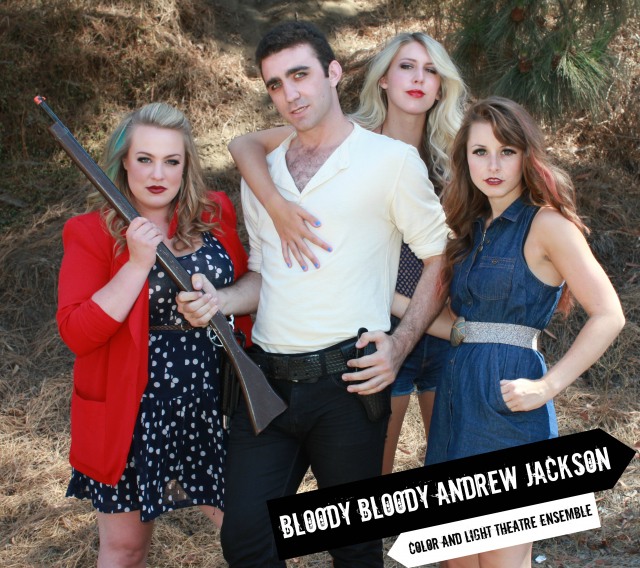
Yes, we have done shows in and around the Los Angeles area (in a fashion that would make commedia troupes of olden days proud). As for the type of productions, we have done mostly musicals or musical plays. My training was in the musical realm so I am drawn to these types of pieces, but future productions may include a spread of things. We tend to do shows that challenge the audience a bit, whether by asking them to consider the ways in which they live their lives or by confronting them with the alternative theatre devices of the piece. The spaces we perform in are typically in black box theatres or smaller theatres, but we also did one show in a converted space (mainly because I love the challenge of non-traditional spaces).

Who makes up your ensemble, and what do their lives outside of it tend to look like? Is it a tight-knit group?
The group is a mix of full-time creatives, freelance artists, and those that are striking a balance between “real” work and “play.” Some have jobs in the vibrant film industry; others string together fascinating jobs in favor of a less-traditional work day. And yes, the group is a close one. Many of us meet up for adventures or trivia nights when not in the midst of a show.
What does L.A. offer a troupe like yours that other cities just don’t?
Free dessert with the purchase of one entrée. I kid.
It offers a great web of theatres and alternative spaces that make for intriguing performance spaces. I’ve seen groups turn bars, churches, seaside villas, and outdoor areas into theatres as appealing as any. It also boasts a hyper-connected, supportive audience base interested in the Los Angeles theatre scene. It has a fast paced vibe with a little something for everyone.
Do you hope to combine your passions of theatre and international affairs? Or, do you ever consider focusing on a career related to your Global Studies degree?
What an excellent question. I’ve been lucky in that many of the jobs I’ve had over the years had an international component to them giving me the opportunity to put the degree to work. And the dream job looks a little something like living in Europe and bringing international fare to the stages there. I hope to eventually incorporate some foreign fare into the C&L schedule (there are a number of French musicals I’ve fallen in love with and would love to see staged in the U.S.).
Are there any challenges of running and managing a theatre ensemble (whether they’re logistical or emotional)?
Of course. Whether it’s timing of productions, finding venues, working out contracts, finding time to sleep – challenges pop up here and there. But I think the pH test for being able to tell if you really love something is if you still think every single one of them is worth it. And to me, they have been.
Do you ever worry about things like funding in a market that is likely very dense where you are?
Again, good question. It is hard when you see many theatres struggling and I do think the arts deserve a lot more funding than they receive in the U.S. But I have always been of the mindset that more money does not always translate into better art. The work we do is nimble and we try not to outstretch our means so we do not force ourselves into the position of worrying about the money factor.
Personally, what is your favorite aspect of drama and live performance?
The fact that you become part of the piece. Some in Los Angeles bemoan the ephemeral quality of theatre (“blink and you miss it” vs. the “staying power” of film), but I think that is exactly what makes it so exciting. The show is never the same twice and the audience plays a role in the theatre. It is also exhilarating when a live performance transforms an actor into something entirely different merely using stagecraft. The choice makes you think and transports you using just a group of people playing their roles. No CGI, no cleaning things up later—just sweeping action in that moment.
Do you act/perform in your troupe’s performances, or do you work primarily behind the scenes?
Not really. I do a bit of it with other theatre groups in Los Angeles but not with my own. I focus mainly on directing with C&L and that has always been plenty!
Are there any books you would recommend to anyone who wants to dedicate their life to theatre or acting?
Oh, I fell in love with Kazan on Directing, a holiday gift from this past year that I slowly savored. Finishing the Hat offers wonderful insight into Sondheim’s mind and Peter Brook’s The Empty Space presents a fascinating picture of the state of the theatre world and the kind of productions we should aim to create.
Thanks so much for chatting with me, Joanna! I’d love to catch a show when I make my own move out west. Have a question for Joanna, or just appreciate her spunk? Let her know in the comments!