The “Lucky” Ones – An interview with foster co-parent Rachael

Today’s interview is one of the most fascinating yet of this series. If you’ve ever wondered about the intricacies of foster parenting (the emotional roller coaster, the complicated legal process, etc.), read on about Rachael’s experience.
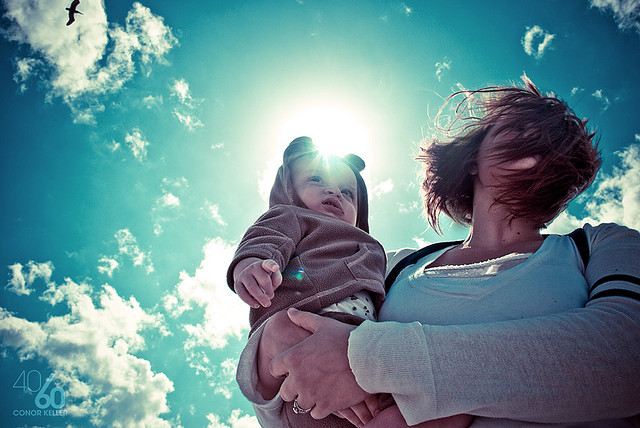
Kevin Conor Keller via photopin cc

Kevin Conor Keller via photopin cc*

Ever since working in the children’s department of a domestic violence victims’ shelter, Rachael knew she wanted to be a foster parent. She was only in high school then, but the eight years Rachael spent working at the shelter opened her eyes to just how many kids were in need of temporary homes. That experience solidified her belief, and after Rachael married her husband, Andy, they spent a couple of years seriously discussing the possibility of foster care before making it official. Their’s was a unique case—unlike many foster parents, Rachael and Andy are in their late 20s, they’re not religious (as is common in the world of fostering), and they decided to foster before having biological children. Their first, and so far only, placement was just four weeks old when she came into their home. “M” has brought so much joy into their lives over the past year—she’s now 13 months old—and yet the uncertainty of her future and their future as a family is a constant source of anxiety.

Rachael and Andy live in upstate New York—she’s an editor, and he works in sales. Rachael also blogs about the joys and struggles of parenting (as well as regular daily life) at Making it Awkward.

Welcome, Rachael!

Let’s start with your work with domestic violence victims. What was your role at the shelter, and how did working there influence your decision to eventually become a foster parent? 

I started at the shelter as a volunteer in the Children’s Program in my senior year of high school. My job was, basically, to play with kids. It was pretty great. I went into it expecting scared, bruised kids and haunted, weepy mothers, but really, by and large, the kids were normal kids and the women I worked with were incredibly strong. I ran “playgroups” for any kids we happened to have in residence. In the hours that the playroom wasn’t open, I’d spend time with the kids and their moms in smaller groups or one-on-one, and I found out that many of our kids had been in and out of foster care. Domestic violence happens in all levels of society, but in many cases it appears concurrently with drug abuse and various other issues. I was surprised that some of the “normal” moms had had kids taken into foster care. I was surprised that some of the kids’ own dads called in reports on the moms as a new way to manipulate and abuse them. I was horrified at some of the reports of foster kids not being allowed to eat with the rest of the foster family, or only eating one meal a day, or other, much worse, things. Even as a senior in high school, I knew I wanted to be a mom someday, and I knew I could be a better foster parent than some of these people I was hearing about. I felt passionate about the work I did there and worked there for eight years (and after we started dating, Andy occasionally volunteered there too).

What were some of the things you and your husband discussed before ultimately agreeing to foster children? Did you have to make any sacrifices or compromises?

I’m grateful that my husband and I have pretty similar ideas about community and social justice, and we’ve discussed fostering and adoption as possibilities for our family since we were dating. I first brought up really becoming foster parents the summer we bought our house. We had all these rooms! We could put kids in them! Andy wasn’t ready to be a parent at the time, but told me that I could certainly bring it up again. So I mentioned it probably twice a year until last summer, when we happened to be looking into adoption (both international and domestic) and discovering how expensive and restrictive it is. Andy agreed that since we were considering parenting anyway, we should go ahead and look into fostering. Before deciding to go ahead with it, we talked about our end goal: did we only want to foster if it led to adoption? Ultimately we decided that no, there are a lot more kids who need temporary homes than permanent ones in our county, so we’d sign up for all of them and see what happened.
Describe the process of becoming certified. What kinds of meetings and classes did you attend? Were you required to make changes in your home and lifestyle? 

The morning we had the discussion where Andy finally said yes, I called to get more information and was told there was an informational session that very night! We attended, and before we left we signed up for the required training program our county uses (M.A.P.P.). The classes, to my great surprise, are NOT about how to be a foster parent. They’re about helping you decide if foster parenting is the right choice for you and your family. There were classes ten weeks in a row, three hours each. I found the classes painfully slow and repetitive, but I realize that it’s important that everyone fully understand what they’re getting themselves into. We do get supplemental training, some required and some optional, on issues like fostering kids who have been sexually abused and on building relationships with bio-parents. We had our home inspected twice and had several multi-hour interviews with different caseworkers. We had to have a crib and a carseat and working smoke detectors and a carbon monoxide detector and a fire extinguisher before we could be certified. The process, starting with our first informational session and ending with our certification last October, took a total of five months. We’ve been told that this is on the shorter end of the spectrum, since we attended every class and scheduled appointments as quickly as we could.

Why did you decide to become a foster parent before having children of your own? Do you want to have children, and if so, will you continue to be foster parents?

Before we decided to foster we talked a lot about whether having a biological child was important to us. We both felt that if we were going to foster, it would be a good place to start parenting. I guess it boiled down to knowing myself well enough to know that if I had a kid already, it would be much more difficult to take on the risks that come along with foster parenting. After our foster daughter, M, was placed with us and we’ve seen how uncertain our future with her is, we decided that yes, we would like to have a biological child, because in a way we’ll be in charge of that kid’s story. We won’t be depending on caseworkers and a judge and our child’s other parents to make certain choices: this child will be ours in a way that we haven’t had (yet?) with M. We started trying to conceive this summer and I had a miscarriage at eleven weeks, which sucked. It sucked a lot, actually. And just for extra stress, M’s bio-dad started up visits again the week after the miscarriage, after not attending them for five months. So that was rough. But we’re doing okay, and I am actually sixteen weeks pregnant now! We will certainly continue to parent M as long as we’re allowed, and we haven’t ruled out the possibility of continuing to foster. We will, however, probably have to be very selective about accepting placements, for the safety of M (if she’s still with us) and our future child/children.

How would you feel about taking in older kids who are fully aware of their dysfunctional family situation? Do you think that would, in some ways, be tougher than fostering a baby or toddler?

When we signed our paperwork, we indicated we were open to any kid (or sibling group) between birth and age 5, which was the range we felt we could have reasonably biologically parented. There is absolutely a higher level of risk and mess with older kids, for a whole bunch of reasons, but we know there are a lot of foster parents signed up ONLY for the babies and toddlers and that the older kids need a safe home too. Now that we have M and have another on the way, we are not open to taking any more foster kids for the immediate future (fostering takes A LOT of time, and we both work full-time, so coordinating visits and doctor stuff and court for an additional kid isn’t really feasible). No matter what happens with M, we’ll have to talk about whether we want to keep fostering, and if we decide we do, whether we should narrow our age range. For example, research shows that kids who have been sexually abused are significantly more likely to act out sexually on other kids; that’s a real risk with taking in an older (i.e., non-toddler) kid. Our first priority will have to be to protect the kids we DO have before we can help other kids. (I also feel I should note that often a kid doesn’t reveal the extent of abuse right away, so we could specify that we prefer not to foster kids who have been sexually abused, only to find out months later that they have been.)
As strong as your bond is with M, how hard will it be when the time comes to let her go?

We really think of M, in our day-to-day lives, as our daughter. She’s about thirteen months old now, and she has been with us since she was four weeks old, so we are the only parents she knows. She hasn’t seen her bio-mom since March, hasn’t seen her bio-grandma (who was sort of pursuing custody of M) since April, and has seen her bio-dad less than once a week since the end of August. Her dad is the most likely candidate for reunification, but it’s really hard to say if he’s capable of doing what the county requires. We have no idea if it’s more likely that M will be raised by him or by us. If/when she does go back to her bio-family, we’ll be devastated. Luckily for us, because she is so young and so attached to us, the county would require a tapering of her time with her bio-dad, gradually increasing his visits so that he has her more of the time, to make the transition easier on her. We would also do our best to use that transition time to build a relationship with her dad, so that he can think of us a resource in M’s life. He knows that we would be thrilled to be part of her life and has said that he’s open to the idea, but we don’t know how likely he is to follow through. (I’ve had a coworker ask recently if it would be easier to lose M since I’m pregnant now, and I honestly stared at her open-mouthed. No, it won’t be easier to lose my daughter. Nothing will make that easy, ever.)

Do you get insensitive comments like that a lot? How do you handle it?

My eyebrows have gotten a lot more exercise since we started fostering. Andy and I are white; M is not. I am frequently amazed that (mostly white) strangers feel that they are allowed to comment on or ask us about this – “Is she yours?” “What race is she?” “Where is she from?” “Oh, what a pretty brown baby!” We’ve also been told, over and over, by well-meaning friends and family, that they could never foster because they’d “get too attached.” They might not realize it, but that’s freaking insulting because it implies that WE WON’T. Of course we get too attached. Of course we love M as if she were born to us. I have also had more than one person tell me they knew how hard it must be because they had fostered dogs for an animal shelter. Um, not quite the same thing, thanks. We’ve also had a lot of people flat-out ask why we’d want to foster, or if we have fertility problems, or if we’re planning to have a biological child – things that are absolutely none of their business (and it’s interesting to note that these questions are ALWAYS directed at me, never at my husband). We also have been told over and over how lucky M is. It’s really hard not to explain exactly how wrong this statement is, because she was neglected for the first four weeks of her life and may be removed from the only family she knows at any moment. Usually, I deal with it by being polite but dismissive – when people ask if she’s ours, I say yes. I smile politely and do my best to change the subject with thoughtless coworkers or acquaintances. I don’t want to set a bad example about how to respond to insulting things, so I do my best not to engage.

What are some of the other emotional ups and downs of being a foster parent?

I really didn’t expect the uncertainty to wear on me as much as it has. M’s case is a little odd, in that her mom has a specific case plan to work, and we get regular reports on that, but her dad isn’t a factor in why she came into foster care and he could choose to file for custody at any moment. Usually, the foster parents know if the parents have a shot at getting the kid back or not, but right now M’s case is anyone’s guess. There’s also a lot of pain in people asking, casually, “So did you adopt her yet?” as if we have any say in the matter. Visit days are rough, too, because M doesn’t know her bio-dad well and is at the age that she’s scared of strangers, so she spends the whole visit screaming her head off and then falls asleep from exhaustion, which breaks my heart. I struggle a lot with the reminders that even though this kid calls me “Mama” and we are her parents in her eyes, we are not in charge of her life (for example, we’d have to get permission from her bio-parents to get her a haircut, and if anything were to happen to me and Andy, instead of staying with our extended family, who adore her, she’d go into another foster home with strangers).

What has been the very best part about this whole experience so far?

We’ve gotten to parent a really, really awesome baby. M is truly a delight. And we’ve been lucky enough to have a fantastic worker on her case who is very communicative and answers my one million questions patiently and cheerfully. The worker is always honest with us, which is nice – she doesn’t know any more than we do about where M will be raised, but she doesn’t sugarcoat that M might leave or a judge might grant the mom an extension for no particular reason and thus extend the time M remains in foster care before adoption becomes possible. We also have met a few other local foster families who “get” what it’s like to have all this nonsense as part of your daily life in a way that most of our friends and family can’t. And at the risk of being schmoopy, I’ll also say that parenting with Andy has been really great. We have a lot of similar opinions on how things should go in a family, so there aren’t many disagreements about how to handle things, and watching him play with our kid just kills me with how happy it makes them both.
How has this experience changed your life and views on parenting?

I have thought long and hard to come up with an answer that isn’t just “Fostering has changed my life in every way possible,” but that’s true, even if it’s a cliché and a cop-out. We weren’t parents before; now we have a toddler. I was always pretty polite and believed that people in authority would do their best for me; since we had a complicated health issue with M, I learned really quickly how to be assertive (and have since had no problem escalating my questions any time I feel it’s warranted). I think Andy and I already both had wider-reaching perspectives than many of our middle-class, mostly-white friends, but this has helped cement that. For example, we don’t plan to do “Santa” with our kids, foster or bio, because of the huge class discrepancy that comes with that. How could we tell a foster kid “Santa will come and visit you when you’re with us this year, but we can’t promise anything when you leave”? Andy’s reading this book right now and took real issue with a throw-away comment by the author that you shouldn’t bother buying a ton of stuff for your kid, because that’s what grandparents are for!, because that’s really not true for a lot of people who don’t have family support or who don’t have an affluent background or whatever. It’s really hard not to see the world around us through the lens of being foster parents now, and through the broader view of social justice in general. We know we’re in the “haves” and we try to be more aware of the “have-nots,” I guess. Ugh, that sounds smug and self-righteous but I swear it’s not meant to be.

Overall, would you say that foster care is worth all the heartache that can come along with it?

For us, yes, it is, without hesitation. Some of it really sucks, but overall, kids are really cool little humans, and as foster parents we get to hang out with one of the best of them. And really, there is a very significant need for safe, temporary homes for foster kids while their bio-families work out whatever issues brought the kids into care, so yes, even when it’s shitty, to us it’s worth it to keep a kid safe for as long as they need it. There are days when it’s truly horrible, but there are way more days when it’s not. (I’ve never had a kid leave my home, though, so my answer to this might be different eventually.)

Are there any books related to your experience that you’d recommend?

Because our experience with fostering has only been one placement, and she’s so very young, the majority of books on fostering don’t really apply to us very much. I read and really liked The Connected Child, which has a lot of great information that can be applied to fostering despite being overtly about adoption. We ordered a few kids’ books on foster care before we got our placement, and we really liked A Mother for Choco, Maybe Days, and The Family Book. Horton Hatches The Egg is a great book for talking to non-foster kids about how different families are created.


Rachael, thank you so much for telling your and Andy’s story. Your insight taught me (and others, no doubt) a ton about the world of foster care. It’s crystal clear that you two are selfless, loving people who make for wonderful parents. Congratulations on your pregnancy(!), and the best of luck in your ongoing story with M. Have questions or comments for Rachel? Add them here!

*No photos used in this post are of Rachael or her foster child(ren). All but the top photo belong to Witty Title Here.

Why don't you stick around?

Tweet This

The “Lucky” Ones – An interview with Shanghai artist & bodyworker Julie Kesti

After several weeks off due to the holidays, I’ve been anxious to get The “Lucky” Ones interview series back up and running. (You can read past interviews here.) My first interviewee of 2013 is a creative soul with an adventurous spirit. Meet artist and Shiatsu practitioner, Julie Kesti!

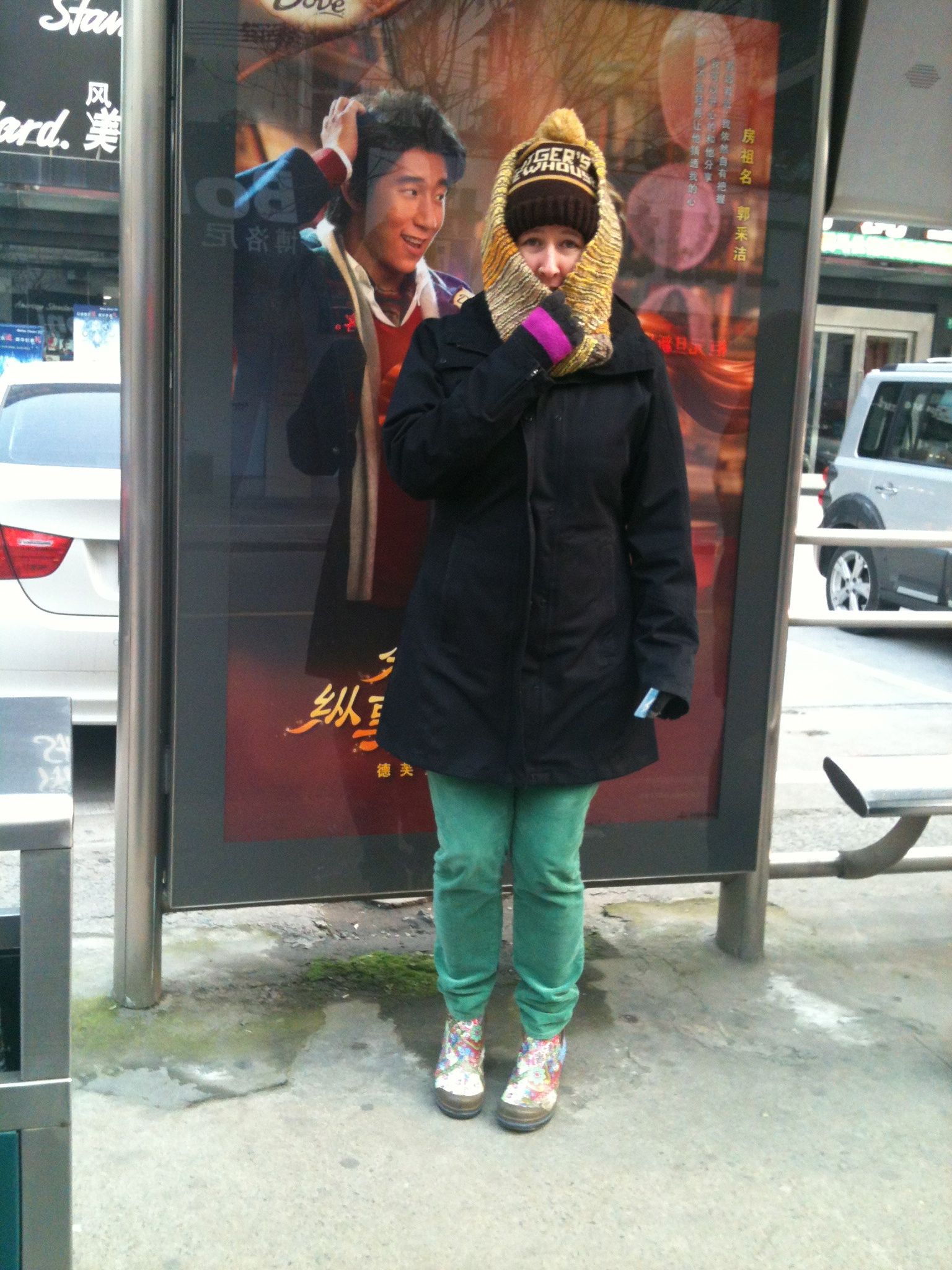
shanghai is cold in winter so i jog in place

Julie Kesti is an artist—both in the traditional sense and otherwise. After receiving her art degree from the University of Minnesota, she began to explore other paths (mail carrier, face painter, museum guard, and birthing doula to name a few). But what grabbed her attention—and stuck—was another kind of art: healing bodywork. Inspired by previous work in a yoga studio, Julie learned the practice of Shiatsu, a Japanese alternative medicine that incorporates massage and stretching. She eventually started her own business both as a Shiatsu and Thai massage practitioner while continuing to create art.

A major life change, not to mention culture shock, forced Julie out of her comfort zone when her husband’s job recently transplanted them to China. It’s made for a whole new source of inspiration for Julie’s artwork—which is mostly paintings and drawings that use various materials, as well as a series of art-by-mail projects which she ships to people all over the world from her new home in Shanghai. Crediting her childhood as the youngest of five siblings, Julie’s power of observation has made her independent career both successful and fulfilling.

Welcome, Julie!

You’ve explored many careers on your path to art and bodywork. What led you to where you are now, and how did you know when you had a good fit?

I remember my college advisor saying, “It doesn’t matter what you major in, companies want employees who are intelligent and can think creatively.” I think this is probably both true and untrue. At the time, though, I somehow knew [art] was the right choice for me. Oddly I also knew that I wasn’t going to go out and try and show my stuff in galleries. I recall being really clear about that, though not about what it was I would do instead. I think studying art was developing a way of interacting with the world, and I didn’t know where that would take me.

Since then I’ve worked all sorts of jobs. In the midst of all that I also studied bodywork and eventually started my own business as a Shiatsu and Thai Massage practitioner, including co-creating a great bodywork space that hosted arts events. Two of my best roles were working in an assistant role, which is a little surprising because I can be stubbornly independent, but not so surprising because I like to find pattern and organization in things. I was lucky to work alongside brilliant experts in their fields. They each had a well-honed talent, and I was able to step in to join with them to make that work easier and better, while learning from their expertise.

can't stop painting plants

Did you experience a lot of uncertainty when you took on these different roles? How would you decide what to pursue next or when you felt it was time to move on?

I don’t exactly believe in fate, but I have to admit, as I look back on all this, there have been several times I was sure about doing something but wasn’t sure exactly where it would go.  My doula work—I was so excited about it when I began and loved doing it, but then at a certain point, I was like, I think this part of my work is done. I just knew it. It was a little awkward, really, because I had no good explanation for people, apart from saying something about a switching of priorities. But it was about that time that I met [my friend] Sarah and Blooma (the yoga studio) was opening, and things evolved from there. I was just going to work at the desk a couple days a week because I thought it was such an exciting new concept to be around, but it evolved, and I was able to take on a leadership role there that used a lot of skills I’d developed over the years, and taught me a lot of new ones. I think, really, in that case in particular, my college advisor was right—it was my ability to think creatively and organize and sort information, key tools of an artist, that made me a good fit for that role.

It seems you were intent on becoming an artist from the start. But what about bodywork? What was it about the practice that resonated with you?

This work did in some ways come out of my art practice. [In school], a lot of my work explored the idea of living in a body, how we are viewed and project ourselves through our physical forms, and more specifically, as women. One of the most influential classes I took was a course called “Women’s Images and Images of Women.” It altered my understanding of history and the way that the personal and the political reflect each other. Fast-forward a few years, and I’d lived in China for a stretch, and served a year as an Americorps Volunteer, gotten married and was back in Minneapolis. A friend of mine was in Shiatsu school and would tell me about Chinese Medicine and practiced on me. I was intrigued and thought it would be a way to keep examining our human bodies, and also a way to study that wasn’t all about book studying (which was what I’d done most of my life) but also hands-on. Shiatsu and Chinese Medicine are interesting because they discuss the body in a way that includes so many factors—environment, emotions, lifestyle, history—and that of course appealed to me as an artist.

On the surface, art and bodywork appear to be two very different professions, though it seems bodywork is its own art form, and art, healing. Do you feel the same? And how do you do both?

A friend once came for a session and noted that to her my Shiatsu work felt like I was “making a painting.” That’s a little abstract, but I think it’s pretty accurate—you are creating each session for each client, and you are listening and responding to what you notice in the body—it is a creative process. You also develop your own style as you grow as a practitioner, the same with an art-making practice. And both art and bodywork are beneficial to the practitioner—you feel good and energized after giving a Shiatsu, and painting is invigorating in a similar way.

Practically speaking, though, I seem to always have multiple interests going on—which can be both a blessing and a curse—to keep up with it all logistically, and of course to make it all work financially.

How has relocating to a completely different part of the world shifted your perspective of your work and lifestyle?

Since moving to China this year I’ve had a lot of time to think and have been forced to examine how the next phases of my work will evolve. Not much here is built-in for me, and this move wasn’t entirely my choice—not that I was forced to go, but it is my husband who has a job here, and who has studied Mandarin and Chinese culture for years and years, so my investment is different from his. There is an (I think) terrible term for this: “trailing spouse!”

So I’ve been in a bit of a free fall, which is terrifying and also a great gift. It makes me have to step up to the plate—I can’t relax in established relationships or roles or even, you know, ways of getting groceries and doing laundry. It’s a chance to Teach English (believe me, everyone will tell you, “You could always teach English!”) or Do Something Else. So I’ve been staring at Something Else a lot and trying to discern it, and exploring what others have done in a similar situation. And it seems like this is a lot of what the blogging world is about—people trying to do something other than what they were doing, or trying to shift their lifestyle, or maybe keep doing the same thing but be more reflective and/or intentional about it.

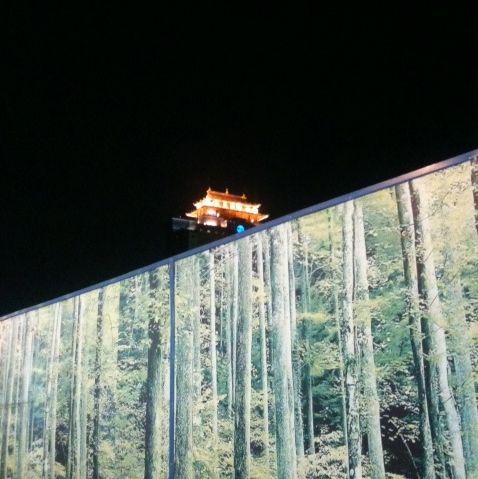
typically bizarre shanghai view

Has your new home influenced your art? Are people in Shanghai receptive to it?

Yes, it has. Partly just in having my time wide open and saying, okay, let’s do this. Partly because I think the urban landscape is making me paint plant after plant after plant. It’s got me thinking about how to make an art practice that is viable no matter where I am—hence my experiments with art-by-mail and my new Etsy site. (Thank you postal services of the world!)

I’m not sure yet if people here are receptive to it—I am still trying to get to know the community and find a spot for myself. There are some inspiring projects here, so I have hope. The skies here can be very grey and smoggy, so I have a feeling there is a place for my colorful work in this city.

Bodywork-wise, I’ve been set up to give Shiatsus here for about a month. So far so good. It’s extra nice to create a cozy oasis for people in the midst of this huge city.

What challenges have you faced as a result of simply being in your respective fields, as well as immersing yourself in such a vastly different culture? What about the rewards?

The challenge with learning bodywork initially was going to school and learning anatomy and stretching my brain to think in terms of Chinese Medicine, which can be a very different view of the human ecosystem. I had some great teachers to guide me in this process. (Thanks Tomas and Andre.) Once you get through all that, there is the challenge of starting a business and figuring out how to share it with others. This was actually a fun challenge, however, one I still enjoy and am learning about, and one that I can now bring back around to my art-making. It’s funny—I forget sometimes how much of a learner-by-doer I am. I suppose this is why I often am not sure what the next step is, so I keep walking ’til I’m in it.

Immersing myself in a different culture is hugely challenging. And here in Shanghai, it’s many cultures—Chinese, Shanghainese, the Expatriate world, the world of the very-corporately-employed, a world of regular food scandals, a world of a pretty totalitarian government with a really annoying internet firewall. It’s a big change from Minneapolis. At many moments it has totally, completely sucked. But—but—of course, just to laugh in the face of my most pessimistic moments, of course it is rewarding to me, too. I can see in what ways I was pampered by being in one place for many years. I encounter viewpoints and lifestyles and cultural references that I didn’t in my circles back home. Generally, foreigners in Shanghai are extremely bright and ambitious people, which creates a unique dynamic to observe and learn from. Let’s be honest, I’ve been thrust into the ultimate make-it-up-as-you-go situation, so this should be right up my alley.

It makes me think about immigrants all the time. I am pretty sure I’ll be back in my home country again—I think about what it would be like if I knew I wasn’t going back.

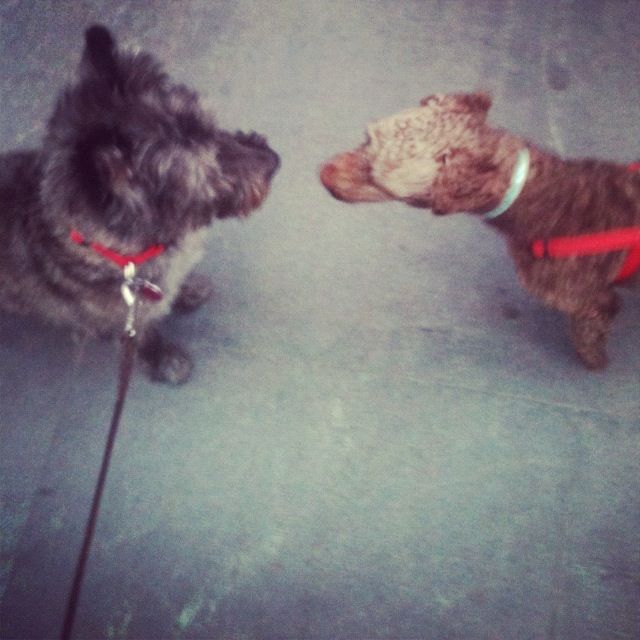
my dog skye lives in SH too

What has been your biggest success to date, and how do you hope to see your art forms evolve?

I’m so bad at “biggest/most” questions, but I’d have to say one of the biggest successes was the Art Swap Shanty. It was part of the Art Shanty Projects on a frozen lake outside of Minneapolis. Artists are commissioned to build themed huts (like ice fishing houses) that become an interactive creative village, visited by thousands of people over several weekends in the dead of winter. Our shanty started as an idea by my junior high friend Dana, who lives in L.A., and me, and we roped in a few friends and before we knew it we had hundreds of people swapping works of art in our tiny space in the glow of our wood stove, under a giant stocking cap.

This was the first community art project I’d done, and it was cool to use my organizational skills in an arts setting. I don’t always love group projects, but we had a good synchronicity with this group, and everyone had a good skill that made the shanty work. Equally important to its success was being part of the Art Shanty Projects—they’d been going for several years and, for good reason, had a great following by then. It was an awesome experience of collaboration and of feeling first-hand the way that not reinventing the wheel has its benefits!

My other big success would be a series of drawings I “collaborated” with my nephew on. I put that in quotes because he died before I made the drawings, when he was 9 years old. I took his drawings and writings and made new works out of them. I think that project will continue somehow in the future. It involved mystery and story and maps and thinking about what a life is, and how we make meaning, which is so much of what I’ve been doing, really.  You can read more about that project here.

waiting for the subway train in SH

Are there any books you’d recommend (whether they’re personal or professional favorites) to like-minded readers?

I’m pretty obsessed with Cheryl Strayed’s Tiny, Beautiful Things, Lynda Barry’s What It Is, and Danielle Laporte’s The Firestarter Sessions right now. My favorite children’s books ever are Leo the Late Bloomer by Robert Kraus and Jose Aruego, and Andrew Henry’s Meadow, by Doris Burn, which I still refer to often. If you are interested in Chinese Medicine, Wood Becomes Water: Chinese Medicine in Everyday Life by Gail Reichstein is a nice place to begin.

(I love reading novels—who knows why they aren’t on the list today.)

Which has played a bigger role in your success: persistence or luck?

Huh. Hm. Well.

In the grand scheme of things I know I’m very lucky. Privilege upon privilege, an awesome family, and growing up in a place with fresh air and trees and lakes and educational opportunities…

But I’d say “success” requires persistence. Not in the force-it-make-it-happen sort of way, but in the keep-on-keepin’-on sort of way, and in let’s-give-it-a-try sort of way, in the letting-your-heart-grow-three-sizes-again-and-again sort of way.


I can’t think of a better conclusion to that interview. Thanks so much for sharing your story, Julie! If you enjoyed reading Julie’s story and insight, let her know in the comments!

Why don't you stick around?

Tweet This

The “Lucky” Ones – An interview with Irish woodworking artist Aislinn Lynch

For this week’s The “Lucky” Ones interview, I have my first international interviewee, and she’s a pretty unique lady who works in design. So let’s get right to it. Meet the Dublin-bred Aislinn Lynch!

IMG_0197_

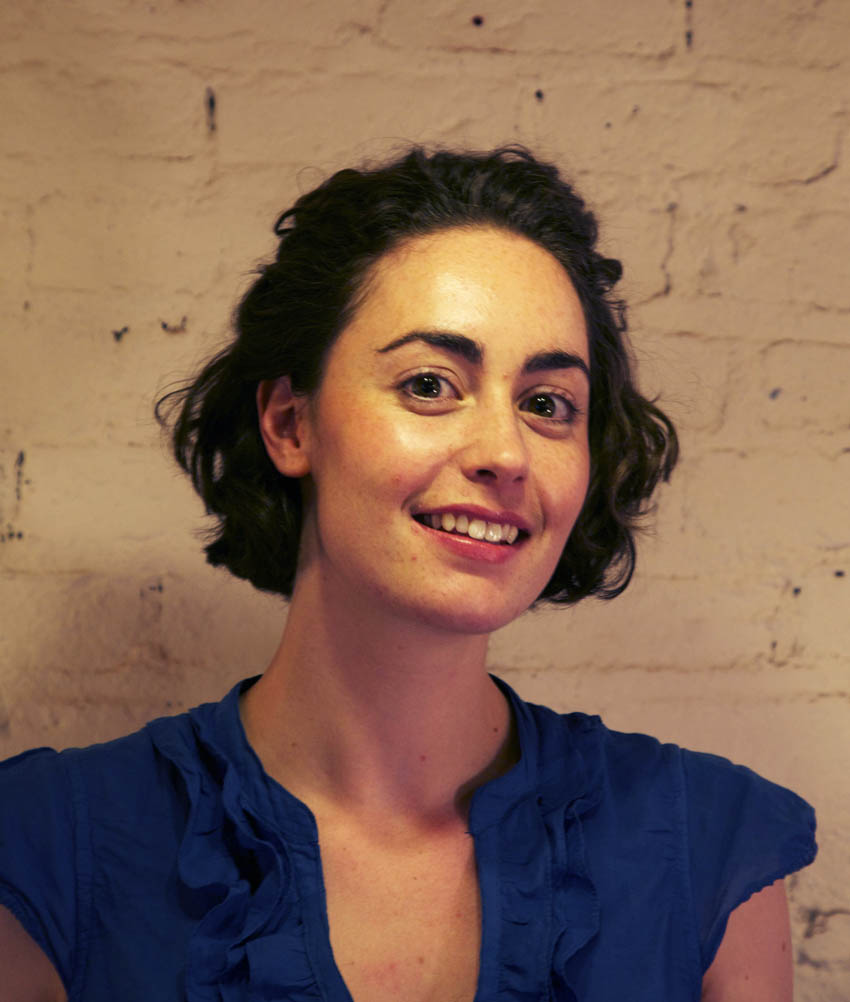
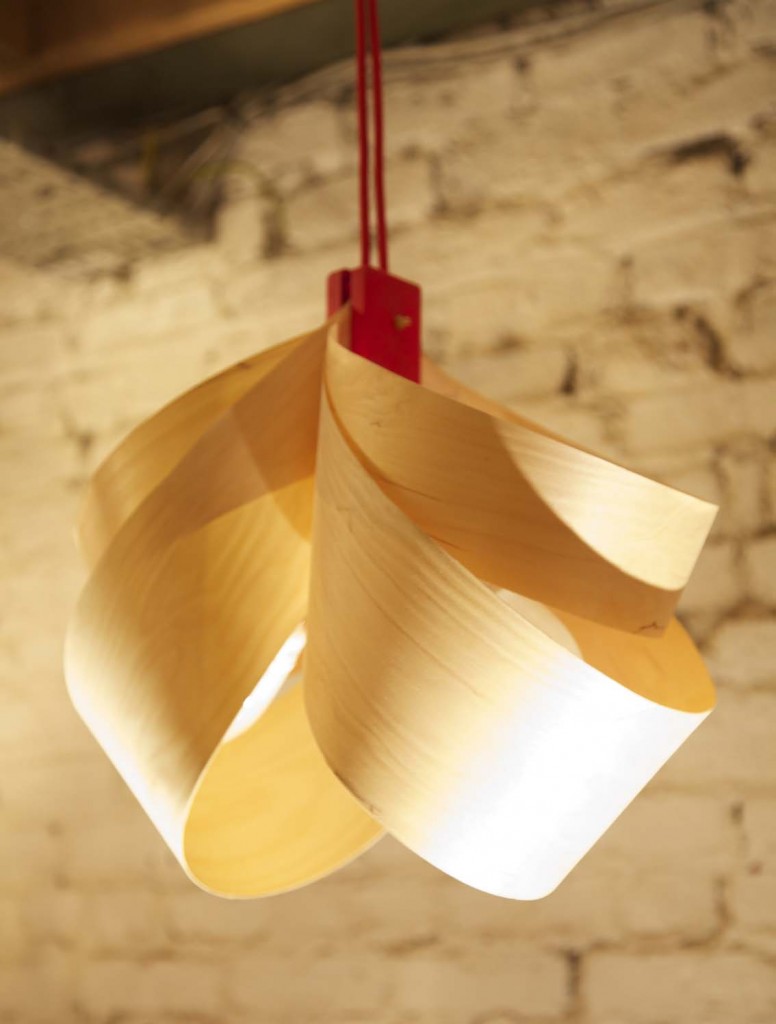
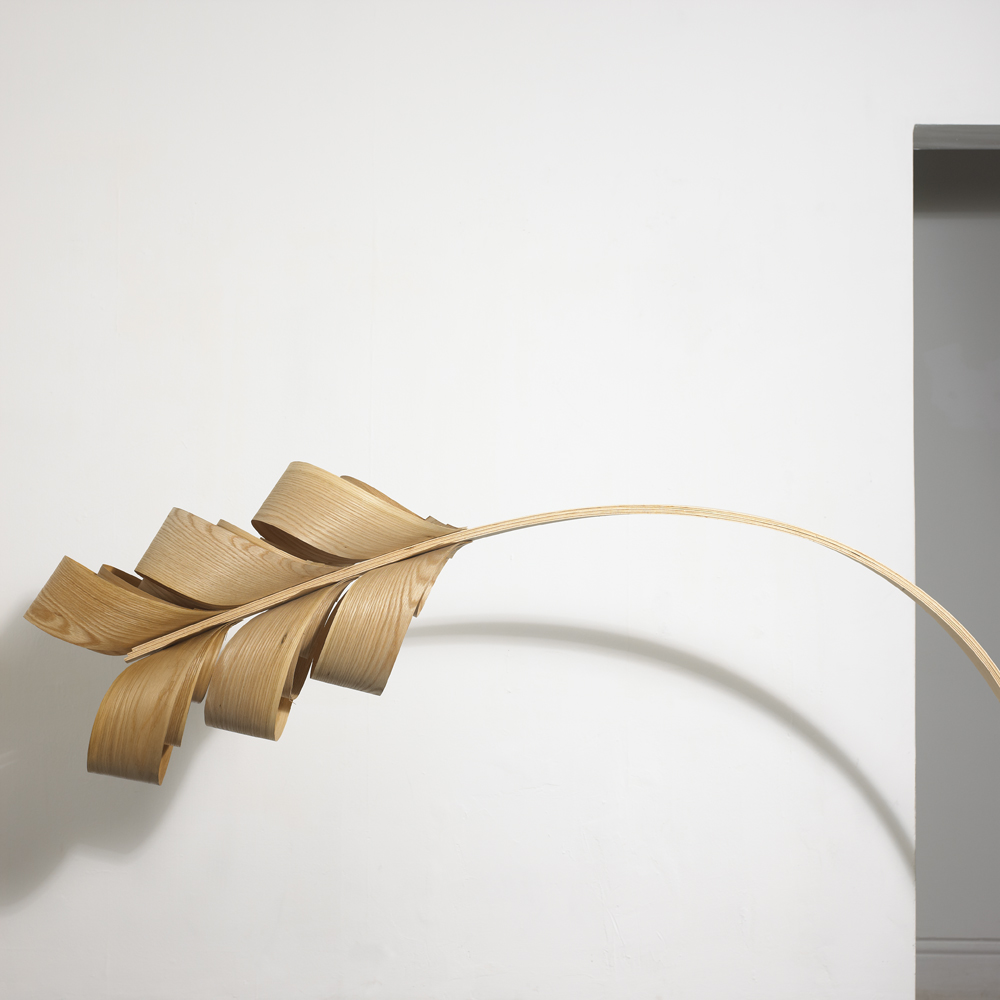
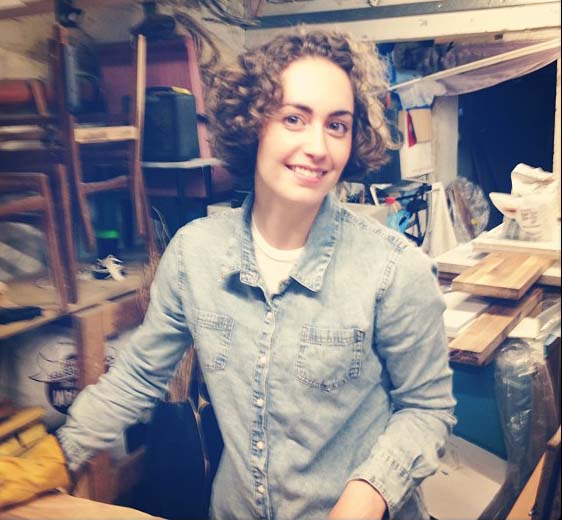
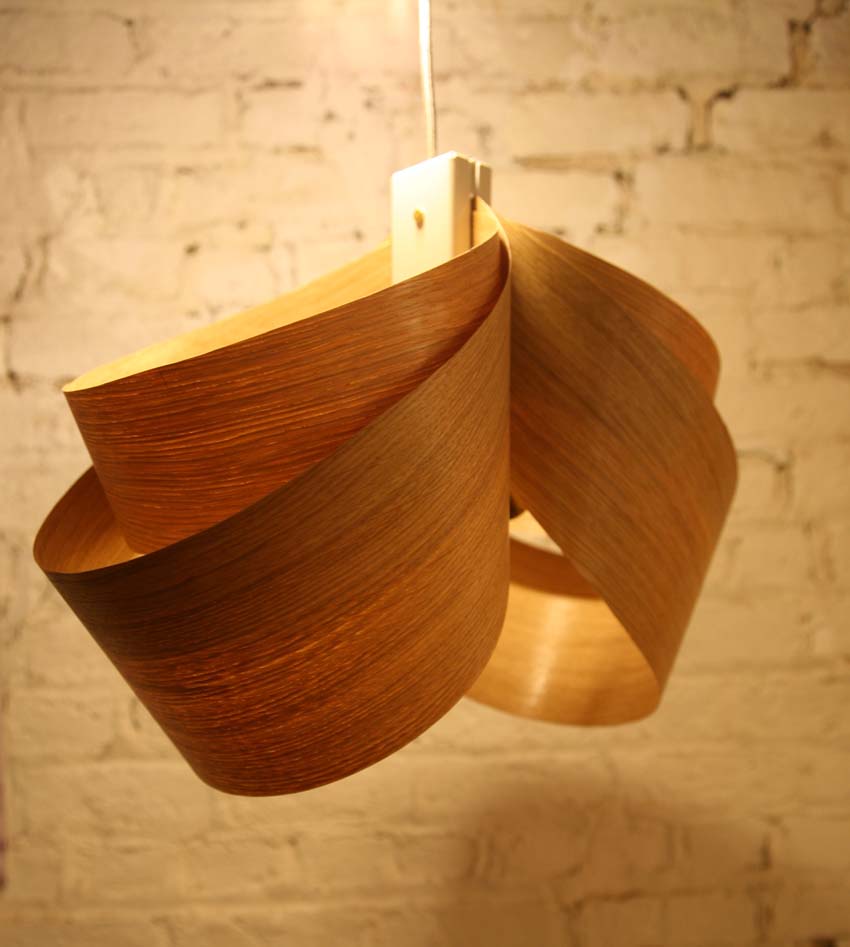
Aislinn Lynch is an Irish designer working in wood veneer.  After earning her BA in Interior and Furniture Design from the Dublin Institute of Technology in 2011, Aislinn (pronounced Ash-lin) was awarded studio space and mentoring at the Malthouse Design Centre, where she is currently based as a Resident Designer. She became interested in woodworking in her last year as an undergraduate and has since exhibited her work in galleries such as the Light Fantastic, where her collection “Lady” was showcased along with more than a dozen Irish lighting designers.

Growing up between Dublin, Chicago, and Windsor, England, Aislinn’s profession is a bit of a departure from her upbringing—her parents worked in finance. But her passion for creating beautiful works of art with her hands has proved fulfilling, and at times, surreal. Her positive, open-minded demeanor, combined with her intuit for aesthetics, have paved the way for a long-lasting career in the world of design. But money isn’t anywhere near her biggest motivating factor. It’s simply the joy of creating and collaborating that inspires her work.

Friends… meet Aislinn!

Explain how you came into wood-working and furniture design. What originally peaked your interest and held it?

I think I was always interested in design in some way. As a teen I loved flicking through my mom’s Image: Home magazine (and still do!) and watching all of the interior design shows on TV. When it came to my final year in school, I put ‘Design: Interior and Furniture’ in DIT down as my first choice and got accepted. I knew that the course eventually divided into Furniture or Interior Design, and I came into the course looking forward to the Interior Design but actually immensely enjoyed the furniture aspect of the course. You were working with tools, learning about machines and were able to actually make your design. My interest peaked in my final year when I came across veneer (thin slices of wood) that really fascinated me. It allowed me to make elegant pieces by emphasizing its natural curves which looked very beautiful to me.

What do you love about working with your hands? Have you always enjoyed it, even as a kid?

I think it’s more the great satisfaction of creating something from scratch from your own hands. Something that was previously not there is now because you created it. As a kid, I was quite interested in making things, but it wasn’t something I envisioned for my future.

IMG_0204

Is your profession predominantly male, or is it a mix? Where do you fit into that mix?

In college, the course was roughly seven boys and 40 girls. I’m not sure why, but maybe when people see “interior design” in a course title they actually see cushions! pink! wallpaper! girly things! when it is far from that. People still ask me about my curtain making skills having done interior design in college…

Most people would think it would be predominantly male since there is a lot of manual work, but even in the studio I’m in now it is 50/50.

Describe your first exhibit. Was it at all surreal?

As part of my design thesis senior year, we exhibited in a large gallery in the centre of Dublin which was my first taste of it, but I think my first “real world” exhibition was the one I had this May. I had been in the Malthouse for only four months when the business manager, Rosemary, said she wanted to have a proper launch for myself and Kathryn (fellow classmate also in the Malthouse and one of my best friends). As we were both working on lighting products, she organized an exhibition to showcase the best of Irish Lighting Design. We would be exhibiting our pieces beside those of very well known designers—very intimidating!

The night was such a success with over 100 people showing as well as press from the Irish Times who interviewed us all. It was surreal to get such great feedback and such interest in my pieces. My friend Kathryn and I went out for a celebratory dinner the following week so we could properly take in what had just happened!

Aislinn Lynch 'Floor Lamp' Opt04 B

What were some of your favorite classes in school? Were there any teachers in particular who inspired you?

My favourite classes in school were art, German, and French. Languages and linguistics are something I’ve always been drawn to, and to be honest, my German teacher was the one who inspired me a lot. She had such a passion for what she was doing and you could clearly see this. She made each class exciting and different.

I chose to go the Design/Art direction for college as I had always envisioned going to art college and knew that I had enough drive to continue my languages in between my studies, which I did.

Ash_in_Workshop

How meaningful is it to have your own mentor and workspace? Explain how that came about, as well as the difference it has made in your work.

It came about because of my graduating exhibition at the end of my final year in college. An architect, who I had previously met, told me how much he liked my pieces. He sent me an email later that week and asked me to come in for a chat. I brought in my sketchbooks to show him and his partner. They said that If I was interested in continuing to work on my pieces they would give me some workspace in their growing design hub, The Malthouse.

Being in the Malthouse has pushed me so much further than I could have ever done on my own. In my area I have two other girls who graduated with me, [my friend] Kathryn and Grainne, both furniture designers. I have Jennifer Slattery, a well-known textile designer and Jamie Lewis who works in felt—our newest edition to the Malthouse. Having this interesting mix of people around me allows me to ask questions and get feedback on designs. At the beginning I had no idea about pricing, wholesale or retail and how to go about getting pieces in stores, so this has helped me so much.

Are you able to sustain yourself financially through your artistic work? And is that the goal, or do you have other interests?

The ultimate question! Unfortunately, I’m not able to sustain myself financially just yet. Although this would be great, it wasn’t my main aim at all. At the beginning of coming into the Malthouse, I was even new to the idea that you could actually make money from designs you made! It just seemed like a great bonus.

I’ve had a part time job whilst working in the studio to keep myself going and to have money to put into the designs. This has also worked because it means I only have a certain amount of time in the studio so it forces me to make the most of it.

My main objective coming into this studio was to build a beautiful portfolio of pieces I am proud of and give me the opportunity to try out new ideas.

Is there such a thing as “furniture maker’s block”? Or, do you ever experience lulls in inspiration?

Yes! Anyone in an artistic field feels this block once in a while. Generally I feel the lulls are beacuse of other things in my life. What seems like a lull can in fact be the build up of “personal mind clutter” that need to be looked at before coming back to design. If I come back and still feel uninspired, brainstorms always help me to see things clearly and get back on track. Asking myself basic questions like why are you designing this? or why is this important? can get me to realize why I started doing this in the first place and get me excited again!

IMG_0185

What makes your pieces unique?

I know everyone says that are no new ideas and everything has been done before, but I don’t believe this! If you truly love something and put all of yourself into it, I feel it is unique. I took a material that I loved and created something I felt did the material justice—taking its best qualities and accentuating them whilst putting a lot of myself into them, this is its unique quality.

What has played a bigger role in your success thus far: luck or persistence?

Persistence! I’m not sure I believe in luck. I believe you get somewhere because of the work you put in to it.

Thanks so much for your insight into the world of design, Aislinn! If you enjoyed Aislinn’s words (and if you think her designs are gorgeous), let her know in the comments!

Why don't you stick around?

Tweet This

The “Lucky” Ones – An interview with travel writer and NYU undergrad Haley Houseman

It’s time for another installment of what should be called the people-you-wish-you-knew-in-real-life interview series. Today’s interviewee is someone you’d want for a travel buddy. Smart, ambitious, and energetic, this gal is an undergrad at NYU and has already seen some incredible places in this world. So let’s get right to it. Meet the lovely and lucky Haley Houseman!

One thing is for sure about Haley Houseman: she follows her own path, even if she has to pave it herself. And that’s exactly what the 22-year-old NYU undergrad did when deciding where her studies would take her. They would, in fact, take her to India, Ghana, Argentina, and soon, the Czech Republic. But first, Haley had to hash out the details of an individualized major that would allow for such a jet-setting lifestyle. It took some soul-searching, as well as gaining support from her mentors, but Haley landed on a focus on post-colonial studies and nonfiction writing (with a minor in global studio arts). It ended up being the best thing she could have done for herself.

Currently studying abroad in Argentina through December, the Boston native also writes a travel blog and hopes to pursue a career that involves her passions of writing and travel. Haley is also a photography enthusiast and is conversationally fluent in Hindi and Spanish. Next on her list of places to visit? Morocco, Sweden, and Italy, to name a few.

Friends, here she is!

It seems you’ve traveled everywhere. But what was the first big trip that started it all?

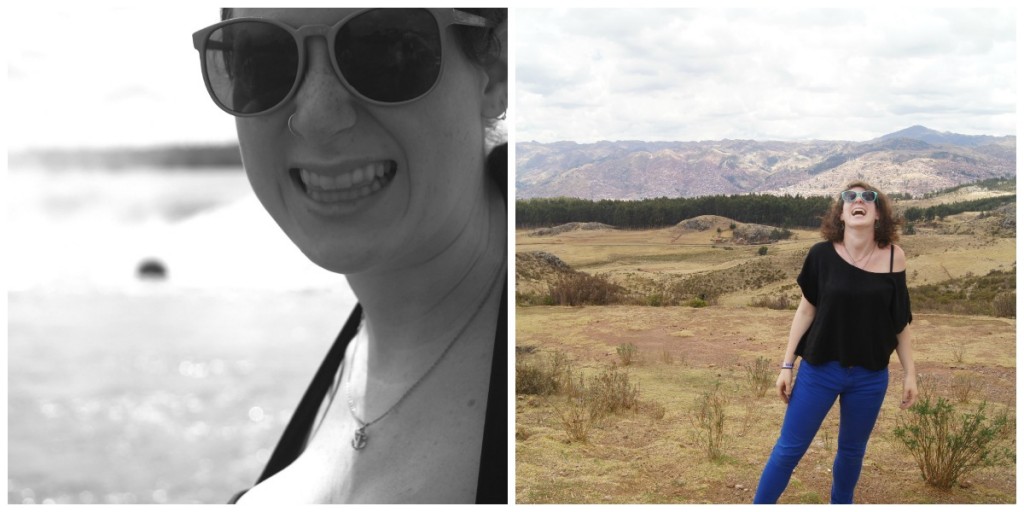
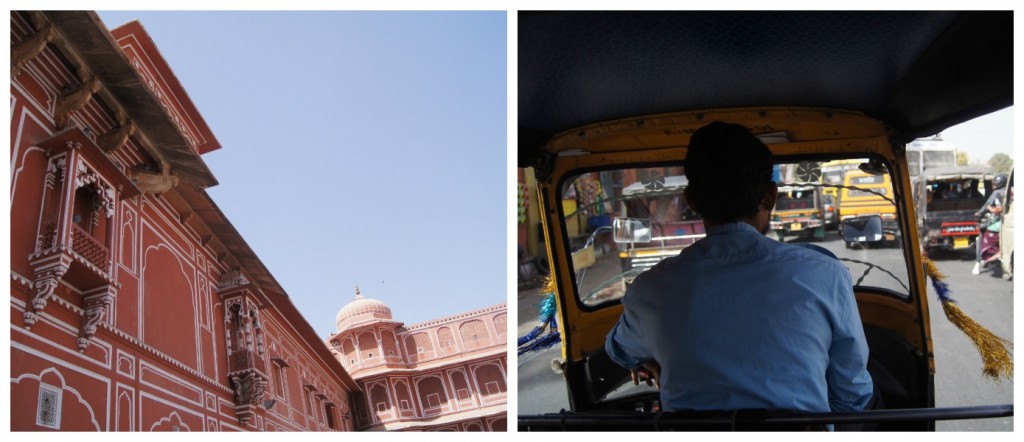
It may seem that way, but I definitely haven’t! I’ve only ever been to India, Ghana, and Argentina (which are all the places I’ve studied) and then Peru, my first place to “visit”! I still feel like a travel newbie. India was the very first time I’d left the country, and it was surreal to pack up my life in one suitcase and move away, far away from home for a year. I knew nothing when I got there but it was an amazing experience that totally changed how I see the world, how I see cultural exchange. I was hooked!

Peru

In your study abroad experience, have you had the chance to completely immerse yourself in the various cultures?

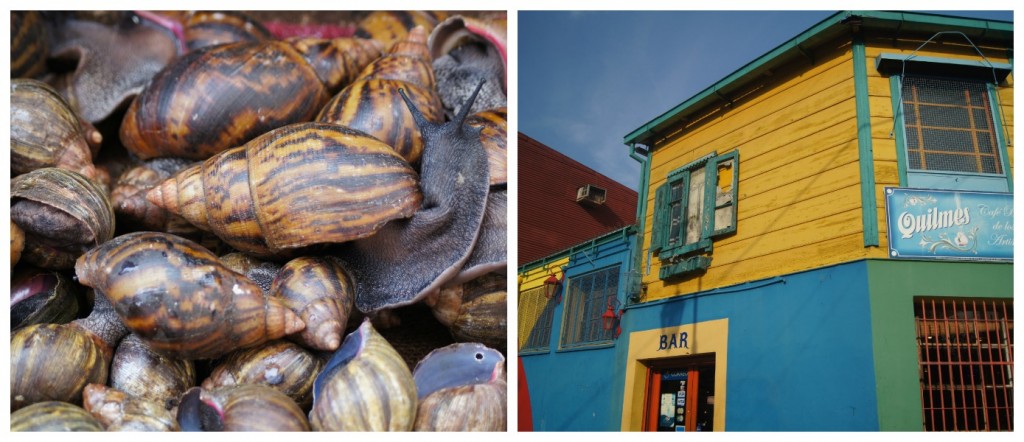
India was a complete immersion, as complete as a little white girl can be in the subcontinent, and I think it’s really the best way. I went to school, lived with families by their rules, and tried to learn as best I could. I ended up with an enormous wardrobe of salwar kameez and sarees, and a bit of an Indian accent. Since then, I’ve lived a dorm in Ghana, where I felt like I didn’t learn nearly as much about the place and the people. Here in Argentina I live in a host family again, and my Spanish has improved so much, my concept of Argentina is so much more complex. I am learning so much! I wish I could have taken more classes in Spanish, but my Spanish definitely suffered from my Hindi studies. Making Argentine friends helps me to feel like I’m using my Spanish and being immersed.

What attracted you to individualized study? How has it helped foster your mobile lifestyle?

I actually applied to the Individualized Study program as a one-off—most of the programs I applied to had core programs, or were art schools. I really had no idea what I wanted, I was so focused on getting into my study abroad program. NYU happened to be the perfect combination for me, because they gave me freedom to figure out what I wanted AND they gave me money. In retrospect, it was the best thing I could have done for myself. My program allowed me to explore what I was interested in, but I never would have expected what my concentration is now: Post Colonial Studies and Travel Narratives with a Global Visual Arts minor. My concentration is also a good excuse for traveling: I’m studying in post-colonial nations, which has me spending three semesters on three different continents. I was lucky enough to find an advisor who understood both my vision for my concentration and my desire to travel. We email regularly, and I just turned in my pre-thesis paper yesterday.

Describe how you’ve created and tailored your own curriculum. Is it more challenging than following one prescribed area of study? More rewarding?

Well, my advisor has been a huge part of it, as well as some professors who have taken the time to help me in and out of class. One of the biggest struggles I had personally was identifying the specific areas of theory I wanted to engage with, and that took me until this semester to articulate fully. I think that since an individualized major is really only for you, it is worth as much as you choose to put into it. I have put a lot of work into developing my concentration and pursuing the topics I think will inform it, because at the end of the day the only one who will lose out if I slack off is me. Also, I love my major, and it’s basically a culmination of everything I am interested in, so it’s not that big of an imposition. I don’t think most students who choose a pre-constructed major usually feel so passionate about their studies. I can’t really speak to whether it’s more rewarding, but I love it, and I can’t imagine having done anything else.

Which traveling experiences have been the most memorable or have made the biggest impact on your life?

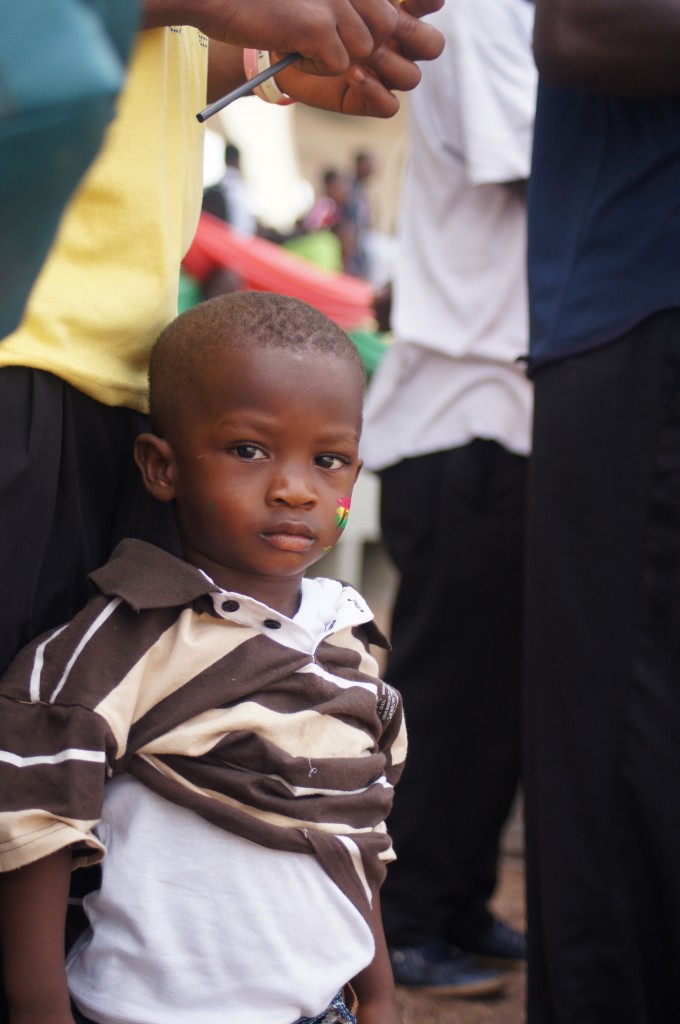
India, absolutely. I went back this past spring to visit and it felt like coming home again. It was a blissful two weeks of visits and backpacking that made me remember why I became addicted to travel and cultural studies. It completely changed my life, and it made me the person that I am today. It also made me a stronger person, and I can’t imagine making plans to study and travel the way I have if I hadn’t had a year all by myself in rural India. After that, I have complete faith in my ability to make lemons into lemonade, no matter what the situation.

India

What is the biggest culture shock you’ve encountered? How do you pick up on cultural customs on the fly?

Moving from India to New York City was the biggest culture shock, and it made for a couple of uncomfortable years in New York. As much as I love my program, New York is a hard adjustment to make. I’ll be glad to go back next year, but right now I’m enjoying traveling too much to want to go back, and I wasn’t sad to leave at the time. As for cultural customs, I don’t know about picking up customs. I think its important to read about places and do your research before you travel to a place. I always try to read a few books of nonfiction and fiction before I go, and of course—travel writing pieces! Otherwise I try to pay attention and ask lots of questions. A little mimicry doesn’t hurt, but honestly between the bright clothes and the camera, I tend to stick out anywhere.

I would imagine between living with five families, meeting countless locals, and studying amongst your peers, you’ve met many people who, in some way or another, have greatly influenced you. Who are some of these people? How has your life changed because of them?

Oh wow, that’s a huge list! I’m going to do one per place, I think it’s easiest that way, but I’ll be leaving so many people out! In India, one of the people who made a lasting impact above and beyond improving my life generally was my professor, my only professor who tried to make school meaningful and ended up introducing me to a whole new world of self publishing and Indian alt lit. It was like a literary gateway drug. She made me realize the potential of my experience, and of the individualized major I was about to go into. In New York, things began to feel like no one noticed what I was doing or really cared—it’s a big school in a big city, and it can feel that way if you don’t—or can’t—advocate for yourself.  When I came to this professor uncertain of my next step, she took me under her wing and pointed me to my current advisor, who has supported all my travels and encouraged my writing. In Ghana and Buenos Aires, there have been important professors, but the people that I really remember are friends who pushed me and motivated me to do better, and most importantly, traveled with me. The girls who traveled with me to India and Peru in the past year—ten days is a long time to spend alone with one person. Of course it changes you! All of these people, and so many more have turned me into the person I am now, and hopefully are turning me into the writer I hope to be.

India collage

What about naysayers—have you had any of those in your life? How do you ignore the negativity?

I’m lucky enough that I’m probably my own biggest naysayer. I have an incredibly supportive family and group of friends, and I work hard to make sure I make them proud. Otherwise, I don’t really keep company with people who tell me I can’t. It’s a waste of time. My own negativity and insecurity is definitely my biggest obstacle—that and Netflix. I struggle, like most college students, with issues of productivity and distraction, especially abroad.

Have there been any downfalls to traveling? Scary encounters, disappointing visits, or unexpected surprises?

I’ve been pickpocketed twice—once in Buenos Aires, once in India, and my best friend was mugged when I was with her. Life in Buenos Aires is getting more unstable as the economics get more complicated and inflation goes up. Those are definitely the scariest moments, though at the end of the day I am pretty prepared for stuff like that. I’ve been very lucky as well, and I rely on my gut when I’m trying to figure out how to react. There have been times when I’ve done things that on paper were a terrible idea (most recently, accepting a ride from a doorman when I was terribly lost) that were actually much safer than the “good option.”

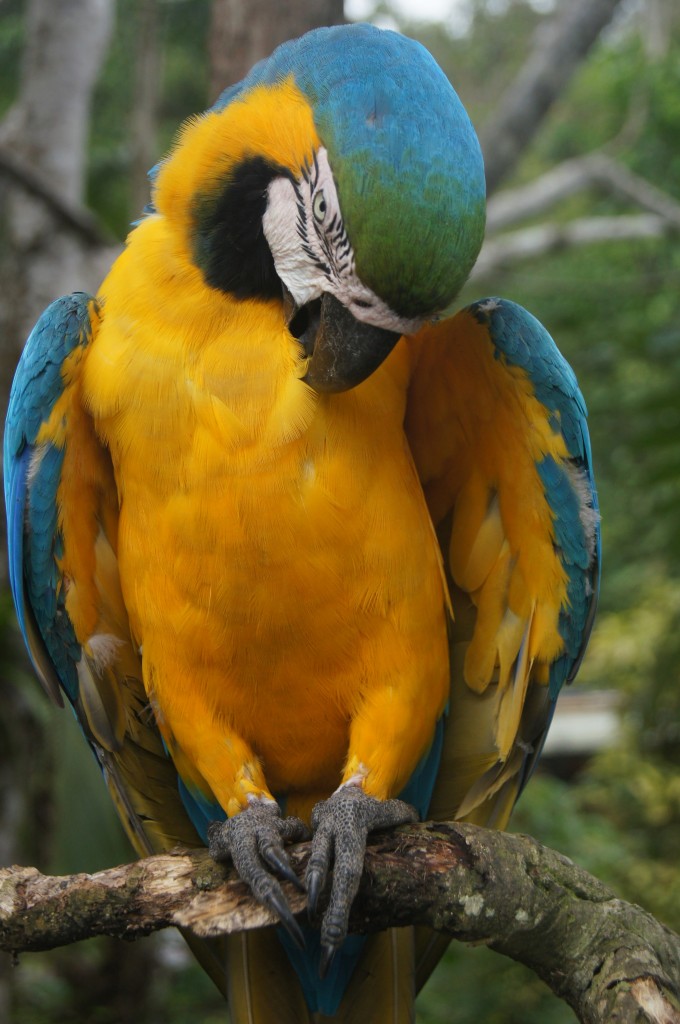
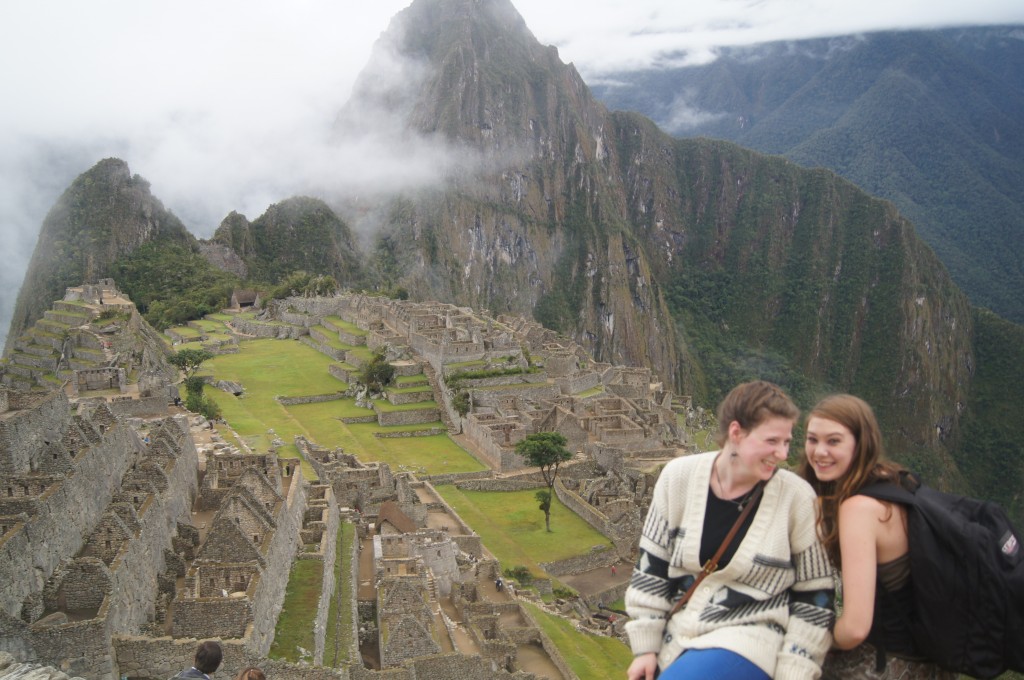
The two places I’ve been that are those huge “destinations,” tourist attractions that make people say “I can’t believe you’ve been there!” were a disappointment to me, though I don’t think that’s a universal experience. I had a really weird time at the Taj Mahal, and though it was beautiful, it wasn’t nearly as amazing as the Golden Temple of Amritsar. Machu Picchu was beautiful, but the highlight of that trip was a random tiny wildlife sanctuary where I spent a few hours playing with a capybara and a parrot. As I travel more I realize that I enjoy most those moments that are unplanned and under the radar.

Ghana

How has documenting your journey on your blog enhanced your writing? Will you or do you pursue writing in other formats?

My writing has definitely improved since I started putting real work into my blog. There’s nothing like having an audience, no matter how small, to make you care about what you’re saying and how you say it. But writing for the blog is so different from what I do in my personal writing. I’ve been studying travel writing, both the praxis and the theory, and taking that seriously has made a huge impact on how I look at writing, and where I want to go with it. I’m definitely going to pursue writing in a more formal way, both through school and outside of it, but right now I am still feeling things out.

Argentina Ghana collage

It’s a cliche of a question, but what do you want to do post-grad?

Ahh! Don’t ask me that! No, but really, I’m not sure. There’s a lot of different directions I’ve been considering, most of which involve travel or writing. But I’ve also considered service work for a while. It’s hard, because I miss my family and my friends back in the States but I know that those are the things I love. I’m torn.

Peru

Do you have any book recommendations for fellow travelers, students, or anyone with general wanderlust?

I definitely do! I have always been a voracious reader, and I’m always missing my library.  This is by no means an exhaustive list of travel writing, but it’s my current list of favorites.
I would say for the basics, travel authors to check out: Bruce Chatwin, Pico Iyer, and Paul Theroux.

  • Bruce Chatwin, What Am I Doing Here?
  • Bruce Chatwin, In Patagonia
  • Pico Iyer, “Why We Travel” (essay)
  • Alain de Botton, The Art of Travel
  • Gregory David Roberts, Shantaram
  • Robert M. Pirsig, Zen and the Art of Motorcycle Maintenance: An Inquiry into Values

There is a whole world of travel literature out there—go explore it!

Thank you, Haley! I loved reading about your travels, and those photos are absolutely gorgeous. Readers, if you agree, let Haley know in the comments!

Why don't you stick around?

Tweet This

The “Lucky” Ones – An interview with personal finance whiz Sarah Greesonbach

Time for another edition of The “Lucky” Ones series, and you know what that means—it’s almost-but-not-quite the weekend! Last night was the Mobbies awards, and I had an awesome time meeting fellow bloggers and attempting to identify them based on my memory of their Twitter pictures. I also maaaaybe have good news to report back (spoiler alert: I WON!!), but I’ll save it for the recap that will come this weekend. Right now, I’ve got an excellent interview lined up. Meet personal finance blogger Sarah Greesonbach!

It should be noted that Sarah Greesonbach isn’t just a personal finance blogger. She also writes about life, love, careers, and design, among other things. But it’s her passion for smart money managing that sets her apart. Whether doling out advice on surviving unemployment or drinking on the cheap at Starbucks, Sarah’s expert tips make even the most adverse-to-budgeting willing to reconsider the daily to-go latte.

Before blogging, Sarah was an English teacher, and she’s currently pursuing ventures in young adult fiction. By day, she works as a quality of life support liaison for military families and finds just enough spare time in her busy schedule to read, exercise, and experiment with slow-cooking. 


And here she is!

Finance can be a very unsexy topic. How did your finance blogging get its start, and how do you keep the content fresh and relatable?

This is tricky, because some would argue that there’s no way for personal finance to be fresh and relatable because the basics are so basic: spend less, earn more. And the numbers involved could keep things pretty dry. But that’s kind of like saying we should stop talking about health because we all know about exercising and eating right. That doesn’t make it any easier!

I got started because I found myself with a lot of opinions and questions and I needed an outlet for it. There are so many permutations and perspectives of life and finance because everything is new the first time you experience it for yourself. So while I could read a book about a person clawing their way out of debt, I could also read a blog about it and write one of my own and all three would be original stories.

What keeps my content fresh and hopefully relatable is the attempt share my own personal story of debt, career, and relationships to make sure I’m not making any stupid mistakes.

Would you mind sharing some of your own financial ups and downs? How did they affect you on a more personal level?

I have been very, very lucky to have not felt the consequence of most of my bad decisions. I have a student loan and a car loan that I wish I had put more thought into, but I have also had gainful employment to pay for these things without severe financial discomfort.

The ups and downs (and the personal realizations) have been more about realizing the freedom I am missing out on by having these loans. For example, did you know that if you don’t have expenses you don’t need to earn an income? Like… if you had no car loan, student loan, rent bill, or property to insure, you could literally travel the world and freelance on a comparatively tiny sum of money? My college self did not know that, and so my late-20s self cannot do that. A good lesson to learn. If you want any kind of freedom, pay attention to your money.

Have you had to make any sacrifices along the way? Why is it important for anyone to be willing to do so?

I struggle with some serious workaholic/OCD problems, so if anything the only thing that feels like a sacrifice is to not be working, cleaning, or doing something productive. In that sense, I have made sacrifices in limiting the amount of work to do for my health. To stop working, put down the computer and relax and destress is something I struggle with (and fail with) daily, but I am getting better about it.

Apparently human beings were made to enjoy being alive, not work themselves to death. Who knew? And it stinks but it is so important to reach that breaking point where you find out what is too much — it helps you to realign your priorities and make sure you are working on the things that matter. For example: a perfectly-in-order bathroom and clean laundry? Not more important than spooning my husband.

Is achieving financial stability a matter of trial and error, or are there any fail-proof ways to lead a comfortable life?

I would like to think that the whole of society is accruing more and more information every century and that that information will be effectively organized and stored and lead to never making mistakes ever again…but yeah, that’s not happening. So it will always be a slightly educated trial and error. But the trick is that you can decide to be comfortable in the face of trial and error, it is a matter of what Rainer Maria Rilke says about “loving the unresolved question itself”. Because if you can be happy while you’re trying to figure things out, figuring things out will be the icing on the cake.

What are some of the most common indulgences you see other people buy into?

Stuff. Just stuff. We downgraded from a 4-bedroom house to a 2-bedroom apartment and I can’t even remember all the crap we used to own that we now make do without. I’m sure when we have kids we’ll need more, but it’s so refreshing to go home and just see things I need or want — no wondering where to put something or moving things to get to another thing. It also saves us money to not be constantly shopping for things to cover our home space with. Our decor isn’t utilitarian, by any stretch, but we’re slowly swapping out the unnecessities for necessities and really enjoying the process. It also takes me about two hours to do all of our laundry with a half-size washing machine. That makes me very happy.

What’s the best thing a young professional new to the working world can do for themselves in terms of money and establishing independence?

I failed financially for a long time because my goals were so unspecific. Even though I heard the “save, save, save” motto from my parents and friends, it never seemed real to me so I never really saved. But there are two quick ways to start caring a lot about money:

1 – Add up how much you have made in the past 3 years and compare it to your savings account. For example, as a teacher I made a little over a 100G in 2-3 years. It’s easy to think about blowing $50 on dinner or a few hundred on groceries, but when you look back on three years and say one hundred thousand dollars passed through my hands, and I have nothing to show for it, finances get really real really quickly.

2 – Set your first starter-goal to save up two pay checks. This is such a huge freedom-thing. No one should feel trapped in a job or so stressed about being fired or laid off that they have stress dreams. Find the number it would take for you and your spouse to leisurely job hunt for a month and save that amount. The day that we officially saved enough money to cover one paycheck was very emotional for me. The thought that I could get fired or laid off and — while it would suck and be stressful — we would literally be able to pay our bills and have food for a few weeks was an incredible feeling (and seems so simple and obvious now!).

You also blog on a number of other topics, like careers, relationships, and design. Explain your passion for these and how they all tie in together in your life and blog.

My guiding light has always been the hope that someone else out there has the same questions I have. Why some things are so easy for other people but so hard for me, or vice versa. So when it comes to ideas for writing, it’s a matter of what’s been on my mind lately – making friends and being a friend, having a successful career and choosing a professional direction, and then sometimes just struggles with blog design and social media. Even though these are random bits of life, the thing they have in common is me experiencing them and wondering about them.

How do you stay motivated to keep writing constantly on top of a demanding day job?

I am motivated by my desire to create meaningful and useful work.

After college, I went through a very long dry spell of putting everything I have into my career, leaving very little for myself or anything creative. So when my career as a teacher turned out to be toxic for me, it was a huge let down and I struggled for a long time to get back to feeling like myself.

Writing has been the only constant for me. When things were good or when things were bad, in the back of my mind I could hear all the professors and supportive people I’ve known saying write, write, write. And it’s true. A crappy poem or an illogical paragraph is embarrassing, but it’s something you have created and put into the world. Not to get all High Fidelity on you, but deciding to have a voice and be a part of the creative output is something I am very proud of and that I try to remind myself of daily. Now, hopefully after a while it will be good stuff you’re putting out. But even if it’s not, at the end of your work day you can look back and say I birthed that and it is mine. 

So, when I get home from a long day and a long commute of working for someone else, it’s a life-affirming and energizing practice to put my time into something that is for me and my loved ones. And it is a kind of stress release, too: when I get down about people who are having (what appears to be) crazier adventures than mine or making tons more money, I am able to have a certain amount of pride that I created something and that I am doing something special to me, too.

Describe your path to reaching your dream job. How can others do the same?

You would think it would be as simple as finding out what you like to do and finding a job that matches that description, but I learned the hard way that you won’t like doing anything very long if it is with the wrong people. So, my goal in life is to find my people—where are the people I want to be (and be with) hanging out and interacting? As a teacher, I was doing what I loved (talking about English and explaining things) but the people I was with all day hated English. It broke me down. So I am looking for that perfect combination of words and complementary people.

The best advice that has come my way was over on Brazen Life a few weeks ago where a writer suggested that finding the perfect job is much like finding the perfect spouse. And it makes so much sense — jobs are almost as different as people, so how could you possibly know anything about your dream job until you find it (or create it). So the way to be successful is to find a job that you share interests with and try it out. I think it is very common for the new generation to job hop 3-5 times before finding the right fit.

What do you love most about what you do?

After 28 years of living, all I know about myself is that I like communicating ideas through writing. Sometimes that’s personal finance writing, and sometimes it’s as simple as crafting the perfect (and I mean perfect!) email! So, in my current job I get to do a lot of emailing and coordinating, and that is very satisfying to me.

Are there any books you’d recommend to anyone looking for a way to improve their financial destiny?

How’s this for being cheeky: any book at all. Read instead of going out to dinner. Read instead of going shopping for fun. Read instead of paying $10 on a movie ticket, then talk to your friends about it over tea in your own house. This will improve your spiritual, emotional, and psychological destiny, and the savings will help with your finances, too.


Sarah, you rock! Thanks so much for being a part of The “Lucky” Ones series—you’ve got a great attitude. Like what Sarah has to say? Please let her know in the comments!