The “Lucky” Ones – An interview with budding country music star Rachel Rhodes

This week’s interviewee was suggested to me by the lovely miss Rachel over at Existation. I’m so glad Rachel introduced me to Rachel. (That’s a lot of Rachels.) You’ll see why—read on to hear her story.
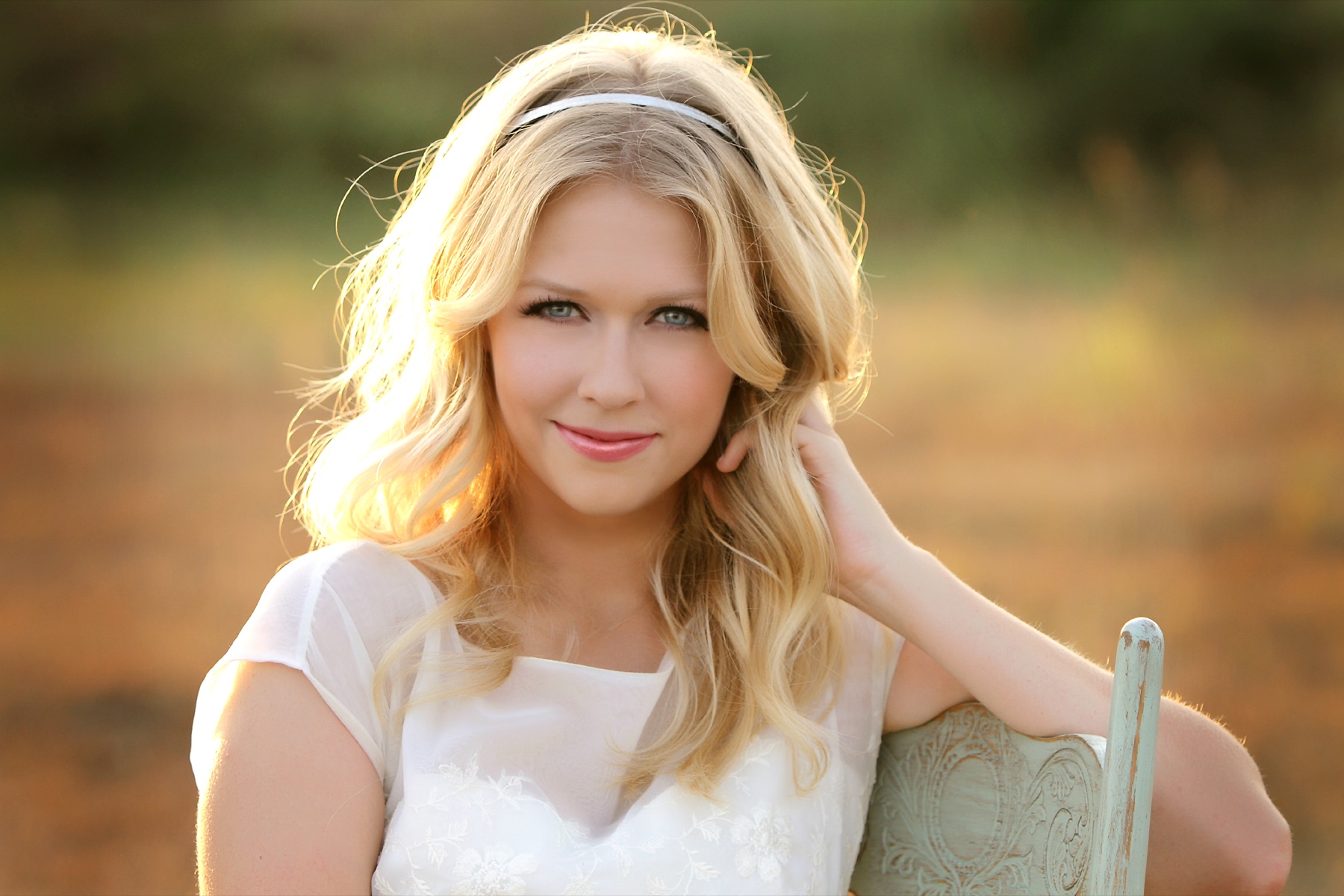
Rachel Rhodes

Rachel Rhodes does nothing halfway when it comes to pursuing her dreams. While the country music artist may seem like a Nashville native—what with a hot off the press Music Row-inspired EP under her belt and all—she’s actually a Midwestern small town girl. Growing up in northwest Iowa, Rachel trained as a classical singer, performing in operas both nationally and internationally. While she loved the art of operatic singing, it was country music that her heart gravitated toward most. So, wasting no time, Rachel packed up and moved to Nashville with her dog Dolly in tow. Within just a year of relocating, the 24-year-old wrote and recorded her debut EP alongside a notable producer and several talented musicians. Her labor of love, Heartland, was released just last month.

Aside from her passions for singing and songwriting, Rachel also plays the piano (and, as she modestly puts it, “a really terrible attempt” at guitar). She loves reading, bargain shopping, and exploring her new town. You can find Rachel and her music here, as well as on Facebook and Twitter.

Welcome, Rachel!

Where and when was your first public performance? Describe what that was like.

My first public performance was as a kindergartener, playing Gretl (the smallest girl) in The Sound of Music. I started out performing in musicals and choirs, because that was what was available. But I remember begging my parents to let me go to a music camp when I was a high school freshman, and they were shocked I had any interest. They actually kind of tried to persuade me out of it! And when I finally got to go, I was hooked on singing. It became pretty much my only interest.

When did you decide you wanted to pursue music as a career? Was your family supportive?

Honestly, I decided right away. I had never felt so passionate about something, and I’d never had something that made me stand out as talented. I was hooked immediately, and because I knew the music business was a one-in-a-million kind of dream career, I started as soon as possible to try and make it happen for me.

You started out as a classically trained operatic singer. What made you decide to go back to country music, and how did that classical experience prepare you for becoming a country singer and performer?

Sometimes people will ask me if I regret pursuing opera, now that I’m loving life in country music. The reality is that classical training teaches the building blocks of vocal production–exactly what is happening inside your body to make certain sounds. I’m so glad I got the opportunity to learn those lessons, because hopefully it will help me keep my voice healthy for the long run.

I chose to go back toward country because it felt like home. I’d stayed away from it for so long because I wanted to be different, and opera was about as different from my hometown roots as I could possibly get. And of course, once I did it, I really did love it. But when you’re an opera singer, you’re always going to be singing music that was written by someone else, and once I started writing my own music, I just couldn’t imagine going back.
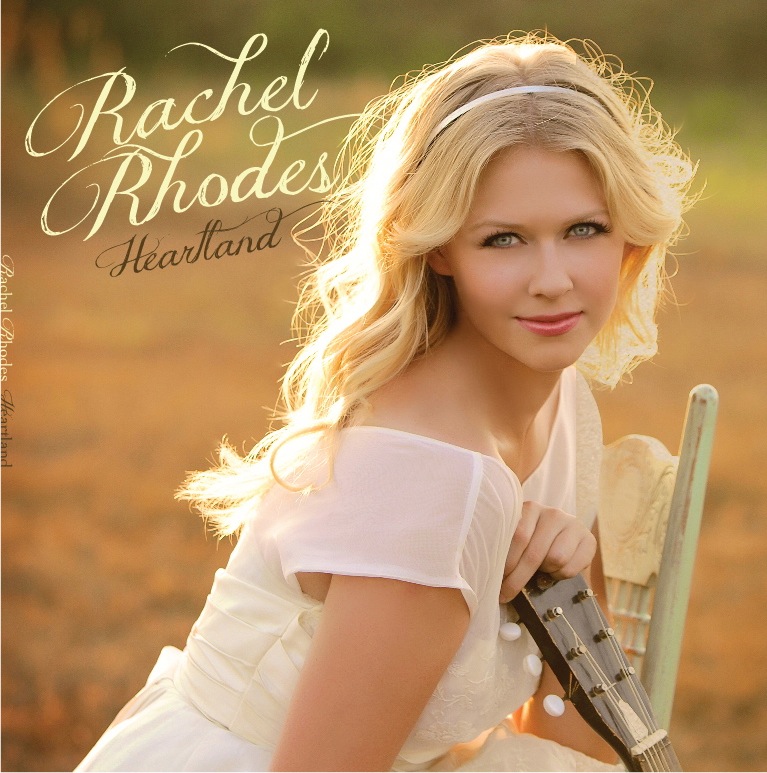
album cover

What has living in Nashville been like since you moved? Has any part of the transition been difficult or unexpected?

I moved to Nashville with no furniture—just my dog and an air mattress. So the first month was pretty bare bones, but eventually the furniture came! Even though I was basically sleeping on the floor, I knew immediately that Nashville was where I was supposed to be. I LOVE this city! The thing about Nashville is that it’s a big city with so much to offer, but it also has a very small town feel to it. You’re constantly running into people you know, and everyone is so friendly! I’d actually never been to Nashville in my life before the day I showed up here, but it couldn’t be a more perfect fit. Guess I got lucky!

I’d imagine recording your first EP would be surreal. Can you explain what that process was like—both in terms of recording logistics and just the overall emotional, learning process?

It definitely was an interesting experience and process. At the beginning, it was terrifying to hand over any control to my producer, because when I’d written these songs, they sounded a certain way in my head, and I was SO scared they would end up nothing like that. My amazing producer, Eric Arjes, lovingly referred to me as a total control freak, but I was so blessed to work with a producer who understood exactly what my vision was for the album and then made it a reality. We had a blast in the studio and are so happy with the final product. Our goal was to make something that could compete (or at least not sound out of place) next to artists who spend millions recording a record. Our budget was TINY, but with a little bit of luck, we had A-list players agreeing to contribute to the album just because they believed in the music, and because of that, the album sounds like we spent WAY more than we did. I told you I love bargain shopping!

As a relative newcomer to the scene, what’s your take on the state of the music industry? Do you worry about potentially being taken advantage of as an artist?

You can only be taken advantage of if you allow it to happen. I think trust is something earned and built, and I also think it’s so important to educate yourself. Have trusted lawyers look over documents before you sign anything, and always go with your gut! Intuition is a very valuable tool, especially in this industry.

It’s hard even for established musicians to make a living off their art. How do you get by? Like so many others, do you also have a “day job”?

I definitely, definitely have a day job. Especially during the “making the album” phase (which was the busiest, most stressful time), I was always balancing my day job and my music. That being said, when I first moved here, I was offered a position that could have quickly grown into a full-time career with benefits and stability, and I didn’t think twice about turning it down. I know it sounds crazy, but I knew it would have taken away from what I came here to do, which was to make music and build a career doing what I love! And because of the opportunities and relationships that grew from my current (much less prestigious) day job, I was able to record an album that I’m so proud of. I can almost positively say that I would be nowhere near an album release if I had accepted that first job.
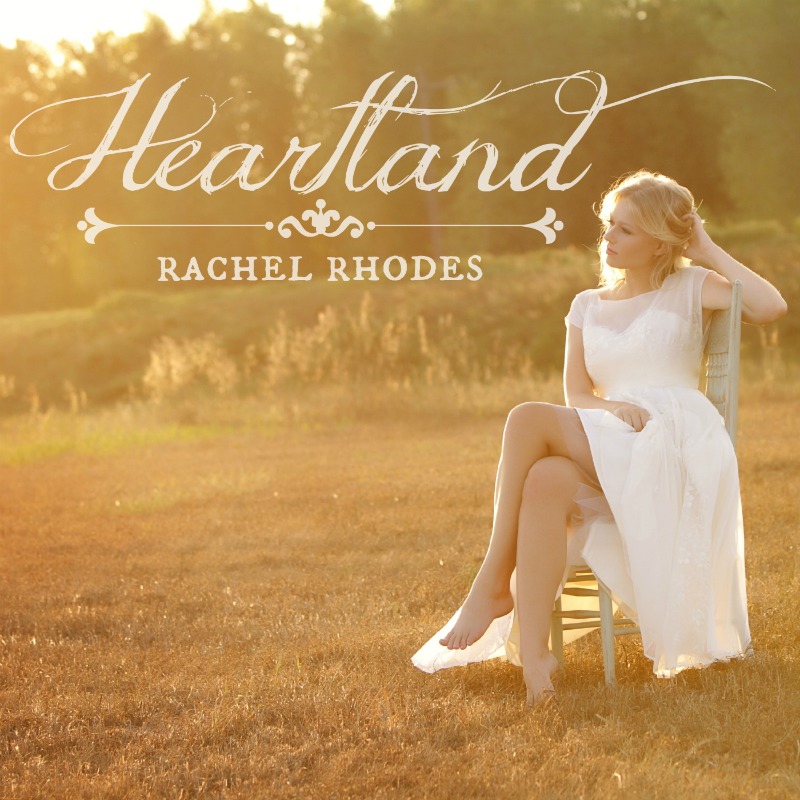
single

There’s no questioning your talent. But do you ever doubt pursuing a musical path? Will you always be a songwriter, even if for nothing other than the pure joy of it?

Nope! Honestly, there have been times that I WISHED I doubted pursuing a musical path, but it’s been tunnel vision all the way. I find it so extremely difficult to focus on things I’m not passionate about, and music has always been #1. I don’t think I could live a fully happy life pursuing any other career path.

What are some of your all-time favorite albums? Favorite books?

Well, I’ve always been a book worm. I will read almost anything, but my favorites are either Jane Austen novels, The Chronicles of Narnia by C.S. Lewis (childhood memories) or… Harry Potter. I’m a huuuuge Harry Potter nerd.

Musically, my taste is really eclectic. I listen to a lot of country music, and my favorite classical composer is Richard Strauss, but usually I’m listening to Lightning 100 Radio—lots of indie musicians. I also love Coldplay and always jam to Kanye West in the shower.

Has luck or persistence brought you to where you are now? Which do you think plays a bigger role in success?

Absolutely persistence! I can say without a doubt that I’ve never worked harder for anything than I have for this album. And there are so many behind-the-scenes type of things that went into it, which were things I’d never even thought about before. For example: Designing a website, designing album art, hiring studio musicians, choosing people to produce, mix and master the album, handling financial and legal aspects of creating a record, marketing, advertising, etc. It has been crazy! I’ve been so lucky to discover that I love the business and marketing aspects of being a musician as much as I enjoy the actual music-making.

I think we always get upset when things we plan for ourselves don’t work out. So when the original plans I’d carefully laid out for my life weren’t making me happy anymore, I was so frustrated and confused, but I knew there had to be a reason why. And when I got to Nashville, and it felt like home, and the album came together in less than six months due to the generosity and kindness of complete strangers and their belief in my music, that was a huge sign that changing the course of my entire life had absolutely been the right decision. I am so happy to have the opportunity to pursue my one-in-a-million dream, and I can’t wait to see what’s next!
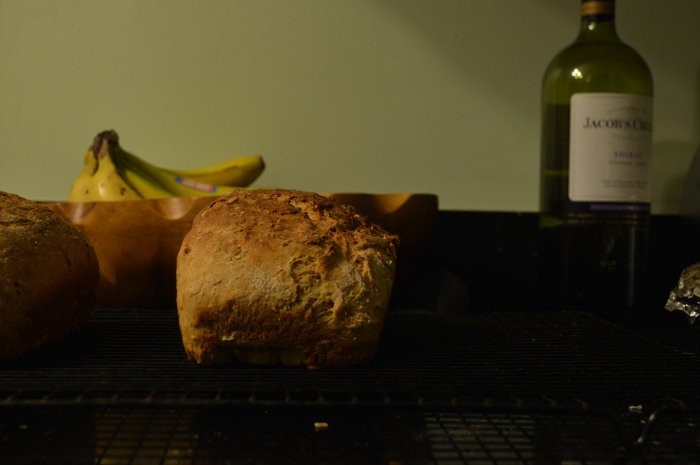
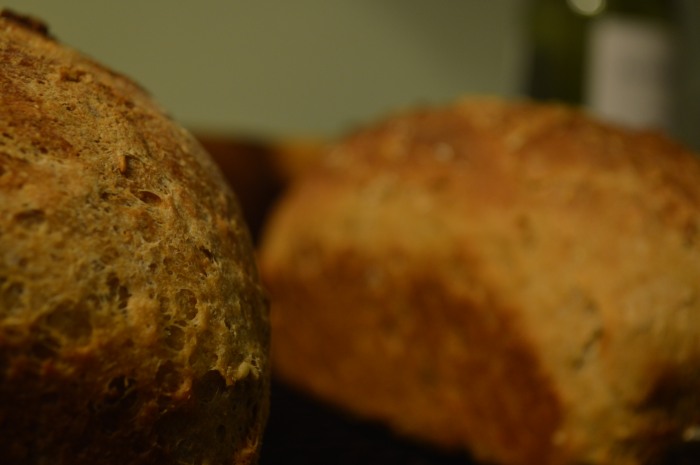
Close-ups & odd angles

Ever since I got my new camera, I’ve taken tons of photos—including, as you can tell, some narcissistic self-portraits! I’m in love with my Nikon, and yet most of these photos haven’t been worthy of keeping (let alone sharing with you) because they were less than spectacular. But that’s the beauty of digital—I’m allowed to suck at it until I don’t anymore. I always aim to get the perfect shot, which means I strive for good lighting and angles so I don’t have to do much (if any) editing post-production. Often, I don’t quite hit that mark, so I’ll take a few more pictures until I do. My patience is always rewarded. In just a couple of short months, I’ve learned a lot about the technical elements of photography that used to intimidate me.

In addition to my occasional photography-themed posts, I’m starting a regular end-of-the-month photo series featuring my best shots to show you what I’ve been up to. Since most of the pictures below are from January, we can kind of pretend I started this new series at the beginning of the year. I’ll get on schedule for February’s edition next week. (And then, thank God, we can get on with March already!)

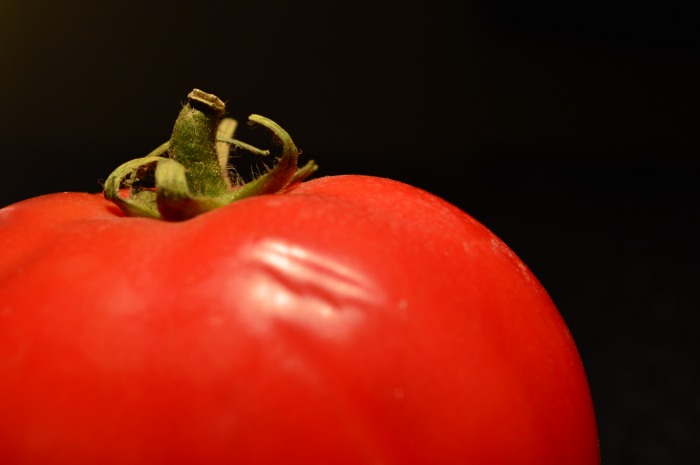
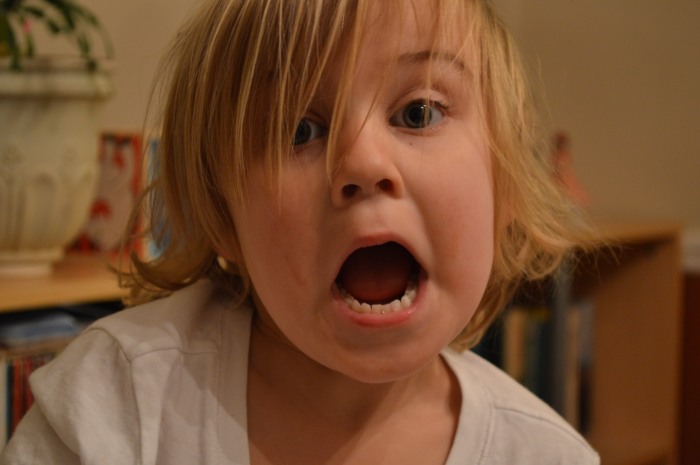
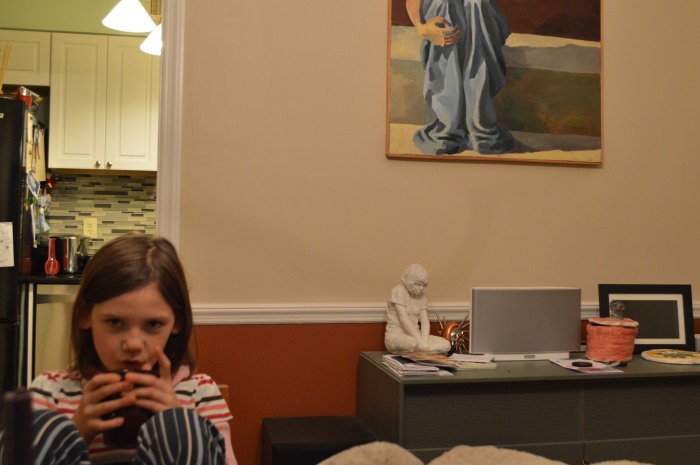
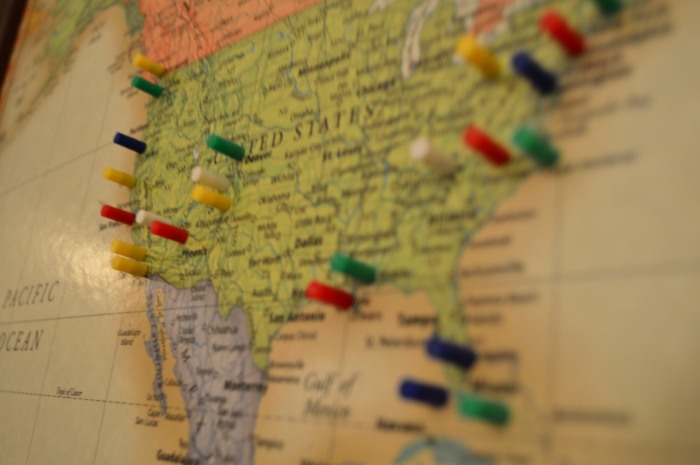
The collection of photos below is from the past several weeks and focuses on odd angles or unique perspectives. Many of them are close-ups (as you can tell, I’ve kind of gotten into food photography). Others are portraits—I love how, if you look closely, the fifth photo actually has three little girls with their knees drawn up in it. There’s also an unintentional color scheme in this selection. Lots of reds and greens, as well as black and brown.

P.S. If you click on the first photo, you can click through a lovely slideshow of these images slightly enlarged.

Why don't you stick around?

Tweet This

Interweb Finds: Words of the wise, abandoned Italian villas & more

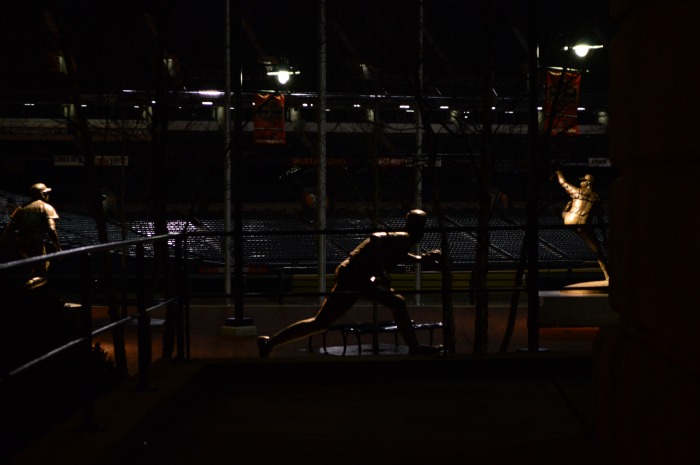
camden yards

Last weekend, John and I were out and ended up walking past Camden Yards, home of the Baltimore Orioles. It was cool seeing the stadium mostly dark with these ghostly statues illuminated only dimly in the cold winter night. I’m so ready for baseball season, if only because I cannot wait for warmer weather to come our way. Baseball means springtime, baby.

While I refrain from going as far as to count down the days until then, you do yourself a favor and check out these links from the web:

Ten-four. Listen to the conversations of police radio scanner feeds in different U.S. cities. (It was—surprisingly—a slow afternoon when I tuned into the Baltimore edition yesterday, but the day was young.)

These photographs by Paul Schneggenburger reveal what sleeping couples look like throughout the night using long exposure, which blurs the images together, illustrating the patterns of togetherness and separation between the couples.

Sometimes, I’ll read a blog post by an extremely talented and popular blogger, then click away from the supposedly motivational article feeling like crap about myself, rather than inspired like the writer intended. The message behind this post at Roots of She spoke to me: Just because someone’s been deemed a guru doesn’t mean their message is for you, especially if it makes you feel like shit. (They don’t use the word “shit,” but you get the idea.)

In a particularly literary mood? Here’s a list of 15 essays by female writers everyone should read. (Cheryl Strayed’s “Heroin/e” is one of my recent favorites.)

In case I stumble upon a large and unexpected inheritance, I’ve bookmarked this site, featuring images of gorgeous abandoned Italian villas, so I remember what to spend said inheritance on. All these architectural works of art need is a bit of cleaning up, electricity, plumbing, and a total restoration job, and they’re ready for me to move right in.

This is what happens when incredibly stupid people are given responsibilities.

From Brain Pickings, a glance at the book How to Think More About Sex. At once analytical and emotional. (And c’mon, it’s about sex):

Without sex, we would be dangerously invulnerable. We might believe we were not ridiculous. We wouldn’t know rejection and humiliation so intimately.


That’s all for this week. Keep the conversation going with me over on Facebook or Twitter. Hope you had a great weekend!

Why don't you stick around?

Tweet This

On youth, bubblegum pop, and survival

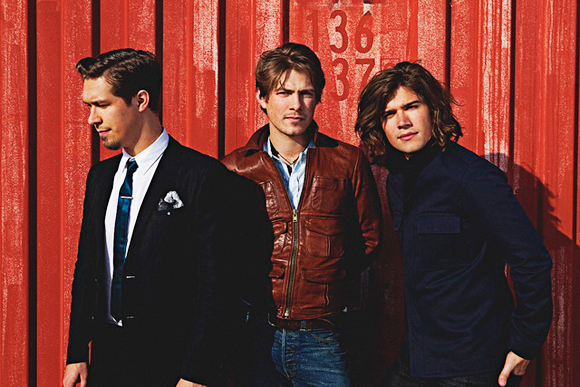
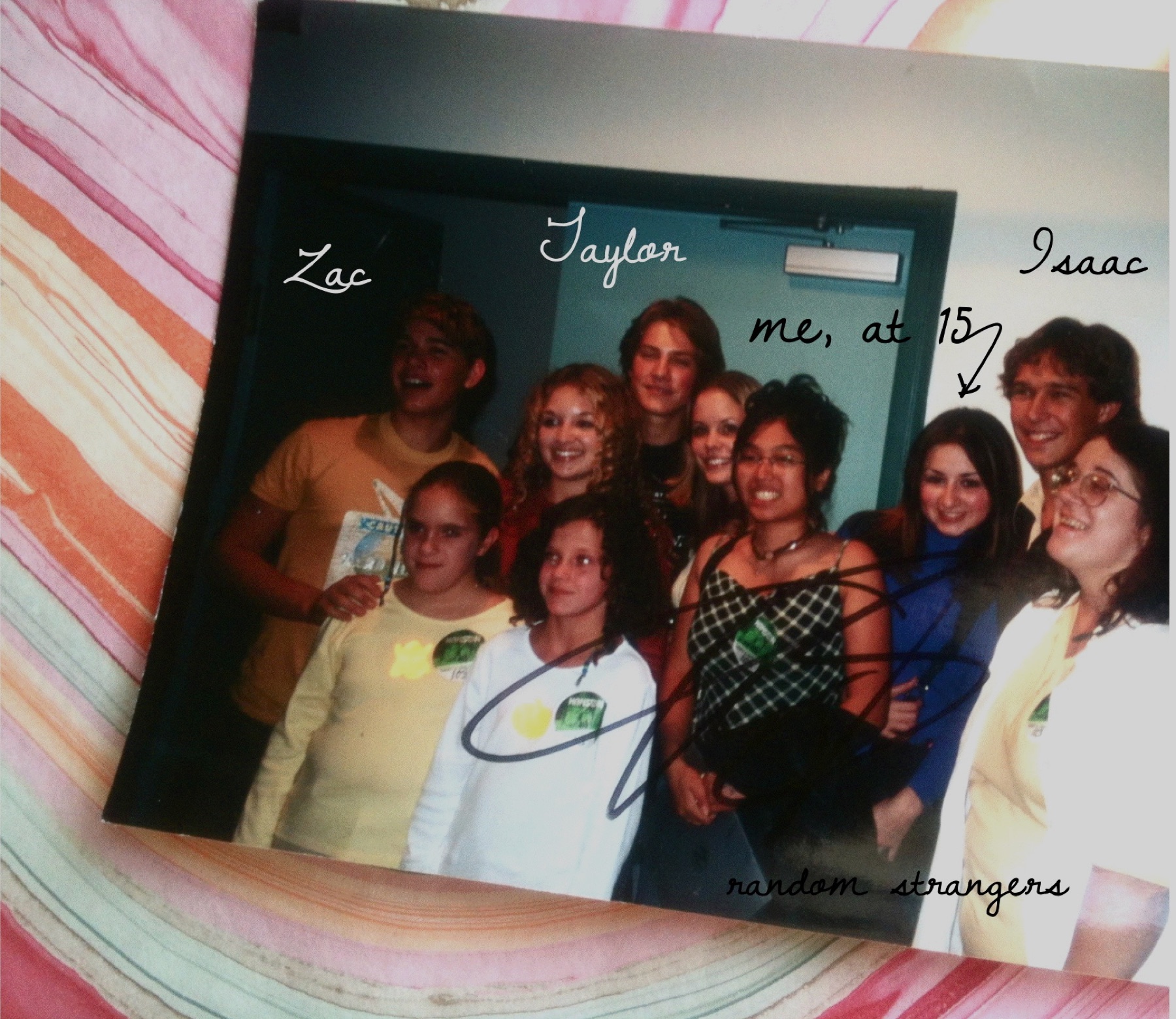
In one of last month’s Interweb Finds posts, I linked to a gorgeous Apartment Therapy house tour and casually mentioned that the woman behind the design would be a guest writer here at Witty Title Here. Though the bold graphics and covetable Chesterfield in her bedroom are indeed lovely (we’ll ignore the fact that referring to her bedroom was awkward at best on my part), Lauren isn’t here to talk design—rather, teenage obsession and survival. If you wanted this to be a Valentine’s Day-themed post, go listen to Hanson’s entire Underneath album and cry tears of joy. Bam: Hallmark holiday relevance.

guest post serieshanson

Everything will be better when is a sentence that doesn’t even need finishing, a fragment complete unto itself. Because no matter what follows, it doesn’t become complete. The add-on is just a placeholder, biding time until the next when that will make everything better.

Ultimately, the everything will be better whens boil down to survival. Lord, let me get through this mess so that I can reap the benefits of the future I’ve convinced myself will right my world.  And once that will is there, so too is the motivation to keep going.

To say my childhood was tumultuous would be an understatement, and even more than a package containing Super Mario Bros. and Duck Hunt, I’d have loved to tear open a box of stability and safety on Christmas morning. Even the luckiest among us have our struggles and our shames, some bit of ugliness coursing through us that we try to will away. What’s interesting is that everyone has their own antidote for these things. Everyone has different whens.

For a good four years of my adolescence, mine was Hanson.

I came from a broken family that communicated in shouts and stomps; the Hansons were a large, evangelical brood who sang grace before dinner in three part harmony.

I was stuck under the tyrannical rule of an abusive father; the Hansons were traveling the world and doing what they loved.

I was looking for Disney movie love (the only example I had available to me); fourteen-year-old Taylor had amassed enough life experience to feel comfortable pledging: have no fear when your tears are fallin’/ I will hear your spirit callin’/and I swear I’ll be there come what may.

(You guys, it’s like he knew me!)

I was thirteen and self-conscious about my looks; Taylor possessed enough androgynous beauty for the both of us.

It was perfect. And to escape my real world I retreated–with dogged determination–into a world where I would be swept away and rescued. Everything will be better when: I meet Taylor Hanson and we fall in love. Right? Of course.

A few years into the obsession, a Hanson tour was headed to Chicago. And so was the crazy train. I diligently hoarded a summer’s worth of baby-sitting cash and negotiated on the phone with ticket brokers. If Taylor was going to fall in love with me, it wasn’t going to be from seventeen rows away from the stage. Did I pay $300 for a second row center ticket to see Hanson at the Chicago Theater? Reader, I did. And luckily I had a best friend who was bananas enough to do the same.

There was a day of school skipped, ten hours of waiting outside a backstage door, dramatic tears (it is possible–possible–that I created a scene large enough for a crowd to gather around me, but that is a story unto itself), and finally, the obtaining of a meet-and-greet pass.

So I did it. I did the everything will be better when! Taylor and I totally met and shared a two-second handshake, but for some reason, we failed to fall in love. I know, I don’t get it either. But I still carried that torch for quite some time, believing our love would bloom when the timing was right. I needed to. I needed to believe that I could be enveloped into a large, happy family and that everything would be better. It got me through the days that felt like they couldn’t be gotten through.

hanson

Eventually, I grew out of my Hanson obsession and into others, and Taylor married a different brown-eyed brunette he met backstage at a show. Every now and then I’ll see an article about their nineteenth baby and swallow down the slightest twinge of jealousy at what could have been…

But it ended up just being a fantasy, and I never was rescued. I did get myself into a good college though, and never returned home after that. I did those things on my own, with nary a Hanson brother in sight. I picked up other antidotes along the way, and I continue to have my fair share of everything will be better whens (house, baby, mysterious and unexpected large inheritance, etc).

But more and more as I get older, I find myself sitting in my apartment, safe from my past, looking at the (non-Hanson) man that I love, and reminding myself that everything is better now. And I know that somehow, in some weird way, my Hanson love helped me get here.

lcb headshot
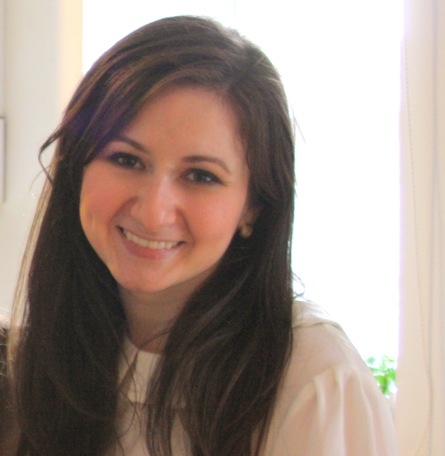
Lauren is a lifelong Chicagoan transitioning out of the stressful world of teaching and trying to figure out the rest from there. Her writing on rebuild (health & home) is a blend of experiences with anxiety and depression, adventures in home decorating, and using wellness and design to build the kind of life she’s tired of waiting for.

The worst that could happen

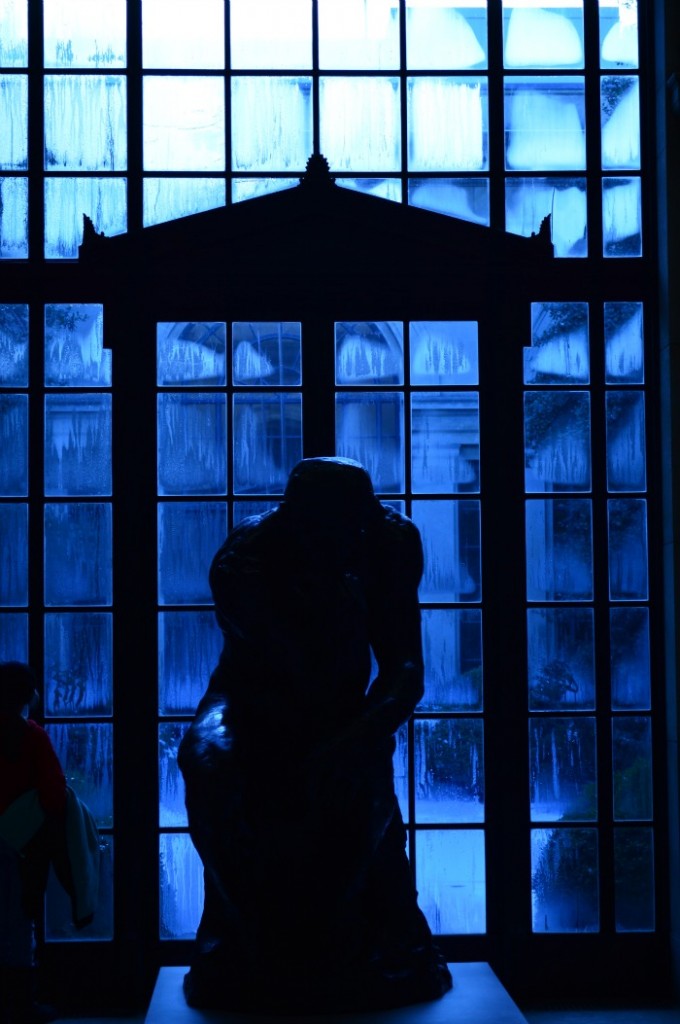
the thinker

I have what you might call an overactive imagination. As a writer, that can be helpful in coming up with ideas and tying correlating themes together. But sometimes, it can make for a lot of unnecessary anxiety.

Case in point: I go to the doctor’s office for a routine check-up. “No news is good news,” as they say, meaning if I don’t hear from them in a week or so, I’m not dying, or worse, pregnant. (Kidding.)

So when I miss a call from the doctor’s office with a voicemail saying to “please call them,” my brain goes into overdrive imagining all the possible ways I could be ill or dying. I call back within ten minutes, hands and voice shaking. But the doctor has left for the day. I’ll have to call back in the morning. So how do I spend my evening? Worrying incessantly, WebMD-ing that shit, and determining that it could very well be nothing, or, you know, cancer. The next morning rolls around. I call again. A cheery voice responds: “Oh, I’m sorry, honey, we called you by mistake. Didn’t mean to make you worry.”

Didn’t mean to make me worry. If only she knew.

Problem is, I have the tendency to imagine the worst-case scenario more often than I’d like to admit. It’s usually an involuntary process—I’m not even fully aware I’m doing it, much like how we’re wired when a violent or dramatic scene is playing in the background on TV, and we’re not paying attention. It’s when I’ve envisioned my car mid-air going off a bridge that I snap out of it and wonder, What in the hell is wrong with me? And then I go back to driving on autopilot.

No one who knows me would describe me as melodramatic. I’m calm and collected on the outside, and reasonable enough to know when I’m thinking ridiculous thoughts—but that doesn’t stop me from letting terrible things sometimes play out in my mind.

But other times, to change it up (and to counteract the negative vibes of the previous moment’s morbid daydream), I envision the best possible outcome. It’s less dramatic, but way more interesting. What if I live to be 100? What if things work out better than I expect them to? What if I’m really successful? What will happen then?

Maybe the worst thing that could happen is what follows when we let negative vibes thrive by feeding them with our overactive imaginations. The worst thing could be that we’re actually hindering our health, success, and happiness by letting our minds wander off to the dark place, rather than fostering optimism with the sunny alternative. Likewise, maybe the best thing that could happen is what results from saving our overactive imaginations’ resources for the things that fulfill, propel, and enrich us. Think of how much more productive we’d be.

So from now on, I’m going to work on not giving so much power to the dire what-ifs and morbid fantasies. From now on, I’m going to store that energy for something creative. In the meantime, I’m drinking to having survived the illness/death sentence that never existed in the first place—despite the mistaken phone call from the doctor—and the new lease on life I never lost. Now let’s go skydiving.

Why don't you stick around?

Tweet This

The “Lucky” Ones – An interview with book-loving librarian Shannon McNeill

Anyone who appreciates books and the people who write them will love this interview with someone whose job it is to share them. Librarian Shannon McNeill is here to give you a little insight as to what it’s like in her world of books in this week’s interview.

Shannon McNeill

Shannon McNeill had what Oprah calls an aha! moment. It happened like this: One day, she woke up and realized she wanted to be a librarian. But she started out as a teacher. After graduating college, Shannon taught preschool for a year, and later earned her certificate in English as a Foreign Language. With that, she spent a year in Greece and taught English—it was the best year of her life. It was after Shannon moved back home and spent three years teaching at a Montessori School when she had the realization that teaching wasn’t quite for her. When she decided to become a librarian, Shannon began volunteering at her local library, applied to get her Masters of Library and Information Science (MLIS), and landed a job almost immediately upon graduating.

Working as the Assistant Director in a small Pittsburgh library, Shannon maintains the book collection and purchases books for adults and children. She hosts and plans programs including children’s story times, the book club, and visits to local schools. This is clearly the fun part for her. The enthusiasm and energy Shannon brings to the job is infectious. You can find her on Twitter and at her blog, A Librarian’s Lists & Letters.

Welcome, Shannon!

Book lovers have this way of pinpointing exactly what it was that sparked an interest in reading—what was the catalyst for you?

I actually don’t remember a time in my life where I didn’t love books. My mother tells stories  of her walking me to the local library twice a day when I was younger. And though I don’t actually remember this happening, I vividly remember that library. I remember always reading and I kind of remember always knowing how to read. We always had books in our house, I always got books as presents, and the hardest decision growing up was choosing which book I was going to order from the Scholastic catalog on a very meager budget.

Did you always love spending time in the library growing up? What kinds of books and genres did you like to read?

I definitely loved spending time at the library when I was a very young girl. The first neighborhood I grew up in had a library just a block away from our house. But we moved when I was just about to start the first grade to a town without a library. I remember being crushed, but I learned to rely on my school library.

And when I was in middle and high school, I never used the library. I think it’s a time that most students fall out of the habit and I think something librarians are always trying to fix. In college, I only used the library for assignments, but I finally found my way back to libraries as a young adult. And when I did, it just fit.

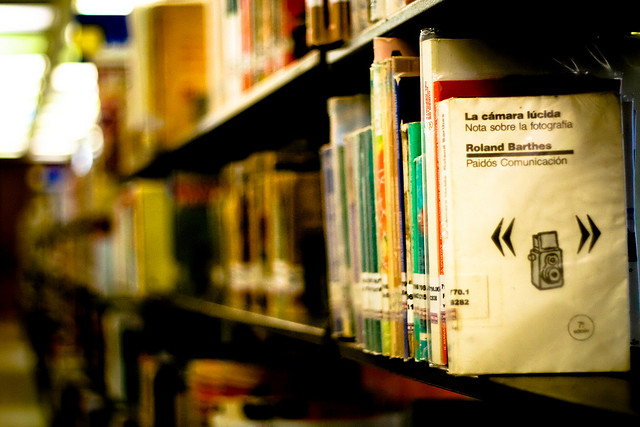
library

What is the library like where you work? Is it an integral part of the community, or is it something you have to actively work toward making sure it stays running?

My library is a medium-sized library in a suburb of Pittsburgh. Pittsburgh is a great place to be a librarian because we have a huge library system that allows all of these local neighborhood libraries to be connected through a consortium. You get the benefit of having a true community library that really allows you to become an important place in the community, but you get the benefit of a large system and endless books and resources.

Describe some of the day-to-day tasks you do as an Assistant Director. I’m particularly interested in the book purchasing process (how do you make your selections?) and program planning.

Because I work in a smaller library, my role as Assistant Director really means I do a little of everything. I host all of our story times, plan programs for children and adults, take care of tech questions, perform reader’s advisory and reference, and I share the ordering responsibilities with our Director.

In terms of making purchasing decisions, I always keep the patrons in mind. So much of what I order is best-selling material (authors like James Patterson and Janet Evanovich), but it’s also about finding interesting and informative material. One of my favorite things to do is find quirky reads, music, DVDs, etc. that I know other libraries might not have the budget to purchase. I’m always thinking about my own community first, but because we share materials with the greater Pittsburgh area, I find that material that has larger appeal is harder to find. It’s like a puzzle I’m creating and solving each month.

I don’t worry about censoring material because as long as I am following my library’s purchasing policies, the material that I buy will find its proper place within our collection. Instead, my biggest worry is always buget. Sometimes I want to buy ALL of the books, but have to scale back and weigh my priorities.

You seem to especially love planning programs for children. In what ways is interacting with these kids rewarding?

Well, I was a teacher for five years before I went back to school for my MLIS and became a librarian, so I have always enjoyed working with children. For me, the reward in working with children is just to see how excited they are about learning. Children just want soak up as much information as they can, and they have such a love of reading, it’s impossible not to find joy in hosting a storytime or other program.

Plus, how can you not love a bunch of preschoolers shouting your name and telling you how much they love the library? 

It may seem obvious to some, but why is instilling a love for reading in children so important? Have you witnessed any transformations (big or small) in the children you meet when they find a story that resonates with them?

Instilling a love of reading at an early age is a gateway to success. It gives children so much, including self-esteem and awareness. But really, it helps to make life-long learners. It’s the first step in showing children that they have a world of discovery out there and that they have the tools to figure it all out.

As for transformations, I think I see them every week. They are happening around us all of the time, and I’m just thankful that I get to play a part in helping children learn. It never stops warming my heart to have a child come running to me to talk about their newest favorite book, or to tell me about their latest achievement, or to ask me to choose something special for them. Those are all little transformations and if we don’t pay attention to them, we miss out.

What is your take on the hard copy vs. digital book debate? Is there any right or wrong way to enjoy a good book? And does technology affect the library system negatively?

There is absolutely no wrong way to enjoy a good book. If you are reading something that makes you happy, no matter the format, that’s what matters. I want to help people discover the books that speak to them, and if they read them on an eReader or on paper, it doesn’t really matter. Sure, the world of publishing is changing, but if anything, I think it’s made libraries more relevant. Chances are your library has free eBooks for you to borrow and my library even offers digital subscriptions to magazines. We’re the place people go to for questions about iPads and Kindles and everything in between. Librarians are tech-savvy. We manage to be on top of trends and respectful of traditional methods, too. Really, I don’t think there is much in terms of technology that a good library couldn’t tackle and for those reasons, I don’t think we’ll be disappearing into the dark anytime soon.

On a similar note, said e-readers, along with academic search engines, make it easy for readers and students to not have to make a trip to the library. Why is the brick-and-mortar “search engine” still needed?

The library is more than just a book depository. It houses informed professionals that can help locate things that even Google can’t manage to find. It’s a place where people can come for free education and entertainment. It’s a place where people go when they need someone to talk to. It’s a community center that hosts speakers and teaches skills. It’s a place to find employment help and someone to show you how to build a resume. It’s where you can send a fax, scan documents, and make copies all for very little money. It’s a place that lets you read newspapers and magazines for all day long for no cost. It’s a warm place to find shelter in the winter and a cool place to relax in the summer. It’s where anyone can go and not be judged for needing assistance. The library is more than just books and computers. It’s whatever is needed, for each unique person who walks in the door, each and every day.

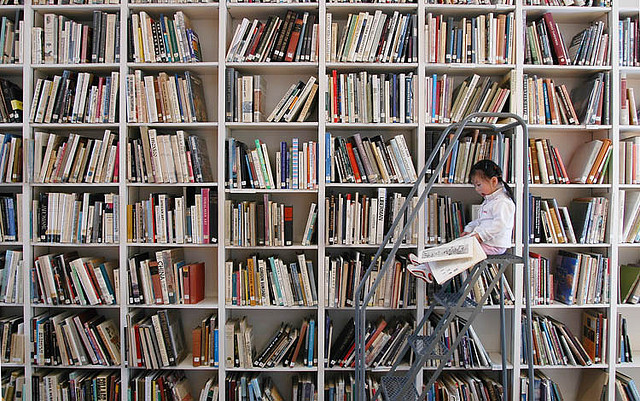
library

Clearly you love your job, but are there aspects of it that are tough? Monotonous?

Of course, just like any job librarians have their rough days. I do love my job very much, but sometimes I am so busy it’s hard to come up for air and breathe. It’s not always dealing with demanding or rude patrons. I’ve been yelled at, cursed at, and I’ve even had tennis balls thrown at me. And on those days, of course the job is tough. But more often than not, people are good, caring, and kind and that makes up for the small amount of people who are unreasonable or hurtful.

Would you say that library work is your calling? Would you ever want to pursue other paths?

I woke up one day and knew that I was meant to be a librarian. I was feeling lost and lonely in my life, and something had to change, but it took me awhile before I realized that librarian was a profession that I could actually do. And since then, I haven’t looked back. At this point in my life, I am absolutely certain, with every fiber of my being, that I am supposed to be a librarian. Will I think the same in ten years? I don’t really know. I’ve learned that life doesn’t always happen the way you think it will and to just accept the way it may twist and turn. I’m just thankful that I am happy being a librarian now.

I ask every interviewee this question, but it’s especially fitting for you: What books would you recommend to others?

Oh, I always find this so hard to answer. A librarian takes her recommendations very seriously and knows that each reader is different so there can be no blanket answer. I always write a list of my most favorite books I read each year on my blog, and I keep a pretty extensive Goodreads record of what I’m reading, too.

But if you really want to know, I’m recommending Where’d You Go, Bernadette by Maria Semple to just about everyone these days. It’s snarky, witty satire at its finest. But it also has depth and and heart. A fantastic mother-daughter coming-of-age tale that not enough people are reading.

And for children? One of my all-time favorites is A Sick Day for Amos McGee by Philip C. Stead. It’s a Newbery winner and just an adorable tale of a sick zoo keeper and his animal friends. I’m also a huge fan of Jon Klassen. I’d highly recommend anything he’s written and/or illustrated for any level.


Thanks so much for sharing your insight and expertise, Shannon! It’s encouraging to read about your thriving library and the kids who relish in it. Have a question or compliment for Shannon? Leave it in the comments! For more of The “Lucky” Ones interview series, click here.

photo credit: annais via photopin cc and Ozyman via photopin cc